- Planet Earth
- Climate change
Fires from March 7 airstrikes created a sulfur dioxide plume spanning 185,000 square miles.
 By
Sophie Berdugo
published
28 May 2026
in News
By
Sophie Berdugo
published
28 May 2026
in News
When you purchase through links on our site, we may earn an affiliate commission. Here’s how it works.
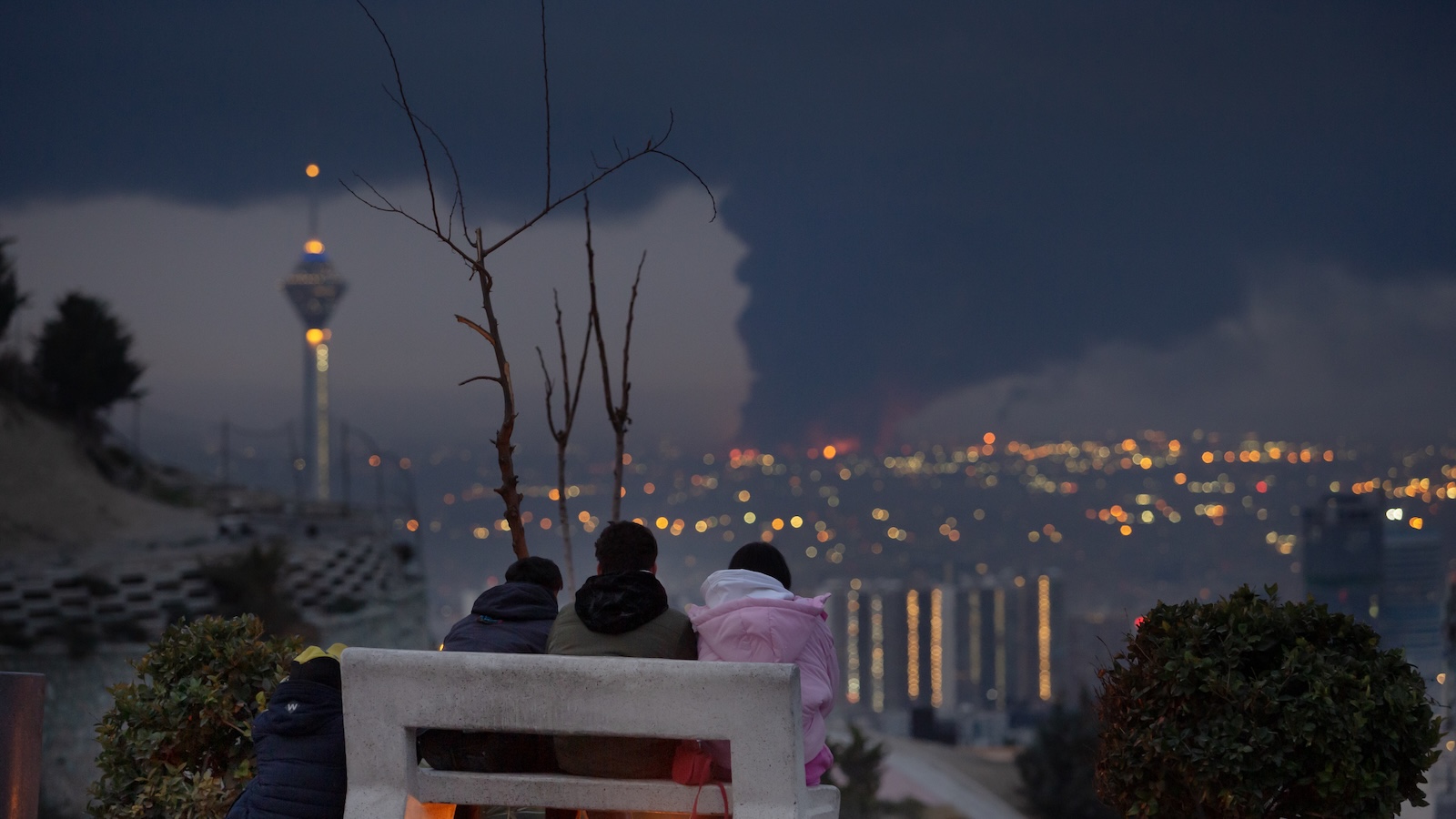 Pollutants released by the airstrikes mixed with precipitation to produce "black rain" loaded with toxic particles such as hydrocarbons.
(Image credit: Anadolu / Contributor via Getty images)
Pollutants released by the airstrikes mixed with precipitation to produce "black rain" loaded with toxic particles such as hydrocarbons.
(Image credit: Anadolu / Contributor via Getty images)
- Copy link
- X
A single day of attacks on four Iranian oil refineries produced as much sulfur dioxide (SO2) as a volcanic eruption, a new analysis finds.
Remote sensing from Chinese and European meteorological satellites has revealed that fires caused by Israeli airstrikes launched on Iranian refineries and storage facilities on March 7 emitted a total of around 33,000 tons (29,800 metric tons) of SO2 by March 8. The toxic gas cloud had traveled roughly 1,240 miles (2,000 kilometers) by March 9, reaching as far as East Asia, according to a study published Tuesday (May 26) in the journal Advances in Atmospheric Sciences.
You may like-
 Iran war has already released a staggering amount of CO2 — and the destruction of schools, homes and buildings is the biggest source
-
 'Iran's Maldives' could drown in oil due to spills from air strikes, satellites show
-
 Extreme blast of Arctic air from polar vortex paints a picturesque plume off Florida coast
- Iran war could push global food insecurity to record levels, leaving 363 million people hungry
- Climate wars are approaching — and they will redefine global conflict
- 'The push towards renewables is unstoppable because it's in a country's self-interest': Climate scientist Andy Reisinger on Trump, Iran, and the future of Earth
 Sophie BerdugoSocial Links NavigationStaff writer
Sophie is a U.K.-based staff writer at Live Science. She covers a wide range of topics, having previously reported on research spanning from bonobo communication to the first water in the universe. Her work has also appeared in outlets including New Scientist, The Observer and BBC Wildlife, and she was shortlisted for the Association of British Science Writers' 2025 "Newcomer of the Year" award for her freelance work at New Scientist. Before becoming a science journalist, she completed a doctorate in evolutionary anthropology from the University of Oxford, where she spent four years looking at why some chimps are better at using tools than others.
View MoreYou must confirm your public display name before commenting
Please logout and then login again, you will then be prompted to enter your display name.
Logout Read more
Rivers & Oceans
'Iran's Maldives' could drown in oil due to spills from air strikes, satellites show
Rivers & Oceans
Extreme blast of Arctic air from polar vortex paints a picturesque plume off Florida coast
SPONSORED_LABEL
SPONSORED_HEADLINE
SPONSORED_DISCLAIMER
SPONSORED_STRAPLINE
 Fossil Fuels
Our fossil fuel economy is a house of cards and Trump's war in Iran is about to topple it. The need for a clean energy transition has never been clearer.
Fossil Fuels
Our fossil fuel economy is a house of cards and Trump's war in Iran is about to topple it. The need for a clean energy transition has never been clearer.
 Planet Earth
Iran war could create a 'fertilizer shock' that impacts agriculture and raises food prices
SPONSORED_LABEL
SPONSORED_HEADLINE
SPONSORED_DISCLAIMER
SPONSORED_STRAPLINE
Latest in Climate change
Planet Earth
Iran war could create a 'fertilizer shock' that impacts agriculture and raises food prices
SPONSORED_LABEL
SPONSORED_HEADLINE
SPONSORED_DISCLAIMER
SPONSORED_STRAPLINE
Latest in Climate change
 Climate change
'The biggest El Niño event since the 1870s': 'Super' El Niño is now the most likely scenario by the end of this year — and the humanitarian cost could be huge
Climate change
'The biggest El Niño event since the 1870s': 'Super' El Niño is now the most likely scenario by the end of this year — and the humanitarian cost could be huge
 Climate change
Once-in-a-century 'super' El Niño in the cards as ocean temperatures reach near record highs in April
SPONSORED_LABEL
SPONSORED_HEADLINE
SPONSORED_DISCLAIMER
SPONSORED_STRAPLINE
Climate change
Once-in-a-century 'super' El Niño in the cards as ocean temperatures reach near record highs in April
SPONSORED_LABEL
SPONSORED_HEADLINE
SPONSORED_DISCLAIMER
SPONSORED_STRAPLINE
 Climate change
Microplastics absorb heat in the atmosphere and contribute to global warming — as if they weren't bad enough
Climate change
Microplastics absorb heat in the atmosphere and contribute to global warming — as if they weren't bad enough
 Climate change
Pollution may fuel depression, anxiety and other mental health problems, emerging research suggests
SPONSORED_LABEL
SPONSORED_HEADLINE
SPONSORED_DISCLAIMER
SPONSORED_STRAPLINE
Climate change
Pollution may fuel depression, anxiety and other mental health problems, emerging research suggests
SPONSORED_LABEL
SPONSORED_HEADLINE
SPONSORED_DISCLAIMER
SPONSORED_STRAPLINE