- Technology
- Artificial Intelligence
Researchers have found that introducing human-made data into AI training can help to prevent AI model collapse.
 By
Roland Moore-Colyer
published
21 May 2026
in News
By
Roland Moore-Colyer
published
21 May 2026
in News
When you purchase through links on our site, we may earn an affiliate commission. Here’s how it works.
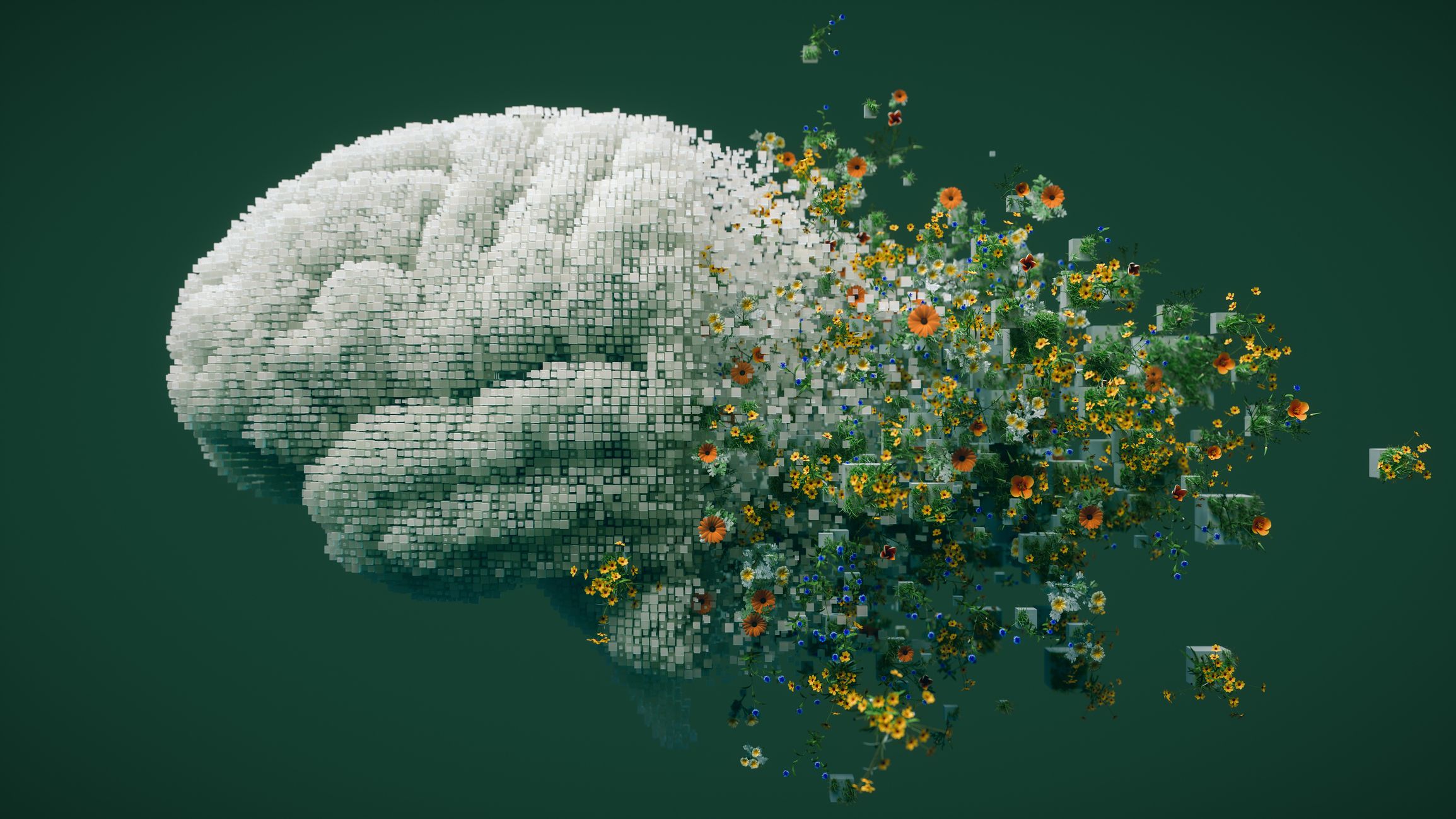 Adding an element of human touch could be the key to avoiding AI model collapse, new research finds.
(Image credit: Getty Images)
Adding an element of human touch could be the key to avoiding AI model collapse, new research finds.
(Image credit: Getty Images)
- Copy link
- X
While the evolution of artificial intelligence (AI) systems has shown no sign of slowing, there's a growing concern that large language models (LLMs) will soon run out of human-made data to ingest and learn from.
Once this happens, scientists say, AI models will increasingly rely on synthetic AI-made information, which will lead to an effect called "model collapse." This is where LLMs spout gibberish and the AI systems they underpin deliver inaccurate answers and hallucinate information to queries far more commonly than they do today.
You may like-
 'Not how you build a digital mind': How reasoning failures are preventing AI models from achieving human-level intelligence
-
 Can AI really simulate human thinking? Research casts doubt on an influential study, suggesting an advanced model was just really good at memorizing patterns.
-
 AI hallucinations work both ways, study shows — using chatbots can amplify and reinforce our own delusions
Countering collapse
Sign up for the Live Science daily newsletter nowContact me with news and offers from other Future brandsReceive email from us on behalf of our trusted partners or sponsorsBy submitting your information you agree to the Terms & Conditions and Privacy Policy and are aged 16 or over. What to read next-
 AI-written code can beat humans at biomedical analysis, some studies find. What does that mean for the field?
-
 AI self-replication hacks 'no longer purely theoretical,' study finds — but experts say it's too soon to panic
-
 AI for breakup texts? How 'sycophantic' chatbots are messing with our ability to handle difficult social situations.
- AI for breakup texts? How 'sycophantic' chatbots are messing with our ability to handle difficult social situations
- Scientists build specialist 'AGI processor' that they believe will power the next wave of AI agents
- The more advanced AI models get, the better they are at deceiving us — they even know when they're being tested
Jangjoo, F., Di Sarra, G., Marsili, M., & Roudi, Y. (2026). Lost in Retraining: Closed-Loop learning and model collapse in exponential families. Physical Review Letters, 136(19). https://doi.org/10.1103/156q-3ngc
 Roland Moore-ColyerSocial Links Navigation
Roland Moore-Colyer is a freelance writer for Live Science and managing editor at consumer tech publication TechRadar, running the Mobile Computing vertical. At TechRadar, one of the U.K. and U.S.’ largest consumer technology websites, he focuses on smartphones and tablets. But beyond that, he taps into more than a decade of writing experience to bring people stories that cover electric vehicles (EVs), the evolution and practical use of artificial intelligence (AI), mixed reality products and use cases, and the evolution of computing both on a macro level and from a consumer angle.
View MoreYou must confirm your public display name before commenting
Please logout and then login again, you will then be prompted to enter your display name.
Logout Read more
Artificial Intelligence
'Not how you build a digital mind': How reasoning failures are preventing AI models from achieving human-level intelligence
Artificial Intelligence
Can AI really simulate human thinking? Research casts doubt on an influential study, suggesting an advanced model was just really good at memorizing patterns.
SPONSORED_LABEL
SPONSORED_HEADLINE
SPONSORED_DISCLAIMER
SPONSORED_STRAPLINE
Artificial Intelligence
AI hallucinations work both ways, study shows — using chatbots can amplify and reinforce our own delusions
Health
AI-written code can beat humans at biomedical analysis, some studies find. What does that mean for the field?
SPONSORED_LABEL
SPONSORED_HEADLINE
SPONSORED_DISCLAIMER
SPONSORED_STRAPLINE
Latest in Artificial Intelligence
Artificial Intelligence
Can AI really simulate human thinking? Research casts doubt on an influential study, suggesting an advanced model was just really good at memorizing patterns.
 Artificial Intelligence
AI chatbots are turbocharging violence against women and girls: We urgently need to regulate them
SPONSORED_LABEL
SPONSORED_HEADLINE
SPONSORED_DISCLAIMER
SPONSORED_STRAPLINE
Artificial Intelligence
AI self-replication hacks 'no longer purely theoretical,' study finds — but experts say it's too soon to panic
Artificial Intelligence
AI chatbots are turbocharging violence against women and girls: We urgently need to regulate them
SPONSORED_LABEL
SPONSORED_HEADLINE
SPONSORED_DISCLAIMER
SPONSORED_STRAPLINE
Artificial Intelligence
AI self-replication hacks 'no longer purely theoretical,' study finds — but experts say it's too soon to panic
 Artificial Intelligence
'Feuding tech bros' go head to head in legal showdown. But what does it mean for the future of AI?
SPONSORED_LABEL
SPONSORED_HEADLINE
SPONSORED_DISCLAIMER
SPONSORED_STRAPLINE
Artificial Intelligence
'Feuding tech bros' go head to head in legal showdown. But what does it mean for the future of AI?
SPONSORED_LABEL
SPONSORED_HEADLINE
SPONSORED_DISCLAIMER
SPONSORED_STRAPLINE