- Archaeology
Two skeletons found in an embrace next to a 13th-century Polish cathedral were both women, an ancient DNA analysis confirms, but their relationship remains a mystery.
 By
Sandee Oster
published
21 May 2026
in News
By
Sandee Oster
published
21 May 2026
in News
When you purchase through links on our site, we may earn an affiliate commission. Here’s how it works.
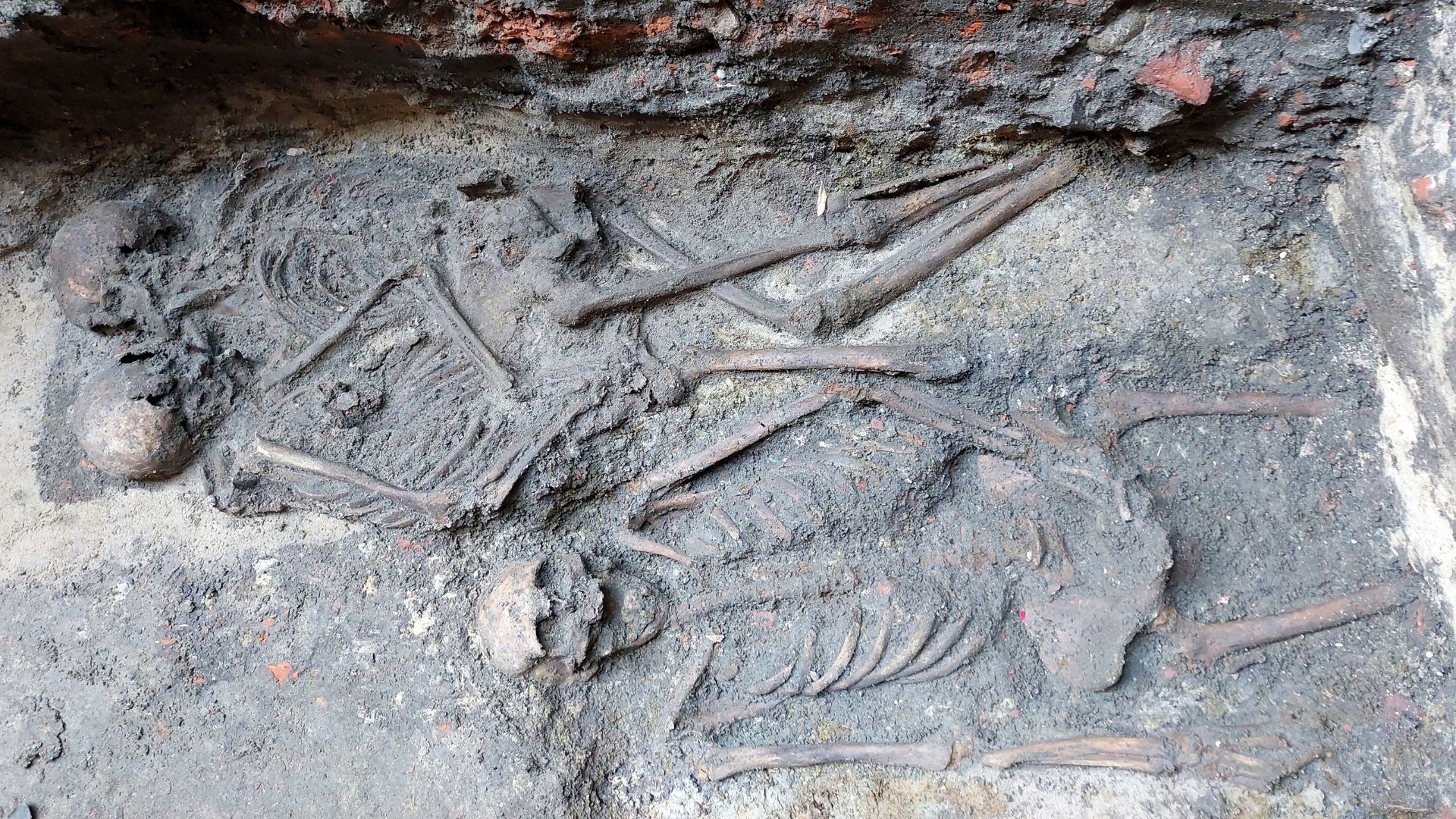 The "hugging skeletons" in Opole, Poland, during excavation (top) and an unrelated burial (bottom).
(Image credit: Magdalena Przysiężna-Pizarska)
The "hugging skeletons" in Opole, Poland, during excavation (top) and an unrelated burial (bottom).
(Image credit: Magdalena Przysiężna-Pizarska)
- Copy link
- X
About 800 years ago, two people were buried in an embrace in a prominent church in Poland. Now, a new DNA analysis of the "hugging skeletons" reveals that both individuals were women and that they were not genetically related.
The discovery, which researchers say is the first known same-sex double burial in medieval Poland, raises questions about the women's relationship.
You may like-
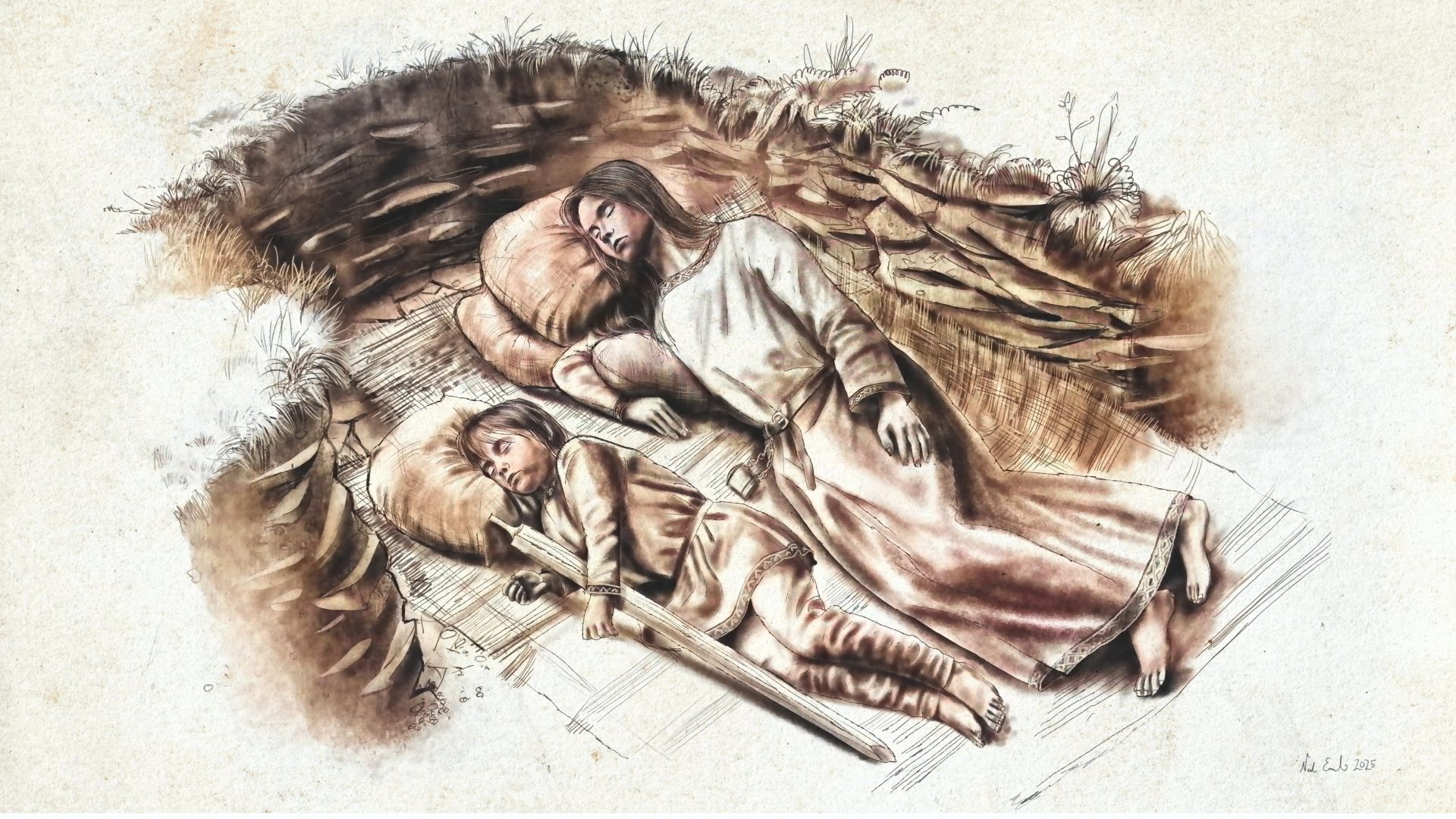 Anglo-Saxon burial holds an older sister cradling her little brother after they both died 1,400 years ago, possibly of an infectious disease
-
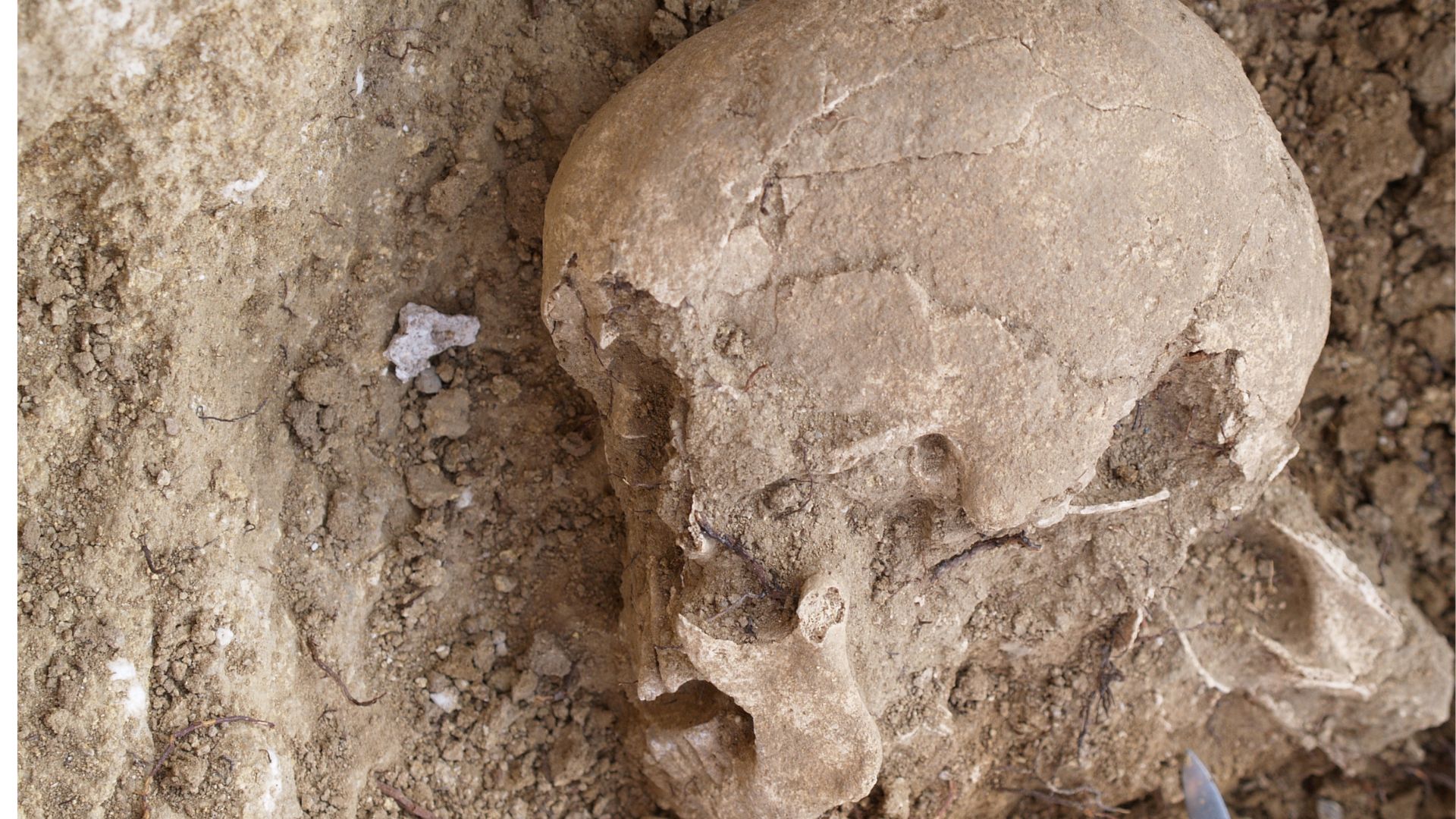 DNA reveals ancestry of man buried in Stone Age monument in Spain, but his religion remains a mystery
-
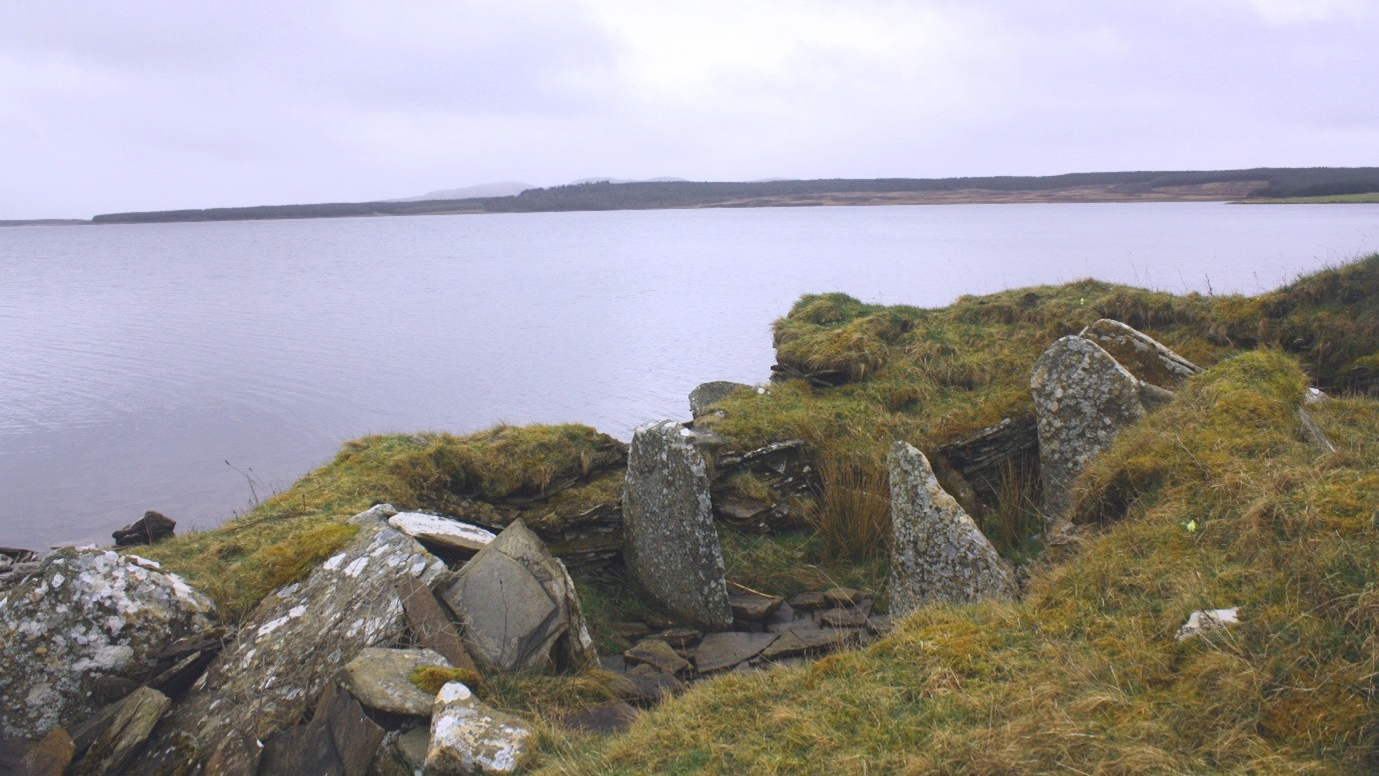 Stone Age tombs in Scotland reveal 'webs of descent' among male relatives
Mysterious double burial
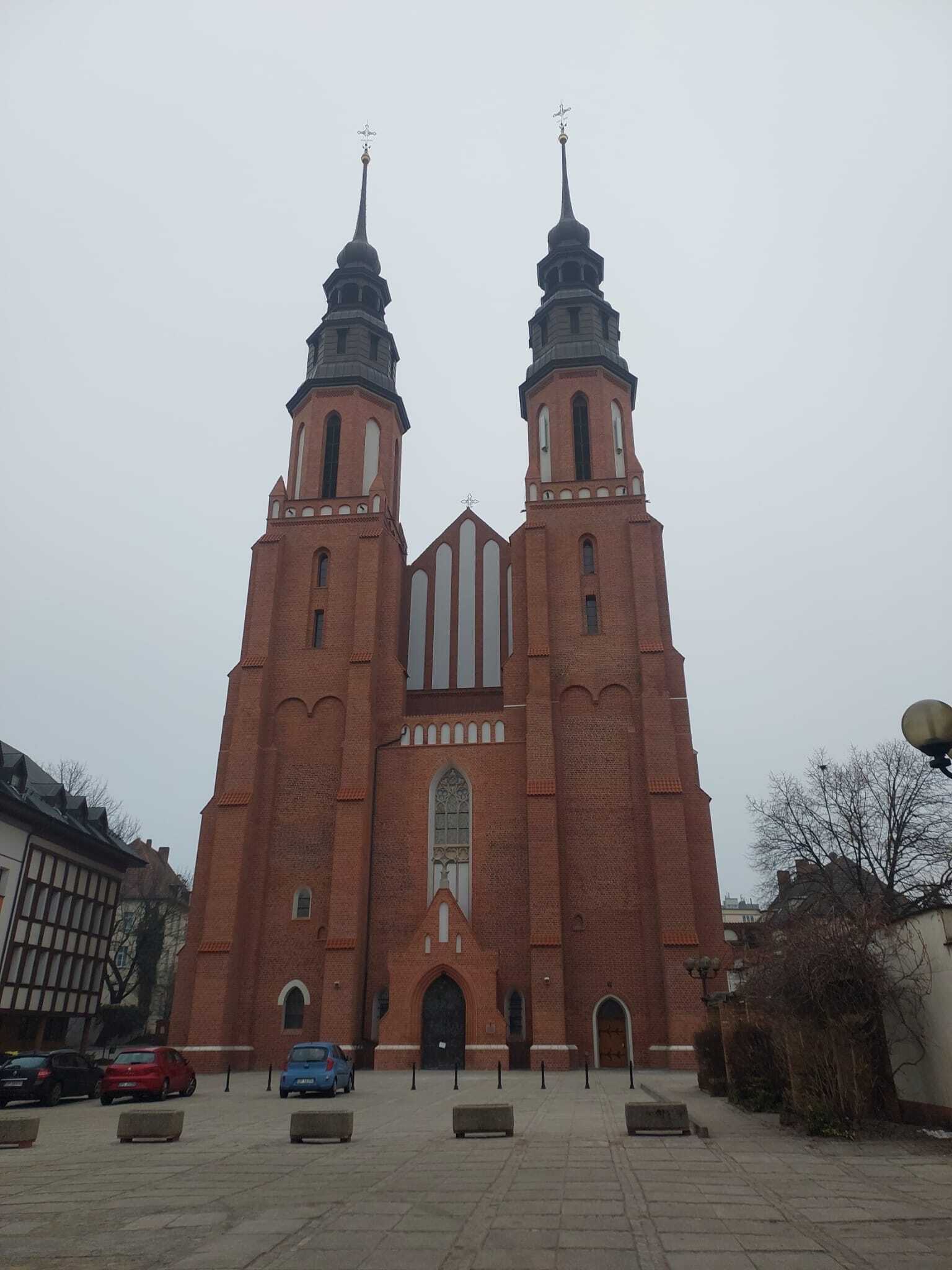
The Cathedral of the Exaltation of the Holy Cross in Opole, Poland.
(Image credit: Magdalena Przysiężna-Pizarska)Sign up for the Live Science daily newsletter nowContact me with news and offers from other Future brandsReceive email from us on behalf of our trusted partners or sponsorsBy submitting your information you agree to the Terms & Conditions and Privacy Policy and are aged 16 or over.
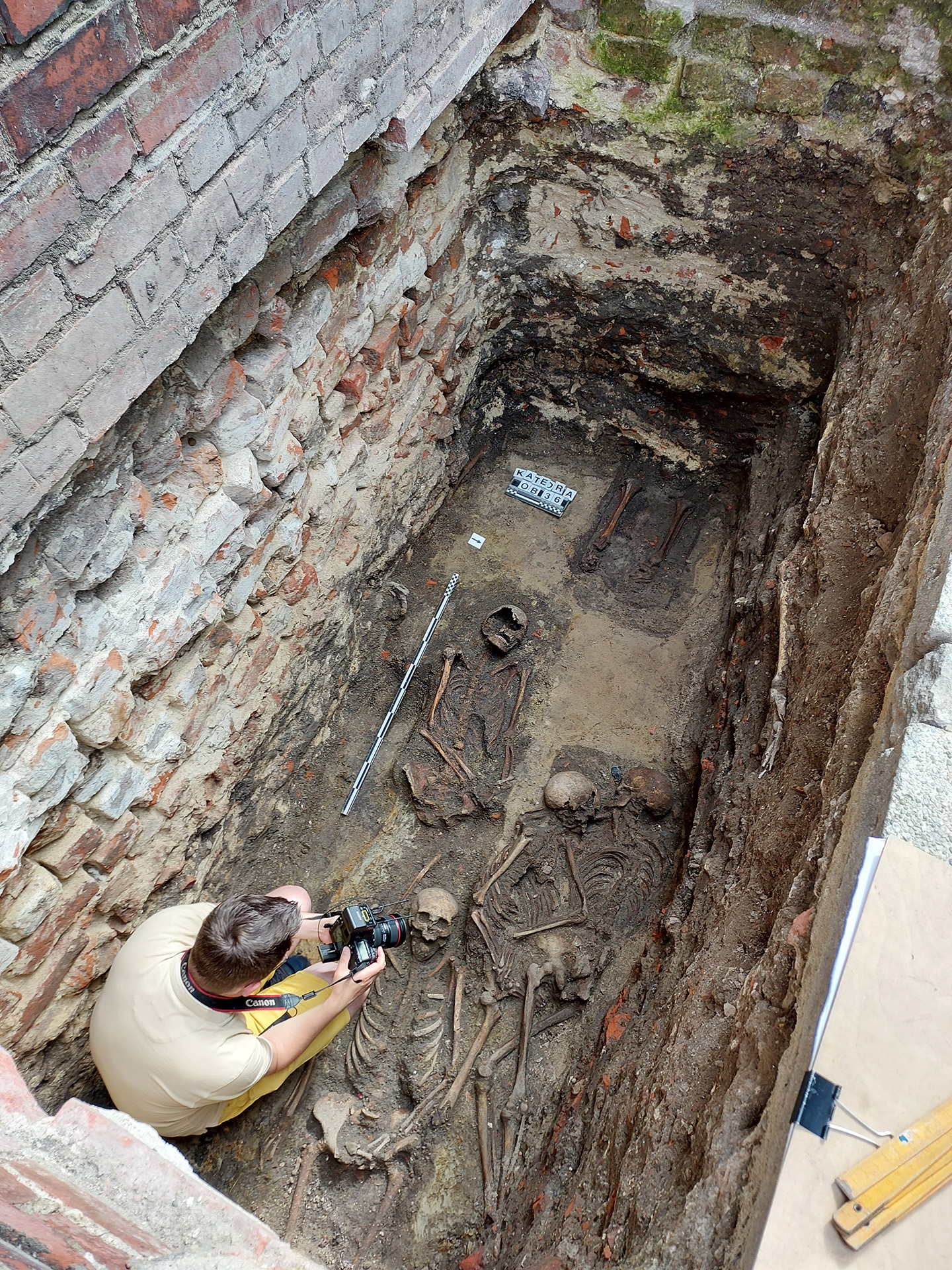
Excavations in Opole, Poland, with multiple burials, including the "hugging skeletons."
(Image credit: Magdalena Przysiężna-Pizarska) What to read next-
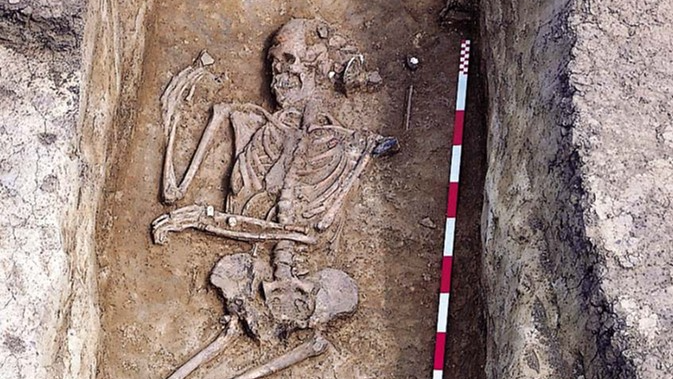 Stone Age woman was buried like a man, revealing flexible gender roles 7,000 years ago in Hungary
-
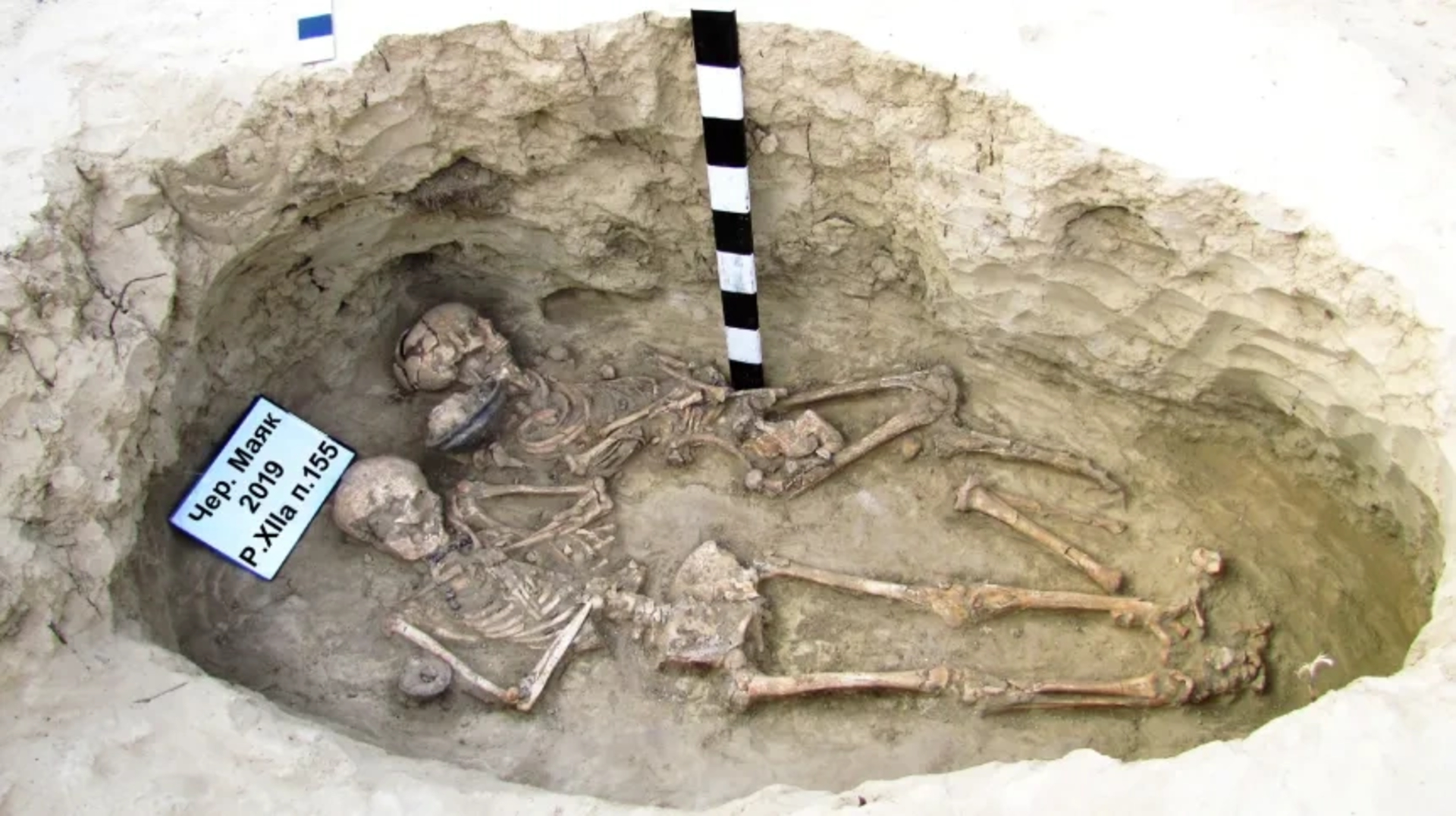 1,900-year-old double Scythian burial in Ukraine contains toxic red mineral
-
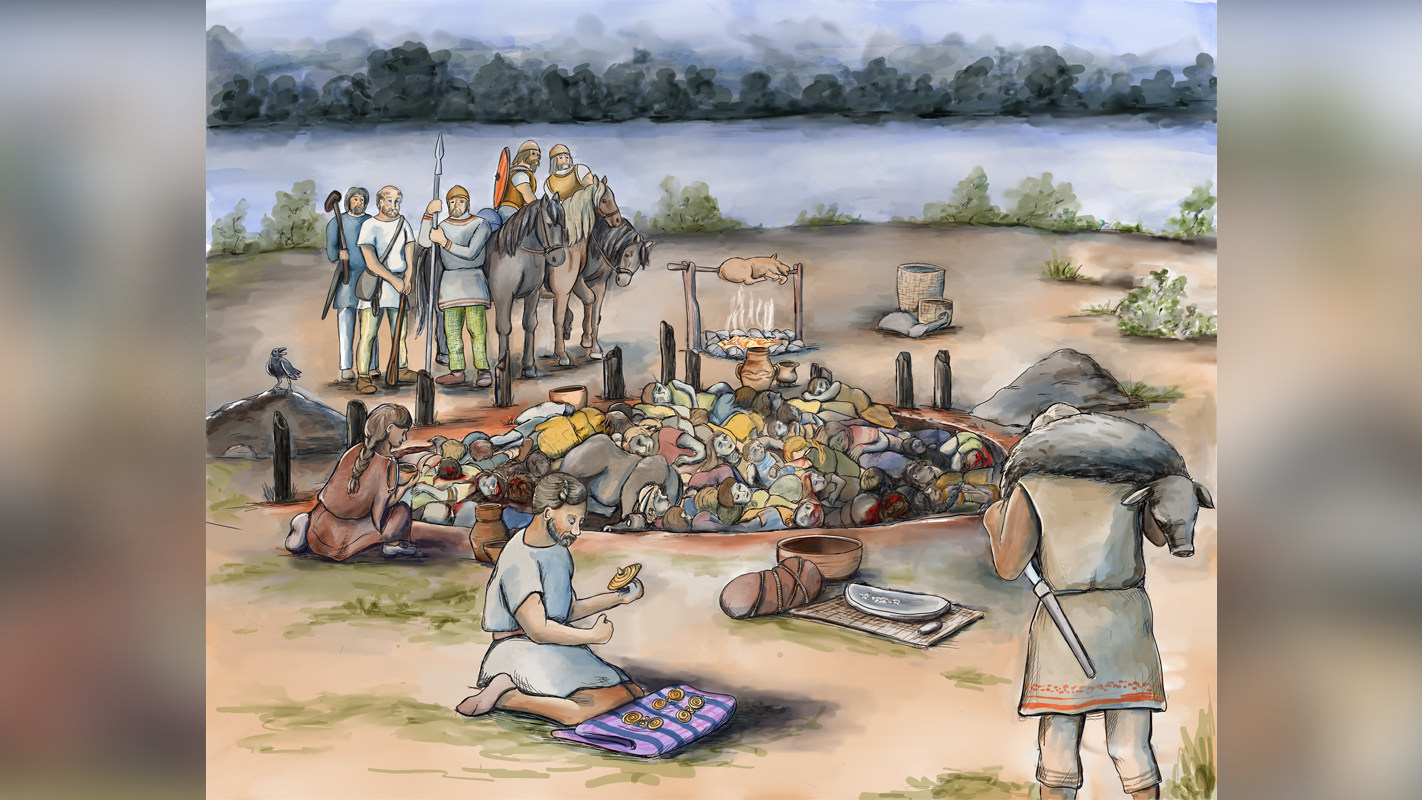 2,800-year-old mass grave of women and children discovered in Serbia reveals 'brutal, deliberate and efficient' violence
- 'Lovers of Modena' buried hand-in-hand turn out to be men
- 1,500-year-old burial in China holds lovers locked in eternal embrace
- Stone Age woman was buried like a man, revealing flexible gender roles 7,000 years ago in Hungary
Cieślik, A., Da Silva, N. A., Przysiężna-Pizarska, M., Krause-Kyora, B., & Romeyer-Dherbey, J. H. (2026). Ancient DNA analysis sheds light on two individuals buried in a mutual embrace at the Exaltation of the Holy Cross Cathedral in Opole, Poland. Journal of Archaeological Science Reports, 73, 105792. https://doi.org/10.1016/j.jasrep.2026.105792
TOPICS gender Sandee OsterSocial Links NavigationLive Science Contributor
Sandee Oster is a freelance journalist and Ph.D. candidate based in South Africa. Her beats include archaeology, history and paleontology. Her work has appeared on Phys.org, the Southern African Archaeology Student Society, and she has a popular Medium blog. Her Ph.D. in archaeology is being completed at the University of the Witwatersrand and is focused on developing her zooarchaeological skills, while her master's degree dealt with archaeological rock art.
View MoreYou must confirm your public display name before commenting
Please logout and then login again, you will then be prompted to enter your display name.
Logout Read more
Archaeology
Anglo-Saxon burial holds an older sister cradling her little brother after they both died 1,400 years ago, possibly of an infectious disease
Archaeology
DNA reveals ancestry of man buried in Stone Age monument in Spain, but his religion remains a mystery
SPONSORED_LABEL
SPONSORED_HEADLINE
SPONSORED_DISCLAIMER
SPONSORED_STRAPLINE
Archaeology
Stone Age tombs in Scotland reveal 'webs of descent' among male relatives
Archaeology
1,900-year-old double Scythian burial in Ukraine contains toxic red mineral
SPONSORED_LABEL
SPONSORED_HEADLINE
SPONSORED_DISCLAIMER
SPONSORED_STRAPLINE
Latest in Archaeology
 Archaeology
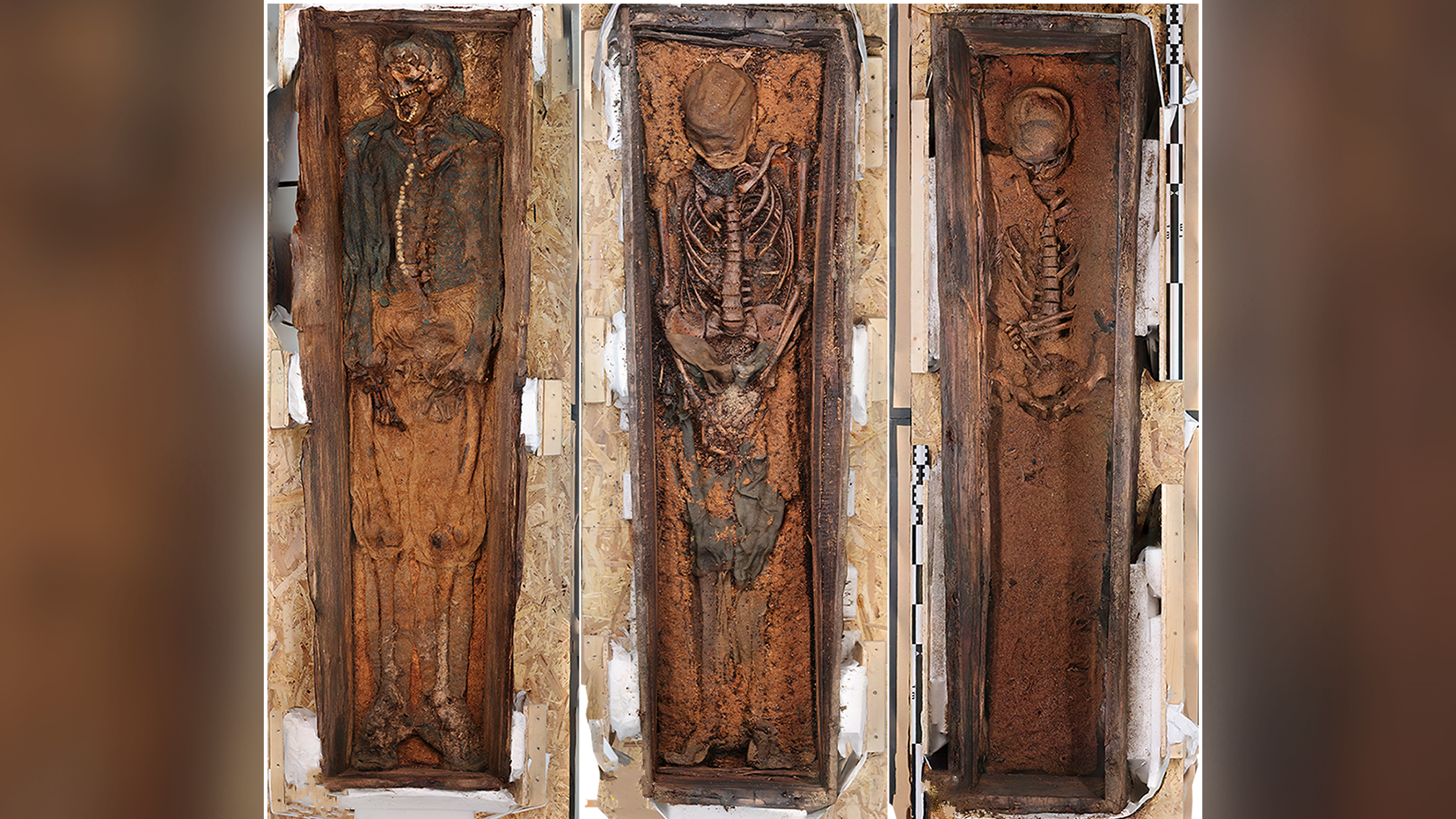
Scurvy-plagued whalers' remains discovered at 'Corpse Point' in Svalbard
Archaeology
Scurvy-plagued whalers' remains discovered at 'Corpse Point' in Svalbard
 Archaeology
Scientists claimed the world's oldest rock art is 67,800 years old. But is the science behind that estimate flawed?
SPONSORED_LABEL
SPONSORED_HEADLINE
SPONSORED_DISCLAIMER
SPONSORED_STRAPLINE
Archaeology
Scientists claimed the world's oldest rock art is 67,800 years old. But is the science behind that estimate flawed?
SPONSORED_LABEL
SPONSORED_HEADLINE
SPONSORED_DISCLAIMER
SPONSORED_STRAPLINE
 Ancient Egyptians
Great Pyramid of Giza is remarkably resilient to earthquakes — and it's due to the ancient Egyptians' 'extraordinary' engineering knowledge
Ancient Egyptians
Great Pyramid of Giza is remarkably resilient to earthquakes — and it's due to the ancient Egyptians' 'extraordinary' engineering knowledge
 Archaeology
800-year-old notebook and fancy silk toilet paper discovered in medieval latrine in Germany
SPONSORED_LABEL
SPONSORED_HEADLINE
SPONSORED_DISCLAIMER
SPONSORED_STRAPLINE
Archaeology
800-year-old notebook and fancy silk toilet paper discovered in medieval latrine in Germany
SPONSORED_LABEL
SPONSORED_HEADLINE
SPONSORED_DISCLAIMER
SPONSORED_STRAPLINE