- Planet Earth
- Climate change
A professor of environmental law explores the 1970 Clean Air Act and it how it has effected car emissions and smog in the decades since.
When you purchase through links on our site, we may earn an affiliate commission. Here’s how it works.
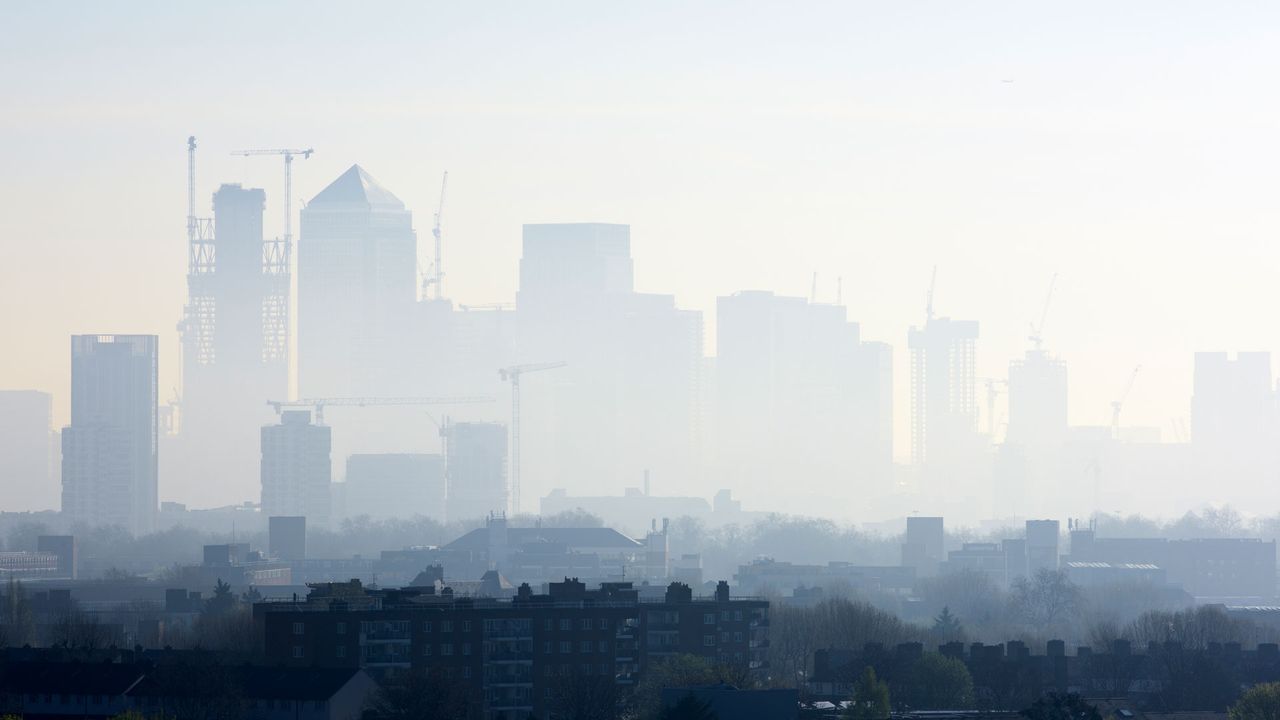
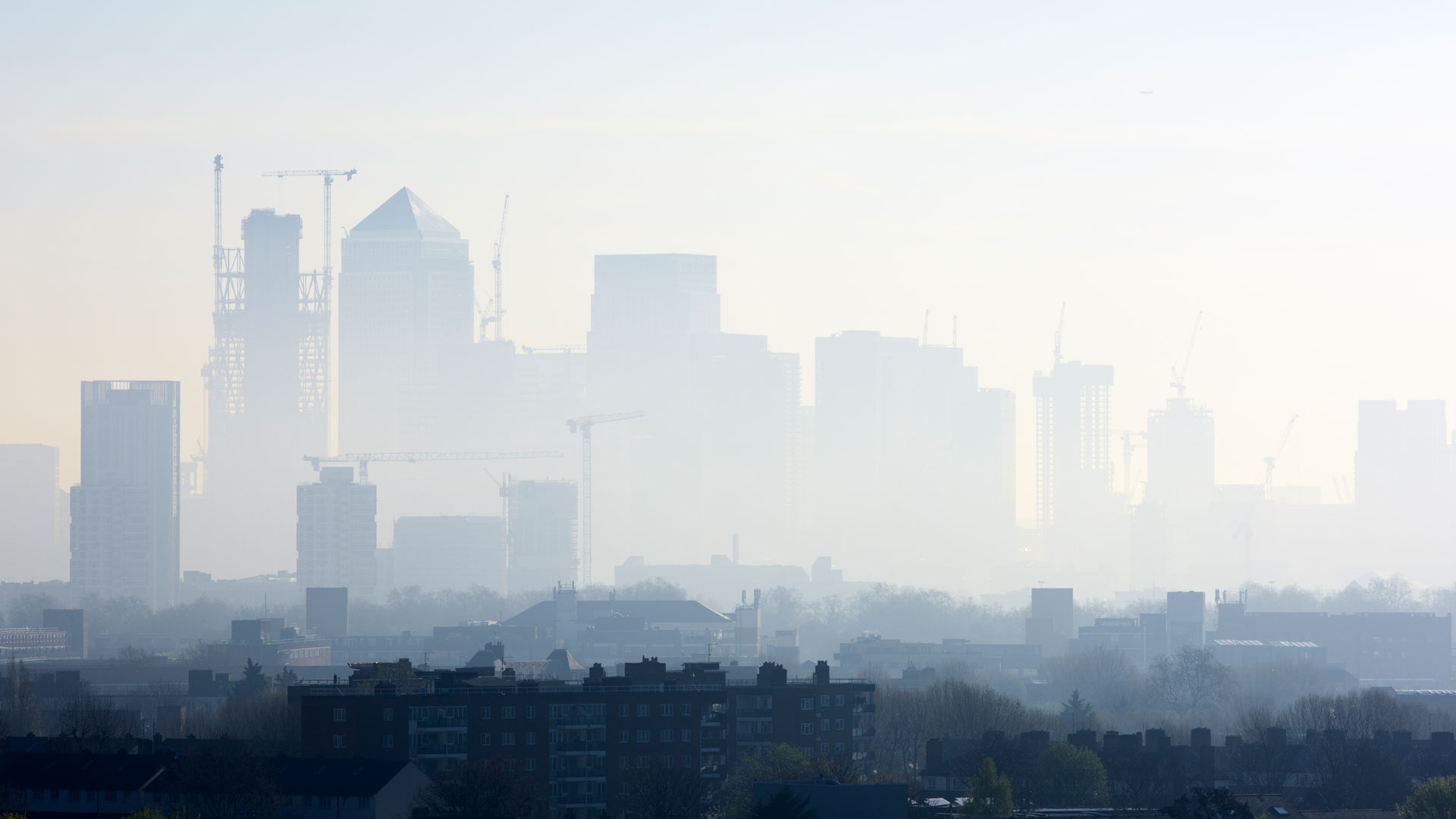 Before catalytic converters, starting a gas-powered vehicle could choke the surrounding area with smog.
(Image credit: Getty)
Before catalytic converters, starting a gas-powered vehicle could choke the surrounding area with smog.
(Image credit: Getty)
- Copy link
- X
Get the world’s most fascinating discoveries delivered straight to your inbox.
Become a Member in Seconds
Unlock instant access to exclusive member features.
Contact me with news and offers from other Future brands Receive email from us on behalf of our trusted partners or sponsors By submitting your information you agree to the Terms & Conditions and Privacy Policy and are aged 16 or over.You are now subscribed
Your newsletter sign-up was successful
Want to add more newsletters?

Delivered Daily
Daily Newsletter
Sign up for the latest discoveries, groundbreaking research and fascinating breakthroughs that impact you and the wider world direct to your inbox.
Signup +
Once a week
Life's Little Mysteries
Feed your curiosity with an exclusive mystery every week, solved with science and delivered direct to your inbox before it's seen anywhere else.
Signup +
Once a week
How It Works
Sign up to our free science & technology newsletter for your weekly fix of fascinating articles, quick quizzes, amazing images, and more
Signup +
Delivered daily
Space.com Newsletter
Breaking space news, the latest updates on rocket launches, skywatching events and more!
Signup +
Once a month
Watch This Space
Sign up to our monthly entertainment newsletter to keep up with all our coverage of the latest sci-fi and space movies, tv shows, games and books.
Signup +
Once a week
Night Sky This Week
Discover this week's must-see night sky events, moon phases, and stunning astrophotos. Sign up for our skywatching newsletter and explore the universe with us!
Signup +Join the club
Get full access to premium articles, exclusive features and a growing list of member rewards.
Explore An account already exists for this email address, please log in. Subscribe to our newsletterCars on the road today are 99% cleaner than they were in 1970. Air quality in the United States is much, much better as a result. In Los Angeles, where I live, lead levels in the air were 50 times higher in the 1970s than today, and the amount of lead in kids’ blood has plummeted.
What made that drop possible is arguably the most important environmental technology ever invented: the catalytic converter.
You may like-
 Preserved hair reveals just how bad lead exposure was in the 20th century
-
 China's huge push to reduce air pollution had an unexpected consequence in the Arctic
-
 Trump is bringing car pollution and other greenhouse gases back to America's skies. Here are the health risks we all face from climate change.
At a time when the Trump administration is attacking California's ability to cut air and climate pollution and revoking its Clean Air Act waivers, it's helpful to remember just how important the state's leadership has been in making the air Americans breathe so much healthier.
As I recount in my forthcoming book, "Smog and Sunshine: The Surprising Story of How Los Angeles Cleaned Up Its Air," California's role in the emergence of catalytic technology is often downplayed. The passage of the 1970 Clean Air Act is typically given the credit. That law deserves accolades for its key role. So does William Ruckelshaus, the first administrator of the U.S. Environmental Protection Agency.
But without California's willingness in the early 1970s to push automakers to meet tough standards, the technology would have developed more slowly and the air would have remained dirtier for many more years.
Birth of the catalytic converter
Eugene Houdry invented the first catalytic converter technology in the 1950s. Years earlier, he had developed the Houdry process for catalytic cracking, which makes converting crude oil into gasoline much easier. That invention in the mid-1930s helped spur the mass adoption of cars and trucks in the U.S.
Sign up for the Live Science daily newsletter nowContact me with news and offers from other Future brandsReceive email from us on behalf of our trusted partners or sponsorsBy submitting your information you agree to the Terms & Conditions and Privacy Policy and are aged 16 or over.Widespread car ownership altered American life, changing where people lived, worked and vacationed. But cars also brought terrible smog as their use skyrocketed. When Houdry realized his life's work was choking the air of Los Angeles, he decided to do something about it. By the late 1950s, Houdry had invented a rudimentary catalytic converter.
You might think that this invention, which Houdry said could make "the lung cancer curve dip," would lead carmakers to install the technology on their new vehicles.
But that is not what happened. Instead, auto manufacturers engaged in what the government described as a yearslong conspiracy to keep emissions-limiting technology off the market, ultimately leading to an antitrust legal settlement.
What to read next-
 China's emissions are flatlining — and may be falling — in critical turning point for biggest emitter, report says
-
 The world is being held hostage by its reliance on oil. How can we break free from the fossil fuel?
-
 'It's telling us there's something big going on': Unprecedented spike in atmospheric methane during the COVID-19 pandemic has a troubling explanation
It wasn't until the passage of the 1970 Clean Air Act that carmakers got serious about improving upon Houdry's invention for mass market installation.
The Clean Air Act's ambition
The 1970 Clean Air Act is a remarkable piece of legislation. Passed with only one negative vote and signed into law by President Richard Nixon, the act set wildly ambitious goals. They included a requirement that carmakers cut auto pollutants by 90% by 1975.
Congress passed this requirement knowing that the technology to cut emissions wasn't ready for prime time. Houdry's catalytic invention couldn't work with leaded gasoline, and it hadn't been tested in tough conditions, such as freezing cold or sweltering heat.
The Ford Motor Co., with Lee Iacocca as its president, told Congress in 1970, "If such (pollution cuts) are established … the technology as we know it today would not permit us to continue to produce cars after January 1, 1975."
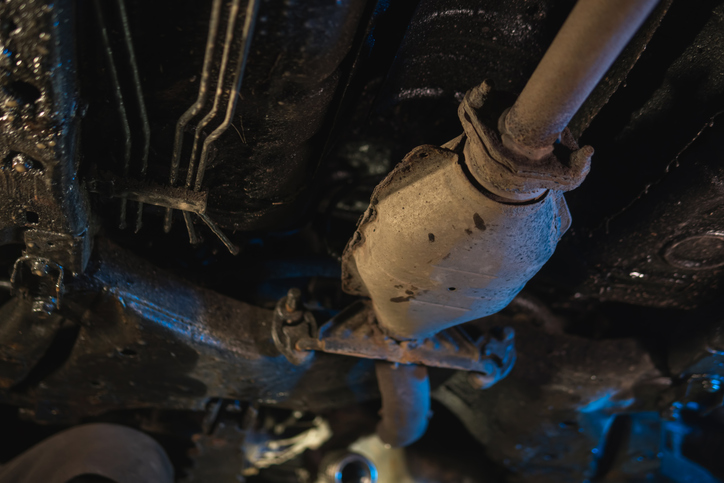
Congress ignored Ford's dire warning and passed the stringent cuts.
Automakers responded with two separate tactics. The first was to gear up — alongside companies like Corning Glass and the Engelhard Company — to develop technology to meet the 90% cuts. Most of their efforts focused on improving the catalytic converter, made more plausible when Engelhard determined that catalytic converters wouldn’t corrode with unleaded gasoline. The EPA's Ruckelshaus ordered gas stations to make unleaded gasoline available as of Jan. 1, 1975.
While the auto companies worked to meet the congressional mandate, they also pressured Congress and the courts to weaken or delay it. The U.S. Court of Appeals for the District of Columbia Circuit obliged, ordering Ruckelshaus to extend the deadline for compliance by a year. Congress eventually extended the deadline to 1981.
But California did not let up.
A gamble that paid off
California has the authority under federal law to issue its own automobile pollution standards, as long as the standards are stronger than federal standards and the state receives a waiver from the EPA. No other state has similar power, but states can adopt California's higher standards.
After the federal appeals court gave carmakers an extra year to comply with the federal rules, California decided it would not let car companies off the hook.
The state asked Ruckelshaus to grant a waiver for California to issue standards tough enough that carmakers would have to install catalytic technology to meet them.
Ruckelshaus faced enormous pressure to deny the waiver, with automakers arguing that the technology was neither effective nor available. But in a hint of the resolve he would later show in refusing Nixon's order to fire Watergate special prosecutor Archibald Cox, Ruckelshaus gave California the go-ahead in 1973, and the state's rules went into effect for the 1975 model year.
He reasoned that doing so would maintain "continued momentum toward installation of (catalyst) systems … while minimizing risks incident to national introduction of a new technology." In other words, California could serve as a guinea pig for the rest of the country by adopting tough standards.
Trailer | CLEARING THE AIR: THE WAR ON SMOG | AMERICAN EXPERIENCE | PBS - YouTube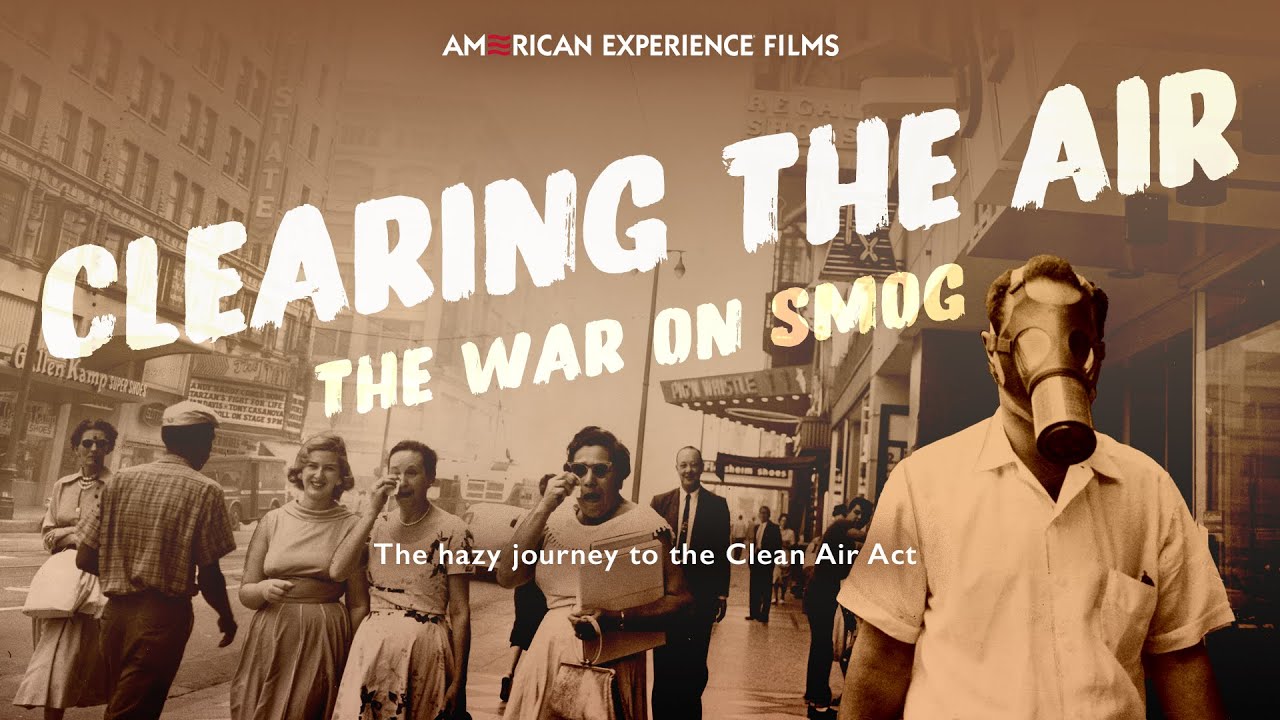 Watch On
The gamble paid off. Since California was the nation's largest auto market, companies had strong economic incentives to change their models to meet the state’s standards. Catalytic technology is now not only standard on American vehicles but also on vehicles around the world, and air quality in the U.S. is vastly improved.
With the adoption of the catalytic converter, leaded gasoline was banned and eventually phased out, and lead levels began to drop almost immediately.
Continuing California's legacy
Catalytic converters have removed 8 billion tons of pollution from the air in the U.S. They have saved hundreds of thousands of lives and led to the removal of a deadly neurotoxin, lead, from the atmosphere.
California's standards have spurred important technological innovations for vehicles, including new types of less-polluting gasoline and vehicles that emit no pollution at all.
RELATED STORIES—Is an electric car better for the planet?
—CO2 levels reach record new high, locking in more global warming
—'It's telling us there's something big going on': Unprecedented spike in atmospheric methane during the COVID-19 pandemic has a troubling explanation
But the state's ability to set higher standards is under attack. Congress — at the behest of the Trump administration — has overturned three waivers the state was granted to cut even more pollutants and the greenhouse gases that cause climate change. The Trump administration has also sued California to invalidate its mandates for automakers to sell zero-emissions vehicles.
Today, California officials are searching for alternative ways to continue to make cars and trucks cleaner. The state has set aside money to replace federal tax incentives for electric vehicles, and the Legislature is exploring creative ways to hold indirect sources of emissions, such as rail yards, ports and warehouses where vehicles are constantly running, accountable for air pollution.
But these alternatives aren't as powerful as the authority to exceed federal standards to make the air cleaner.
This edited article is republished from The Conversation under a Creative Commons license. Read the original article.
TOPICS Air pollution Ann E. CarlsonProfessor of Environmental Law, University of California, Los Angeles
Ann Carlson is the Shirley Shapiro Professor of Environmental Law, and the Faculty Director of the Emmett Institute on Climate Change and the Environment at the UCLA School of Law. She is also on the faculty of the UCLA Institute of the Environment and Sustainability.
View MoreYou must confirm your public display name before commenting
Please logout and then login again, you will then be prompted to enter your display name.
Logout Read more
Health
Preserved hair reveals just how bad lead exposure was in the 20th century
Climate change
China's huge push to reduce air pollution had an unexpected consequence in the Arctic
Climate change
Trump is bringing car pollution and other greenhouse gases back to America's skies. Here are the health risks we all face from climate change.
Climate change
China's emissions are flatlining — and may be falling — in critical turning point for biggest emitter, report says
Fossil Fuels
The world is being held hostage by its reliance on oil. How can we break free from the fossil fuel?
 Fossil Fuels
Our fossil fuel economy is a house of cards and Trump's war in Iran is about to topple it. The need for a clean energy transition has never been clearer.
Latest in Climate change
Fossil Fuels
Our fossil fuel economy is a house of cards and Trump's war in Iran is about to topple it. The need for a clean energy transition has never been clearer.
Latest in Climate change
 Climate change
Earth's energy imbalance is much more extreme than climate models show — but scientists aren't sure why
Climate change
Earth's energy imbalance is much more extreme than climate models show — but scientists aren't sure why
 Climate change
Antarctica hides huge caches of gold, silver, copper and iron. As the ice melts, countries may race to harvest them.
Climate change
Antarctica hides huge caches of gold, silver, copper and iron. As the ice melts, countries may race to harvest them.
 Climate change
Extreme wildfires, droughts and storms could happen even under moderate global warming, study finds
Climate change
China's huge push to reduce air pollution had an unexpected consequence in the Arctic
Climate change
Extreme wildfires, droughts and storms could happen even under moderate global warming, study finds
Climate change
China's huge push to reduce air pollution had an unexpected consequence in the Arctic
 Climate change
Iran war has already released a staggering amount of CO2 — and the destruction of schools, homes and buildings is the biggest source
Climate change
Iran war has already released a staggering amount of CO2 — and the destruction of schools, homes and buildings is the biggest source
 Climate change
Human-driven climate change is slowing Earth's rotation at a rate not seen in 3.6 million years
Latest in Opinion
Climate change
Human-driven climate change is slowing Earth's rotation at a rate not seen in 3.6 million years
Latest in Opinion
 Space Exploration
I've witnessed nearly 100 rocket launches. Artemis II was like nothing I've ever experienced.
Space Exploration
I've witnessed nearly 100 rocket launches. Artemis II was like nothing I've ever experienced.
 Artificial Intelligence
AI systems are enabling mass surveillance in the US, and there is no national law that 'meaningfully limits' the use of this data
Fossil Fuels
Our fossil fuel economy is a house of cards and Trump's war in Iran is about to topple it. The need for a clean energy transition has never been clearer.
Artificial Intelligence
AI systems are enabling mass surveillance in the US, and there is no national law that 'meaningfully limits' the use of this data
Fossil Fuels
Our fossil fuel economy is a house of cards and Trump's war in Iran is about to topple it. The need for a clean energy transition has never been clearer.
 Rivers & Oceans
Colorado River negotiations have stalled among 7 states and water is scarce. What happens next?
Rivers & Oceans
Colorado River negotiations have stalled among 7 states and water is scarce. What happens next?
 Reproductive Health
Endometriosis messes with the immune system and causes 'ripple effects across the body'
Reproductive Health
Endometriosis messes with the immune system and causes 'ripple effects across the body'
 HIV
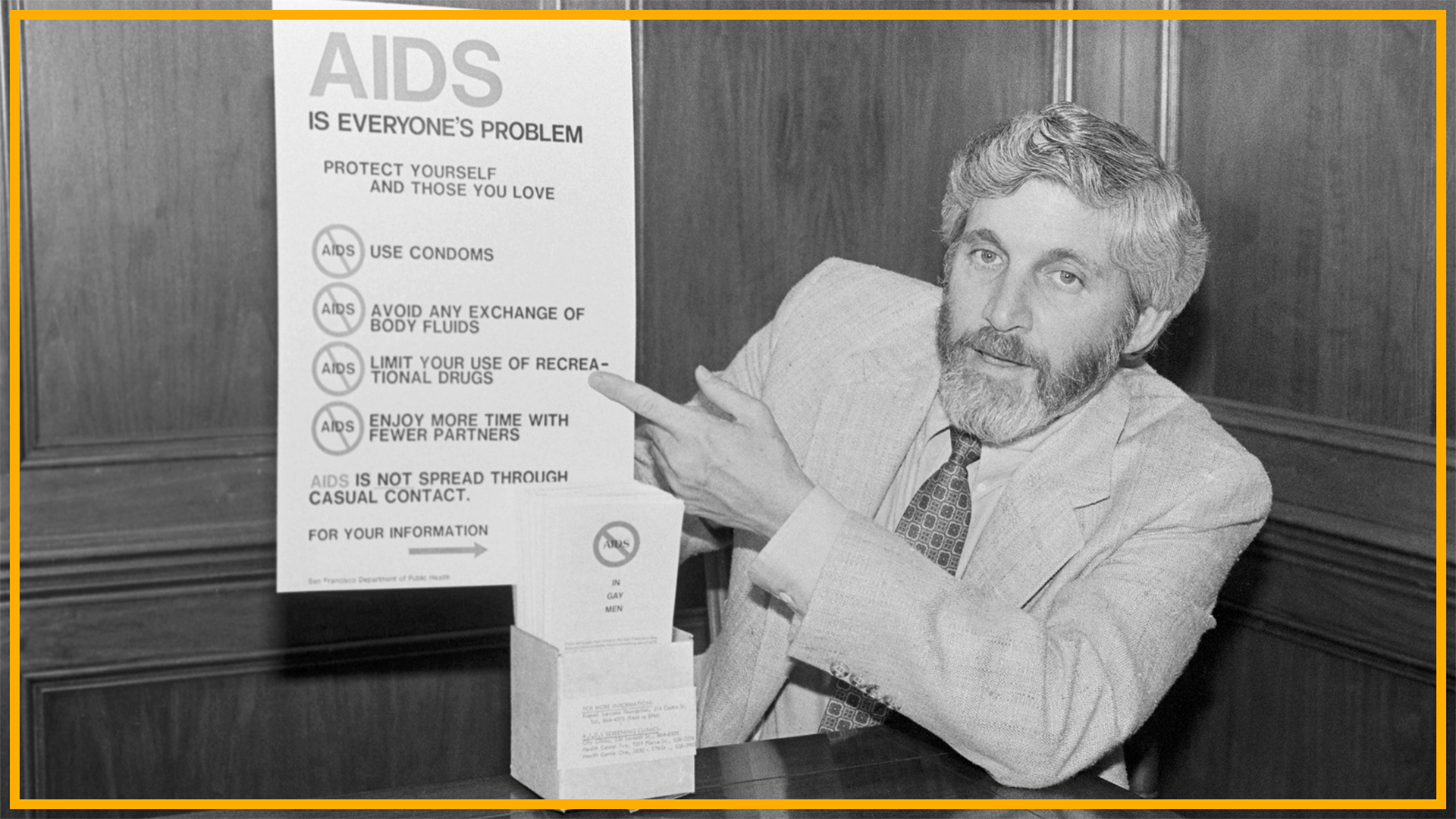
I was at ground zero for the AIDS epidemic. RFK's cuts could fuel a new pandemic, just when elimination seemed within reach.
LATEST ARTICLES
HIV
I was at ground zero for the AIDS epidemic. RFK's cuts could fuel a new pandemic, just when elimination seemed within reach.
LATEST ARTICLES 1AI 'mirages' mean tools used to analyze medical scans could fabricate their findings
- 2World's fattest parrot — on the verge of extinction 30 years ago — has record-breaking breeding season
- 3California declared war on smog in the 1970s. The knock-on effects were huge.
- 4Laifen Wave Pro electric toothbrush review: A perfect all-rounder
- 5Physicists moved volatile antimatter by truck for the first time ever — paving the way for groundbreaking new research