- Animals
- Birds
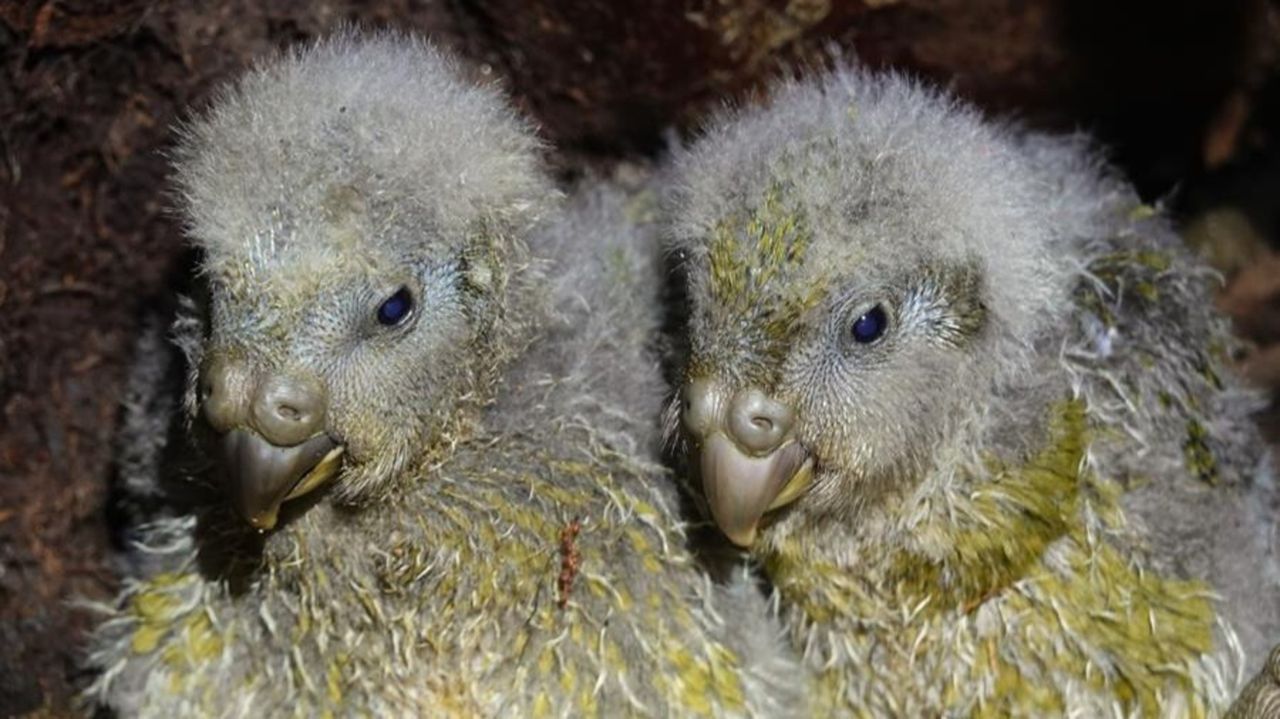
Conservationists are celebrating the 105th kākāpō chick to hatch during the 2026 breeding season — the highest number reported since such records began 30 years ago.
When you purchase through links on our site, we may earn an affiliate commission. Here’s how it works.
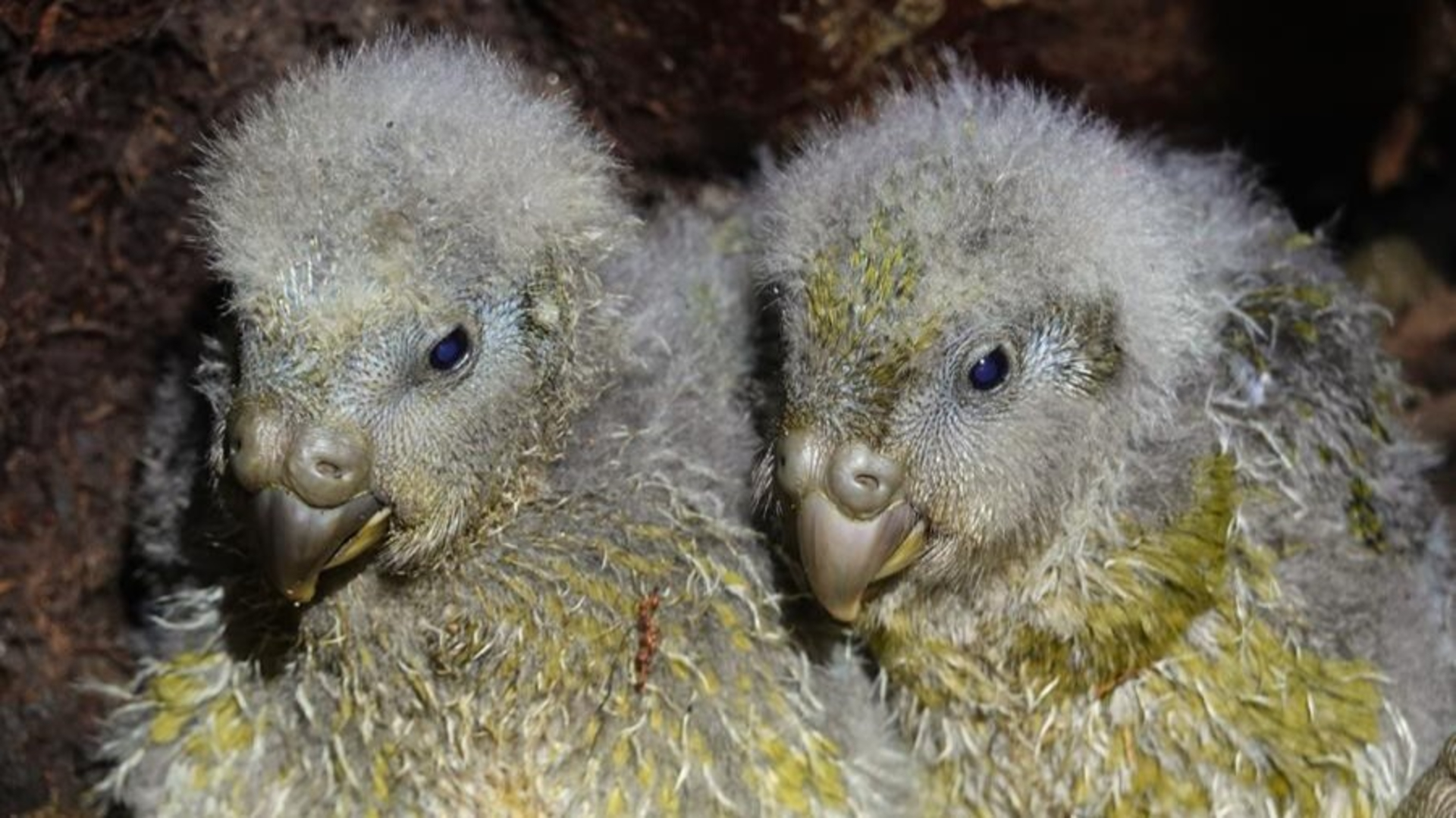 Two sibling chicks that hatched during this year's breeding season.
(Image credit: Sarah Manktelow/DOC)
Two sibling chicks that hatched during this year's breeding season.
(Image credit: Sarah Manktelow/DOC)
- Copy link
- X
Get the world’s most fascinating discoveries delivered straight to your inbox.
Become a Member in Seconds
Unlock instant access to exclusive member features.
Contact me with news and offers from other Future brands Receive email from us on behalf of our trusted partners or sponsors By submitting your information you agree to the Terms & Conditions and Privacy Policy and are aged 16 or over.You are now subscribed
Your newsletter sign-up was successful
Want to add more newsletters?

Delivered Daily
Daily Newsletter
Sign up for the latest discoveries, groundbreaking research and fascinating breakthroughs that impact you and the wider world direct to your inbox.
Signup +
Once a week
Life's Little Mysteries
Feed your curiosity with an exclusive mystery every week, solved with science and delivered direct to your inbox before it's seen anywhere else.
Signup +
Once a week
How It Works
Sign up to our free science & technology newsletter for your weekly fix of fascinating articles, quick quizzes, amazing images, and more
Signup +
Delivered daily
Space.com Newsletter
Breaking space news, the latest updates on rocket launches, skywatching events and more!
Signup +
Once a month
Watch This Space
Sign up to our monthly entertainment newsletter to keep up with all our coverage of the latest sci-fi and space movies, tv shows, games and books.
Signup +
Once a week
Night Sky This Week
Discover this week's must-see night sky events, moon phases, and stunning astrophotos. Sign up for our skywatching newsletter and explore the universe with us!
Signup +Join the club
Get full access to premium articles, exclusive features and a growing list of member rewards.
Explore An account already exists for this email address, please log in. Subscribe to our newsletterA critically endangered bird that almost went extinct 30 years ago just recorded a major milestone: The kākāpō recovery program in New Zealand has celebrated the 105th kākāpō egg to hatch — the largest number since records began 30 years ago, according to the New Zealand broadcaster RNZ.
In an updated chick count released April 3, representatives from the New Zealand Department of Conservation said 105 kākāpō chicks had hatched from 256 eggs laid. Of these, 98 chicks are still alive. One egg remains in an incubator.
The achievement hints that the species, which reproduces only every two to four years, may be making a comeback. The kākāpō (Strigops habroptilus) is a critically endangered, flightless parrot that is found only in New Zealand. They are the world's fattest and heaviest parrots, with males weighing up to 8.8 pounds (4 kilograms).
You may like-
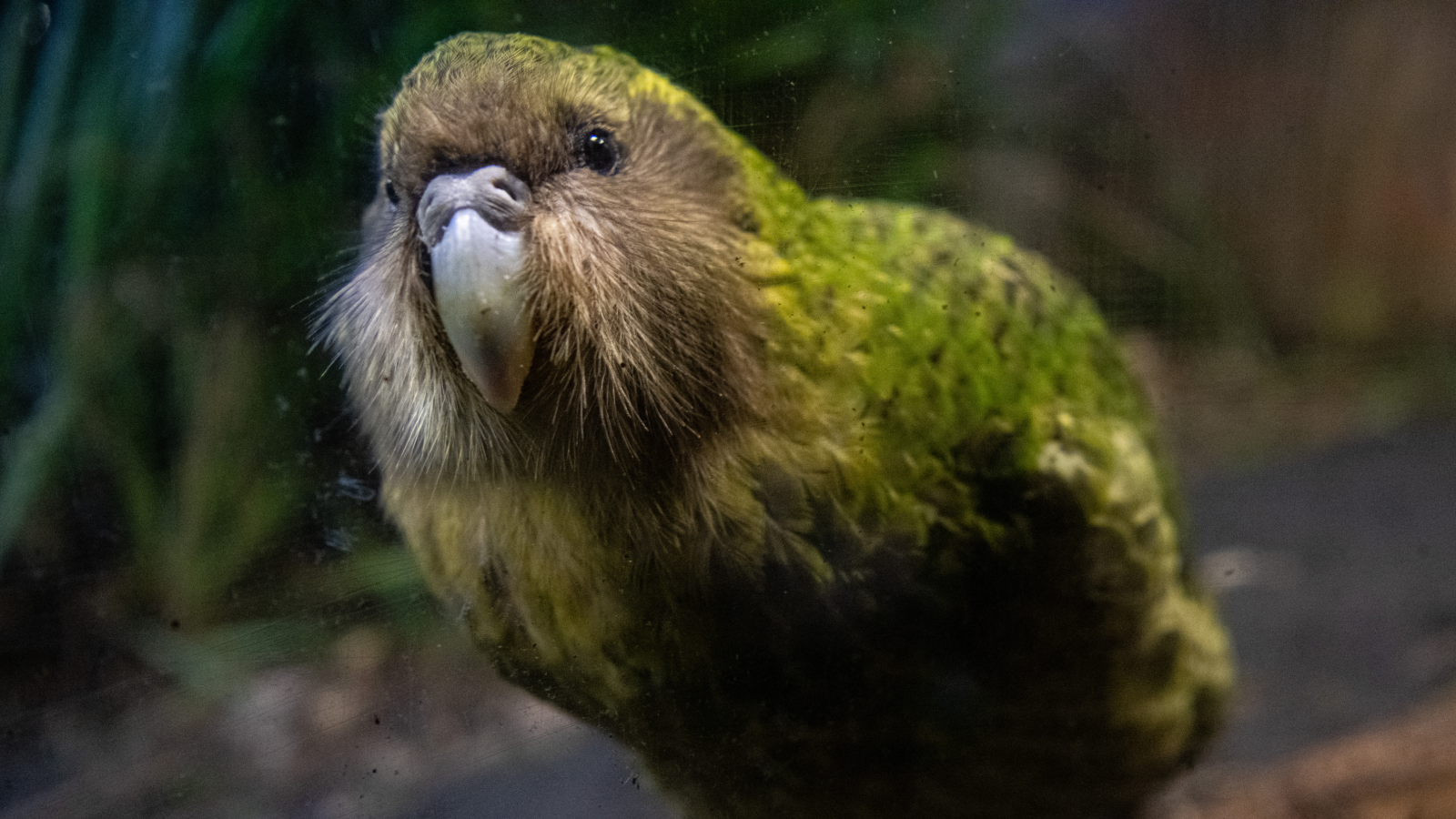 Rare nocturnal parrots in New Zealand are breeding for the first time in 4 years — here's why
-
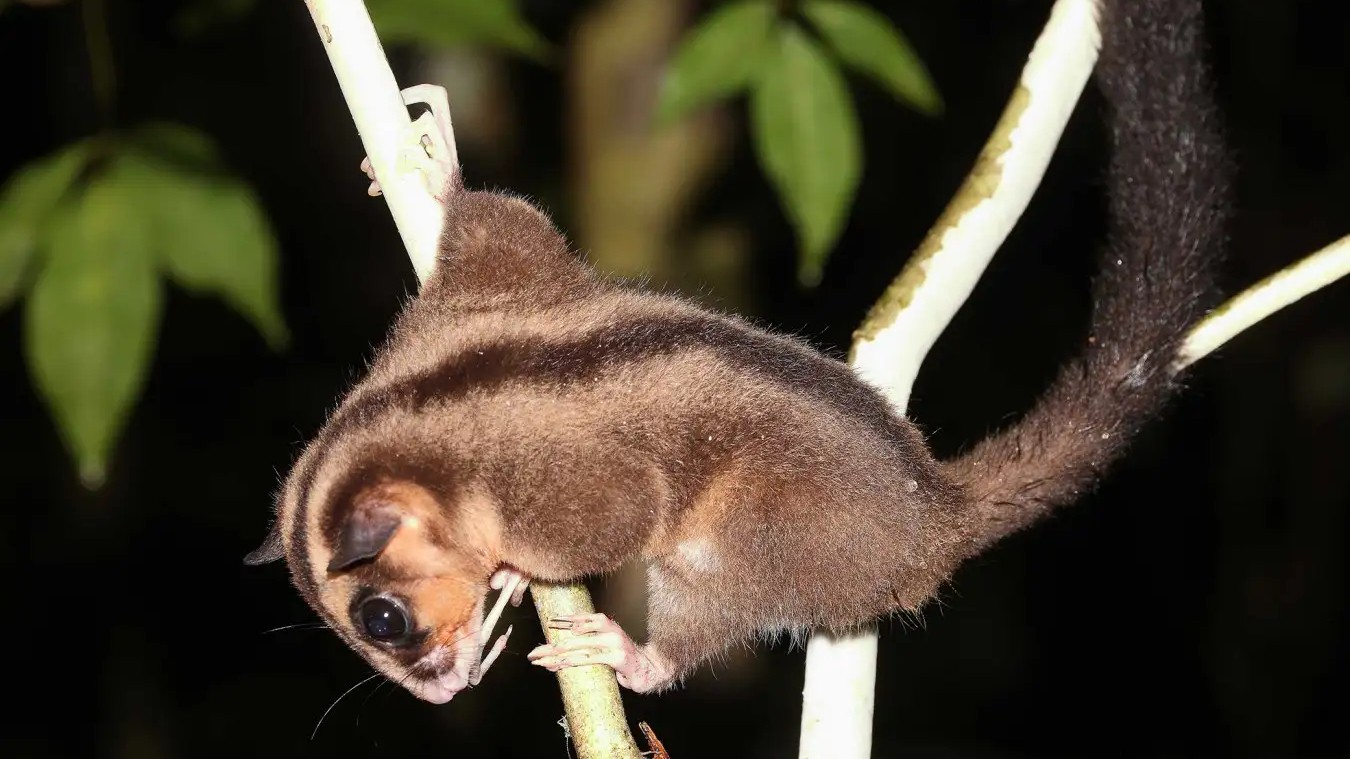 Scientists find 2 marsupial species, thought to have gone extinct 6,000 years ago, living in the forests of New Guinea
-
 Birds are declining faster and faster in 3 US hotspots, new study finds
Hunting, habitat destruction and the introduction of new predators have led kākāpō populations to plummet, and the species almost went extinct in the 1990s.
These birds reproduce only every two to four years, and most females hatch only one chick per breeding season, compounding their vulnerability. Today there are an estimated 235 kākāpōs remaining in the wild.
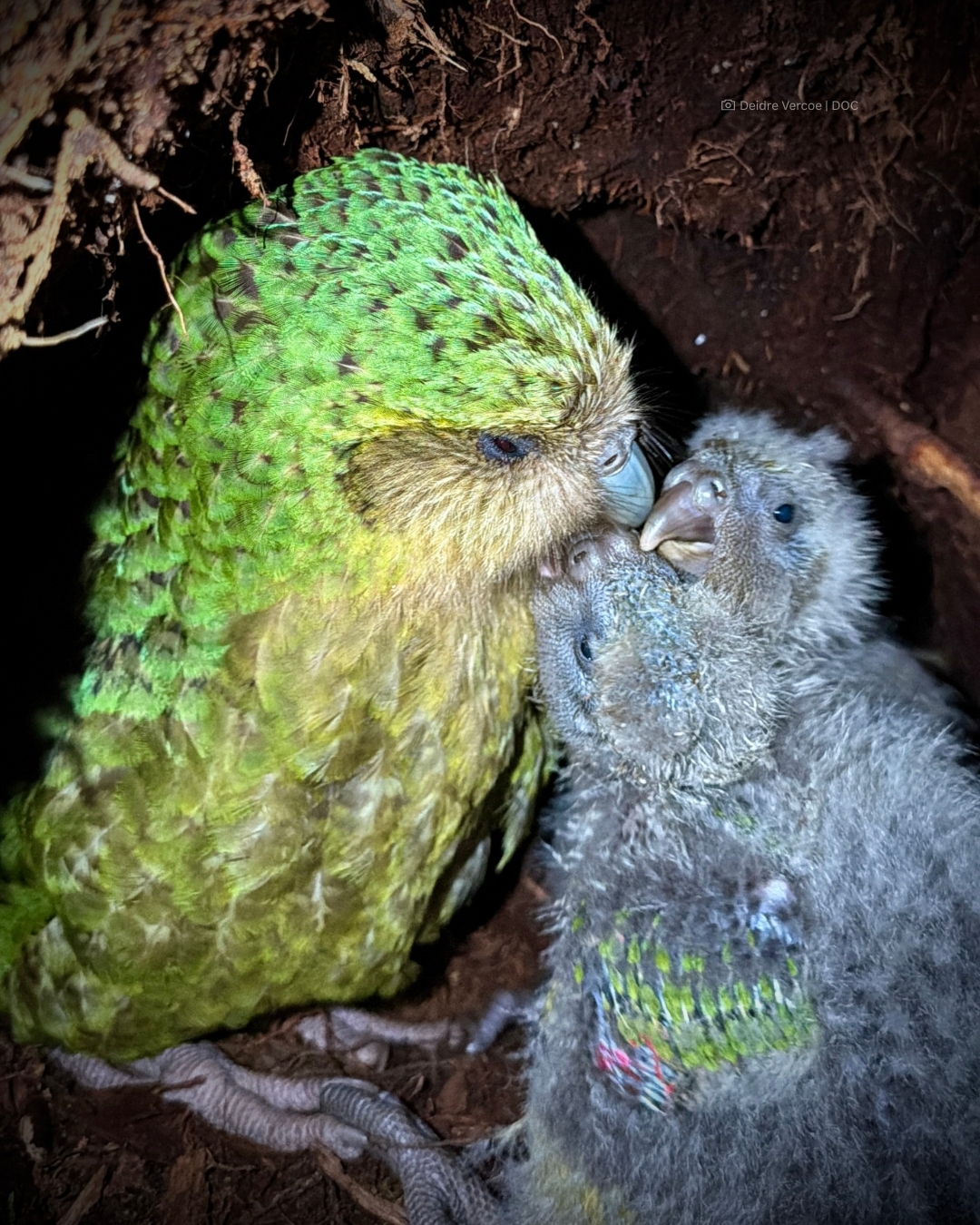
Not all of the newly hatched chicks will survive, however. Sarah Manktelow, Kākāpō Recovery Programme ranger told RNZ's Kākāpō Files podcast that seven chicks have died so far and four have been transported to Dunedin Wildlife Hospital for treatment. Kākāpō chicks are classified as adults when they reach 150 days old, which will be in mid-July.
RELATED STORIES- Birds are declining faster and faster in 3 US hotspots, new study finds
- In the search for bees, Mozambique honey hunters and birds share a language with distinct, regional dialects
- Last of its kind dodo relative spotted in a remote Samoan rainforest
The official chick count for this breeding season will be confirmed at this point. The oldest chick is now over 50 days old.
Sign up for the Live Science daily newsletter nowContact me with news and offers from other Future brandsReceive email from us on behalf of our trusted partners or sponsorsBy submitting your information you agree to the Terms & Conditions and Privacy Policy and are aged 16 or over."Every new chick brings the species further from the brink of extinction," Deidre Vercoe, the Department of Conservation's operations manager for kakapo told Mongabay. "There's always a sense of hope and optimism for the future."
How much do you know about birds? Test your smarts with our bird quiz!
 Bryony RavateLive Science Contributor
Bryony is a freelance journalist based in the UK. After working in science PR for five years (including at the Royal Society) she decided to take the plunge into journalism. She’s interested in all areas of science - her PR career saw her cover topics like conservation, decarbonisation, scientific events and prizes, and even women’s health. But stories about the natural world really make her heart sing.She has a Master’s degree in Animal Behaviour and Welfare from Queen’s University Belfast as well as a Bachelor’s in the same field from the University of Plymouth. She will be studying an NCTJ from September 2026 while freelancing alongside it.
View MoreYou must confirm your public display name before commenting
Please logout and then login again, you will then be prompted to enter your display name.
Logout Read more
Birds
Rare nocturnal parrots in New Zealand are breeding for the first time in 4 years — here's why
Land Mammals
Scientists find 2 marsupial species, thought to have gone extinct 6,000 years ago, living in the forests of New Guinea
 The Americas
Pre-Inca culture acquired Amazonian parrots from hundreds of miles away to use their feathers to decorate the dead, new analysis reveals
The Americas
Pre-Inca culture acquired Amazonian parrots from hundreds of miles away to use their feathers to decorate the dead, new analysis reveals
 Land Mammals
Critically endangered hare spotted in surprising location for the first time in 40 years — but it was already dead
Land Mammals
Critically endangered hare spotted in surprising location for the first time in 40 years — but it was already dead
 Birds
Extraordinary photo captures first appearance of Siberian peregrine falcon in Australia's arid center
Birds
Extraordinary photo captures first appearance of Siberian peregrine falcon in Australia's arid center
 Cats
Kazakhstan plants tens of thousands of trees in giant effort to reintroduce tigers
Latest in Birds
Birds
Birds are declining faster and faster in 3 US hotspots, new study finds
Birds
Extraordinary photo captures first appearance of Siberian peregrine falcon in Australia's arid center
Cats
Kazakhstan plants tens of thousands of trees in giant effort to reintroduce tigers
Latest in Birds
Birds
Birds are declining faster and faster in 3 US hotspots, new study finds
Birds
Extraordinary photo captures first appearance of Siberian peregrine falcon in Australia's arid center
 Birds
In the search for bees, Mozambique honey hunters and birds share a language with distinct, regional dialects
Birds
Rare nocturnal parrots in New Zealand are breeding for the first time in 4 years — here's why
Birds
In the search for bees, Mozambique honey hunters and birds share a language with distinct, regional dialects
Birds
Rare nocturnal parrots in New Zealand are breeding for the first time in 4 years — here's why
 Birds
Last of its kind dodo relative spotted in a remote Samoan rainforest
Birds
Last of its kind dodo relative spotted in a remote Samoan rainforest
 Birds
Why do vultures circle?
Latest in News
Birds
Why do vultures circle?
Latest in News
 Archaeology
DNA reveals ancestry of man buried in Stone Age monument in Spain, but his religion remains a mystery
Archaeology
DNA reveals ancestry of man buried in Stone Age monument in Spain, but his religion remains a mystery
 The Moon
'So much magic': Artemis II shares first images from the far side of the moon, including new 'Earthset' and total eclipse in space
The Moon
'So much magic': Artemis II shares first images from the far side of the moon, including new 'Earthset' and total eclipse in space
 Health
AI 'mirages' mean tools used to analyze medical scans could fabricate their findings
Health
AI 'mirages' mean tools used to analyze medical scans could fabricate their findings
 Space Exploration
The Artemis II astronauts have just flown farther from Earth than any humans in history
Space Exploration
The Artemis II astronauts have just flown farther from Earth than any humans in history
 Space Exploration
Artemis II moon flyby begins: How to watch and what to know
Space Exploration
Artemis II moon flyby begins: How to watch and what to know
 Health
AI-written code can beat humans at biomedical analysis, some studies find. What does that mean for the field?
LATEST ARTICLES
Health
AI-written code can beat humans at biomedical analysis, some studies find. What does that mean for the field?
LATEST ARTICLES 1'They are literally everywhere': The shocking story of how forever chemicals polluted the world
- 2DNA reveals ancestry of man buried in Stone Age monument in Spain, but his religion remains a mystery
- 3'So much magic': Artemis II shares first images from the far side of the moon, including new 'Earthset' and total eclipse in space
- 4AI 'mirages' mean tools used to analyze medical scans could fabricate their findings
- 5World's fattest parrot — on the verge of extinction 30 years ago — has record-breaking breeding season