- Space
- Astronomy
- The Moon
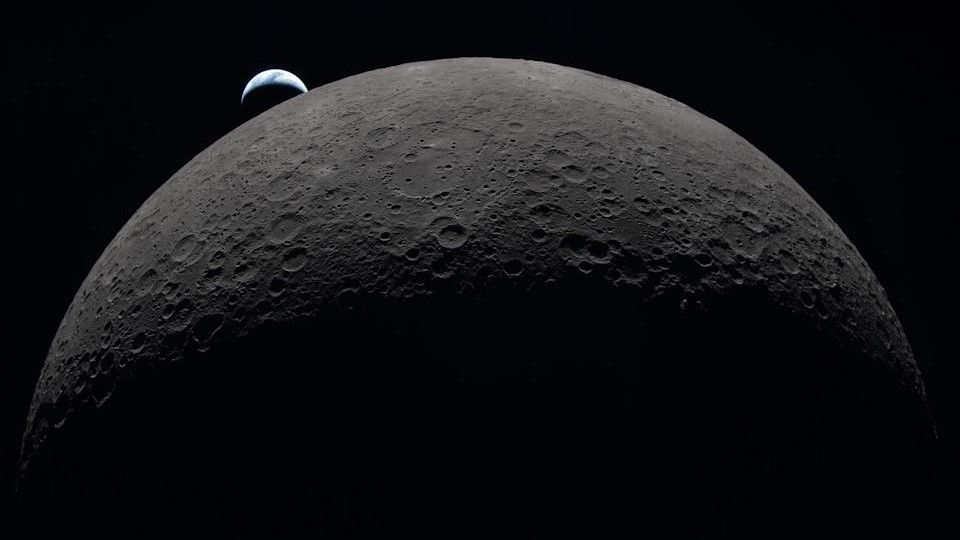
NASA's first set of images captured by the Artemis II crew during their lunar flyby are here, and they're stunning.
When you purchase through links on our site, we may earn an affiliate commission. Here’s how it works.
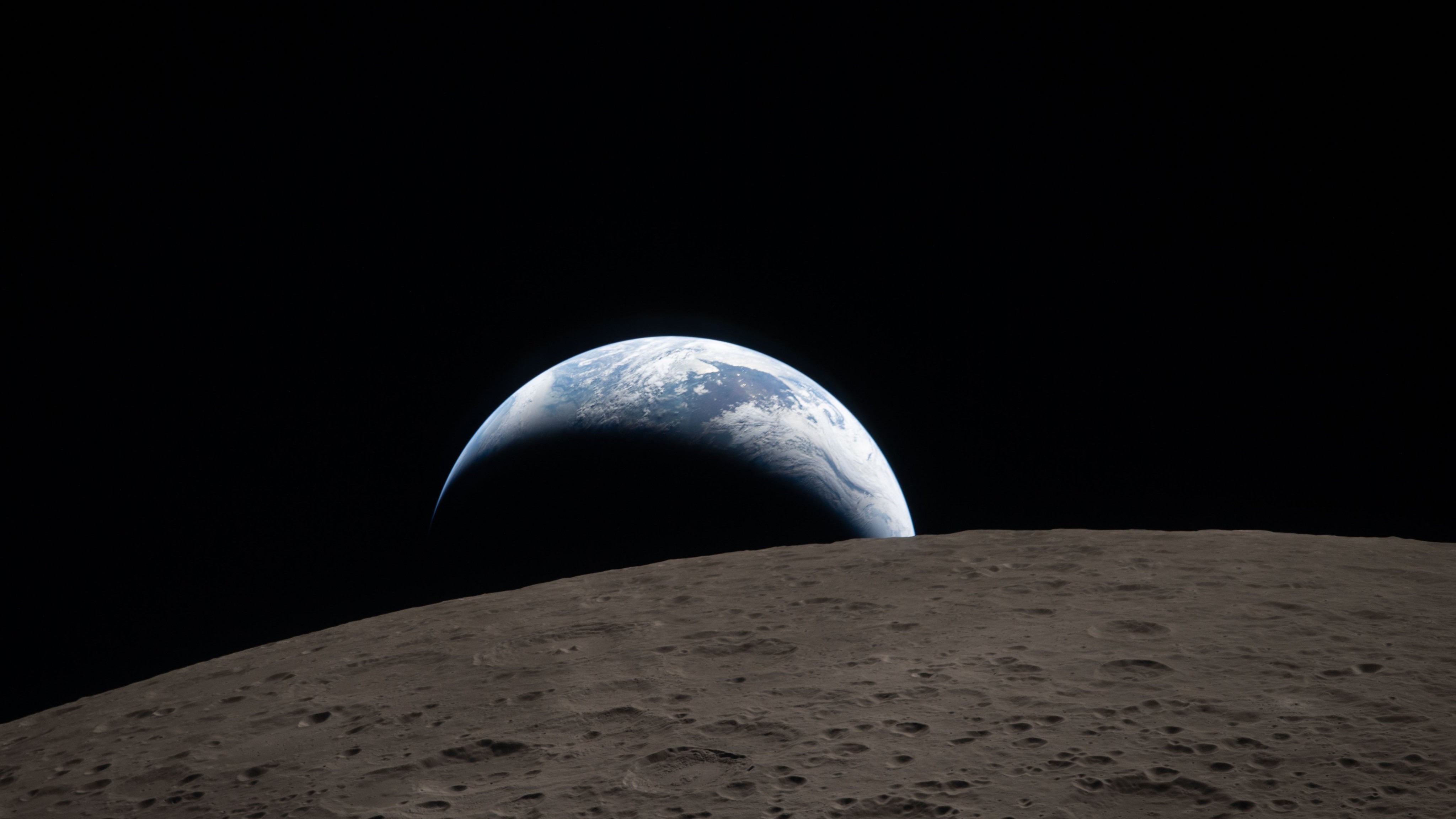
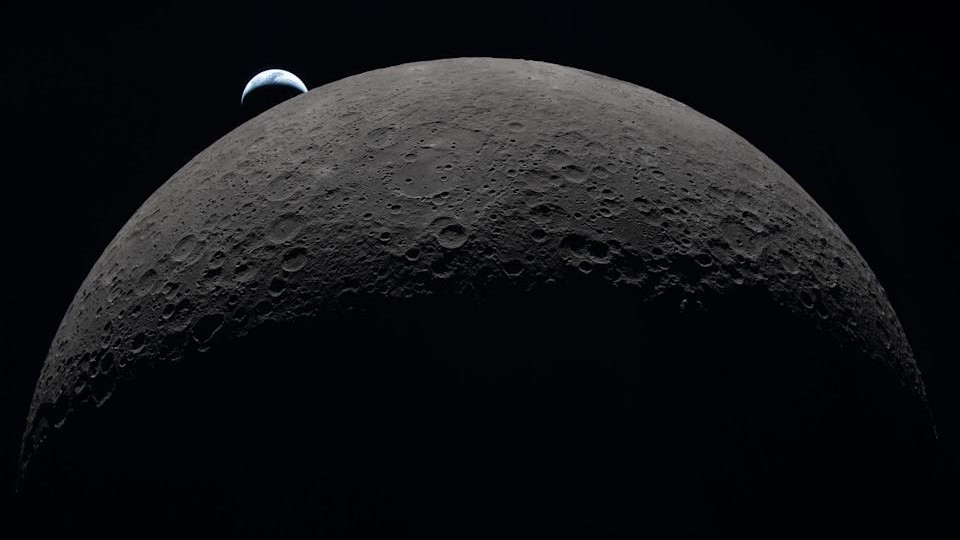 The Earth sets as the Artemis II crew disappear behind the dark side of the moon.
(Image credit: NASA)
The Earth sets as the Artemis II crew disappear behind the dark side of the moon.
(Image credit: NASA)
- Copy link
- X
Get the world’s most fascinating discoveries delivered straight to your inbox.
Become a Member in Seconds
Unlock instant access to exclusive member features.
Contact me with news and offers from other Future brands Receive email from us on behalf of our trusted partners or sponsors By submitting your information you agree to the Terms & Conditions and Privacy Policy and are aged 16 or over.You are now subscribed
Your newsletter sign-up was successful
Want to add more newsletters?

Delivered Daily
Daily Newsletter
Sign up for the latest discoveries, groundbreaking research and fascinating breakthroughs that impact you and the wider world direct to your inbox.
Signup +
Once a week
Life's Little Mysteries
Feed your curiosity with an exclusive mystery every week, solved with science and delivered direct to your inbox before it's seen anywhere else.
Signup +
Once a week
How It Works
Sign up to our free science & technology newsletter for your weekly fix of fascinating articles, quick quizzes, amazing images, and more
Signup +
Delivered daily
Space.com Newsletter
Breaking space news, the latest updates on rocket launches, skywatching events and more!
Signup +
Once a month
Watch This Space
Sign up to our monthly entertainment newsletter to keep up with all our coverage of the latest sci-fi and space movies, tv shows, games and books.
Signup +
Once a week
Night Sky This Week
Discover this week's must-see night sky events, moon phases, and stunning astrophotos. Sign up for our skywatching newsletter and explore the universe with us!
Signup +Join the club
Get full access to premium articles, exclusive features and a growing list of member rewards.
Explore An account already exists for this email address, please log in. Subscribe to our newsletterNASA has released its first batch of photos taken by the Artemis II astronauts during their historic flyby around the far side of the moon.
The first image, dubbed "Earthset," shows our planet disappearing behind the moon's pockmarked face and is reminiscent of the "Earthrise" photo taken by Apollo 8 astronaut Bill Anders in 1968. An advancing shadow delineates the night side of our planet, where billions of humans slept as the Artemis II crew made history.
Not to be outdone, a second new image shows a stunning solar eclipse witnessed as the astronauts dipped behind the moon — granting them roughly 40 minutes of complete radio silence to soak in the view.
Article continues below You may like-
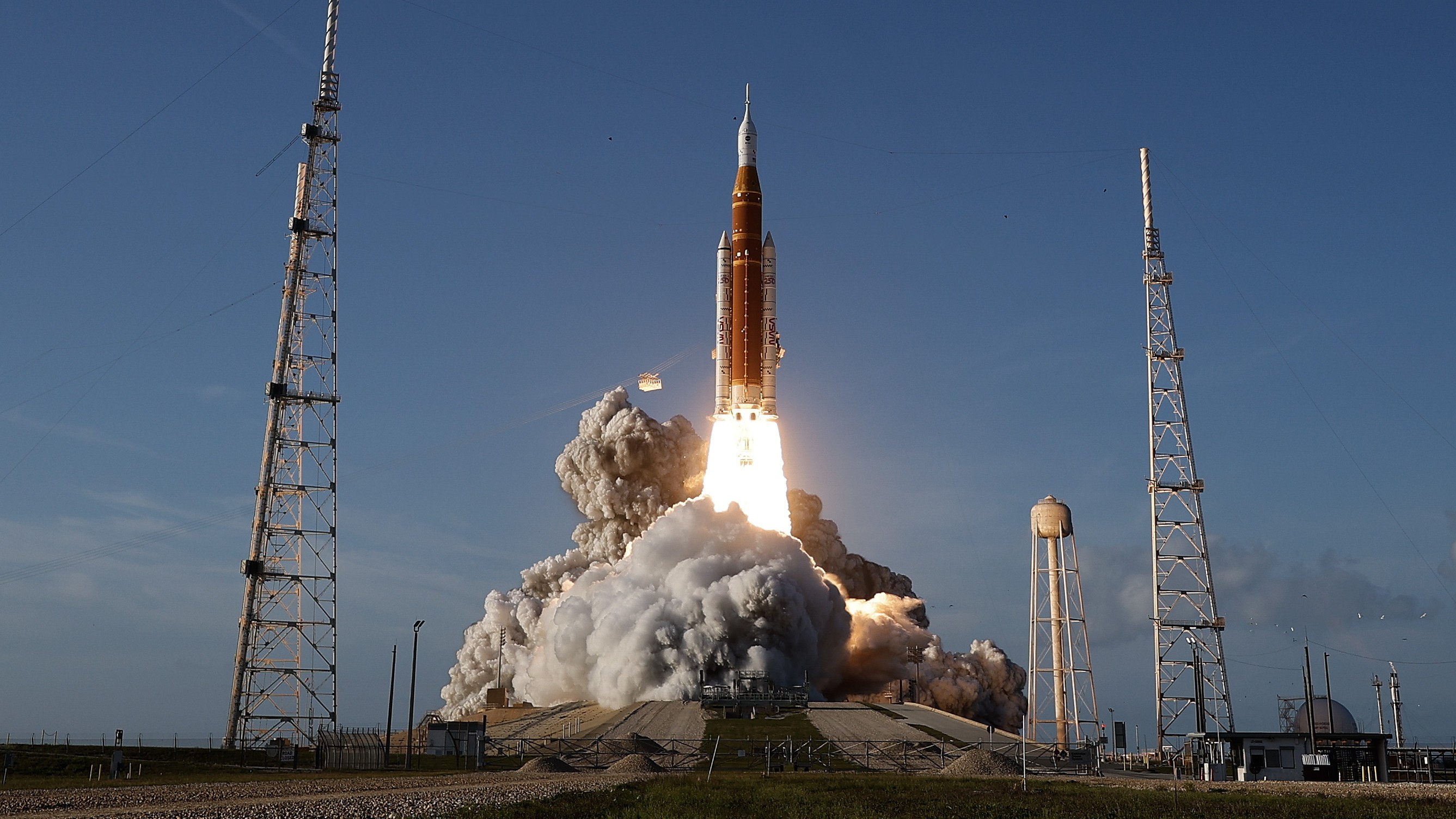 In photos: Artemis II's historic launch for the moon
-
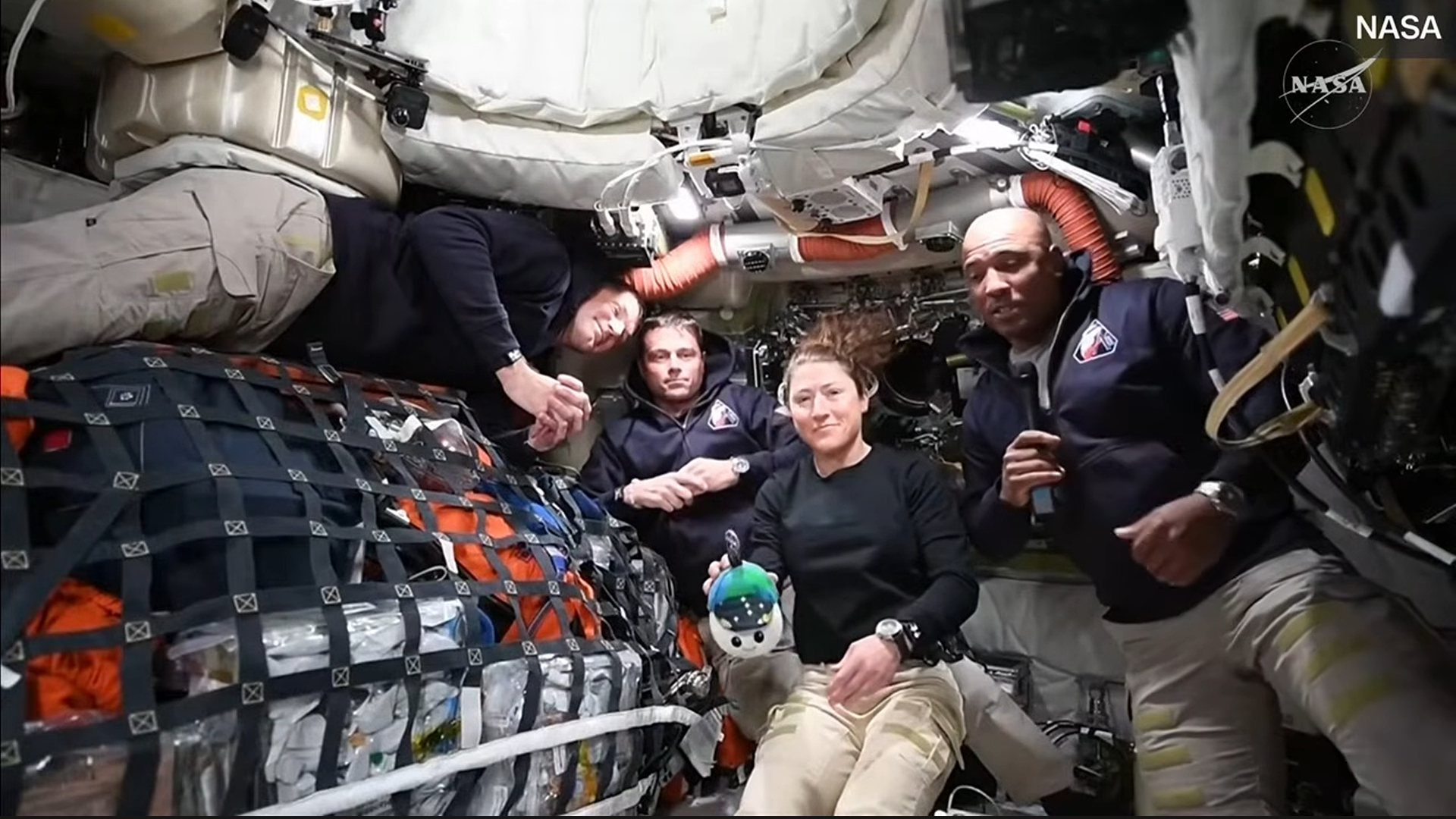 'Trust us; you look amazing': Artemis II crewmembers share first message from space
-
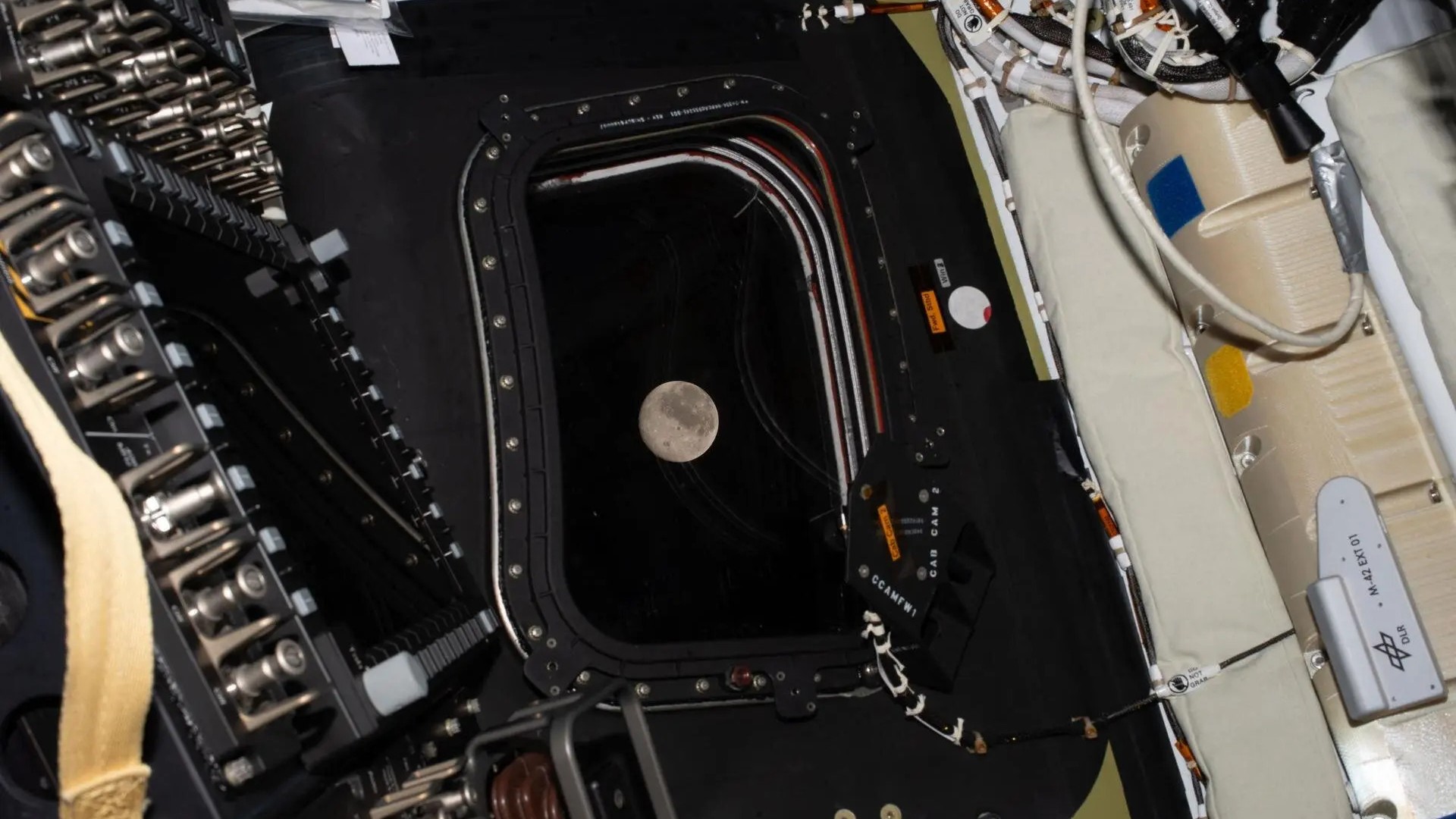 The Artemis II astronauts have just flown farther from Earth than any humans in history
"When we were on the far side of the moon, looking back at Earth, you really felt like you weren't in a capsule," said Artemis II mission specialist Jeremy Hansen. "You'd been transported to the far side of the moon. And it really just bent your mind. It was an extraordinary human experience. We're so grateful for it."
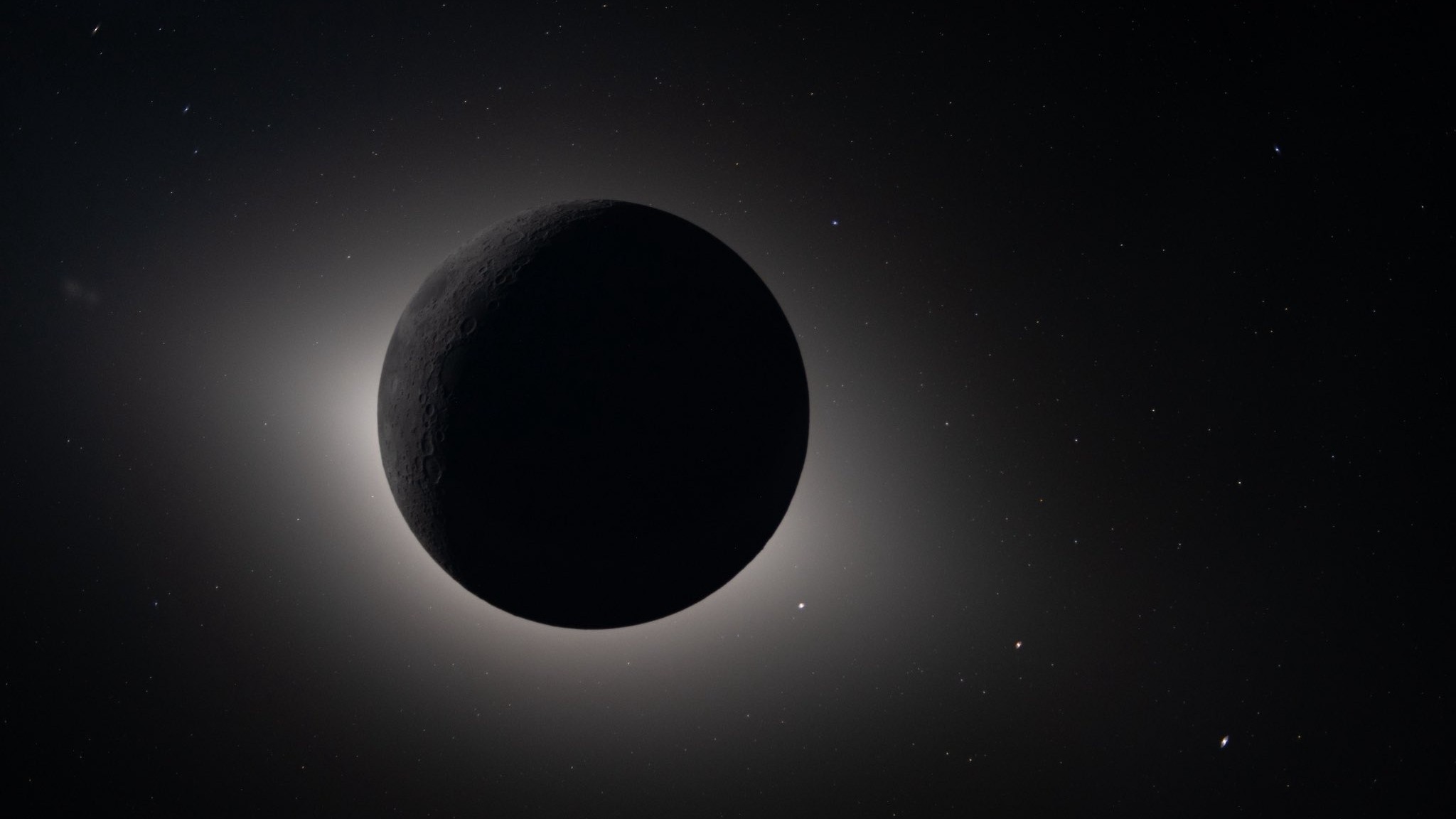
The Artemis II crewmembers are the first people in history to view a solar eclipse from behind the moon. Totality — the complete blocking of the sun by the lunar disk — lasted about one hour. During that time, the astronauts reported seeing bright planets (including Mars, Venus and Saturn) alongside the stars.
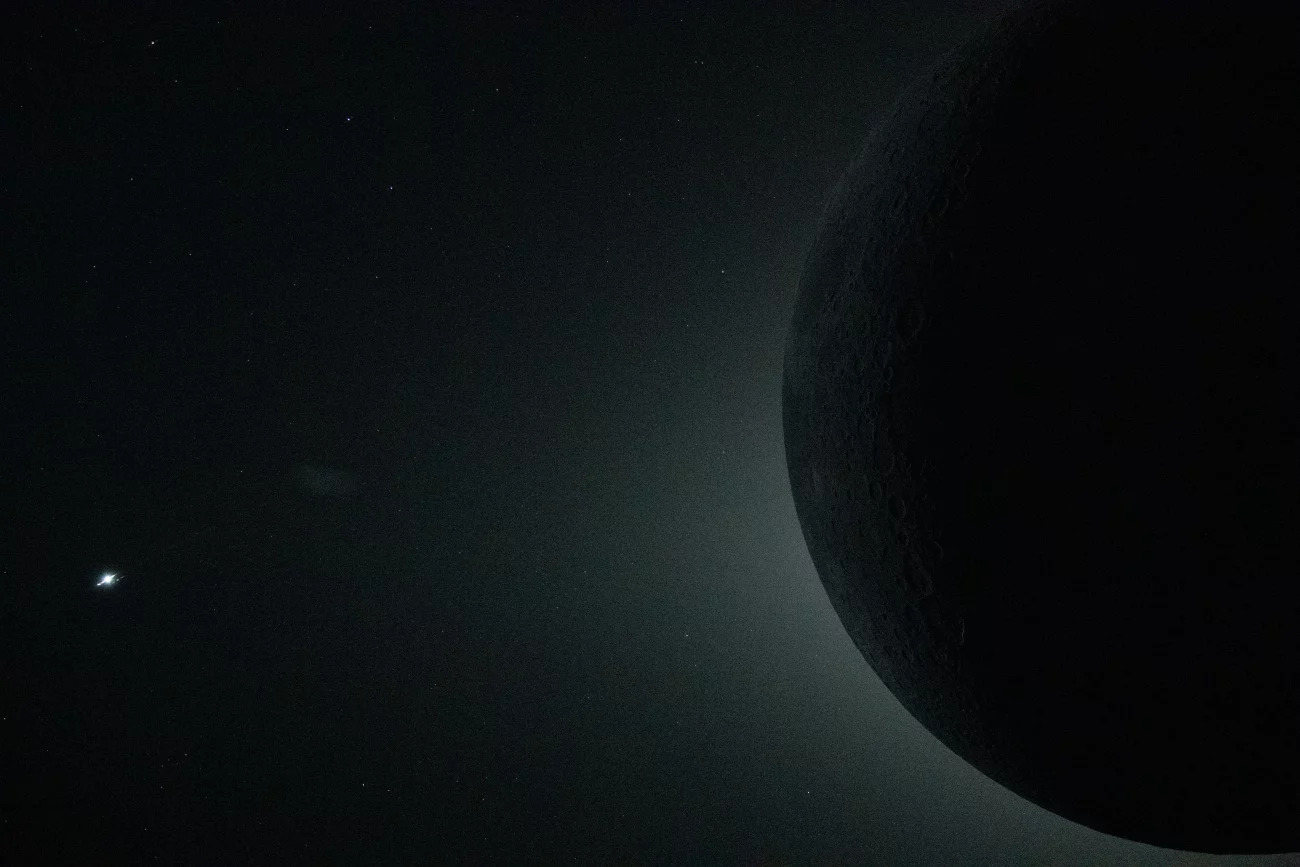
The faint glow of Earth's light and wisps of the sun's corona, which they described as "baby hairs," appeared on the edges of the lunar disk. (To safely view the sun's reappearance, the team wore solar eclipse glasses, just as we do on Earth.)
"This continues to be unreal," Artemis II pilot Victor Glover said at one point during the seven-hour flyby. "The sun has gone behind the moon, and the corona is still visible, and it's bright and creates a halo almost around the entire moon. The Earth is so bright out there, and the moon is just hanging in front of us."
Sign up for the Live Science daily newsletter nowContact me with news and offers from other Future brandsReceive email from us on behalf of our trusted partners or sponsorsBy submitting your information you agree to the Terms & Conditions and Privacy Policy and are aged 16 or over.
"You'd fall straight to the center of the moon"
The flyby made Glover, Hansen, mission specialist Christina Koch and commander Reid Wiseman the first people in history to see the entire lunar far side — a feat that was impossible during the Apollo missions due to those missions' flight paths.
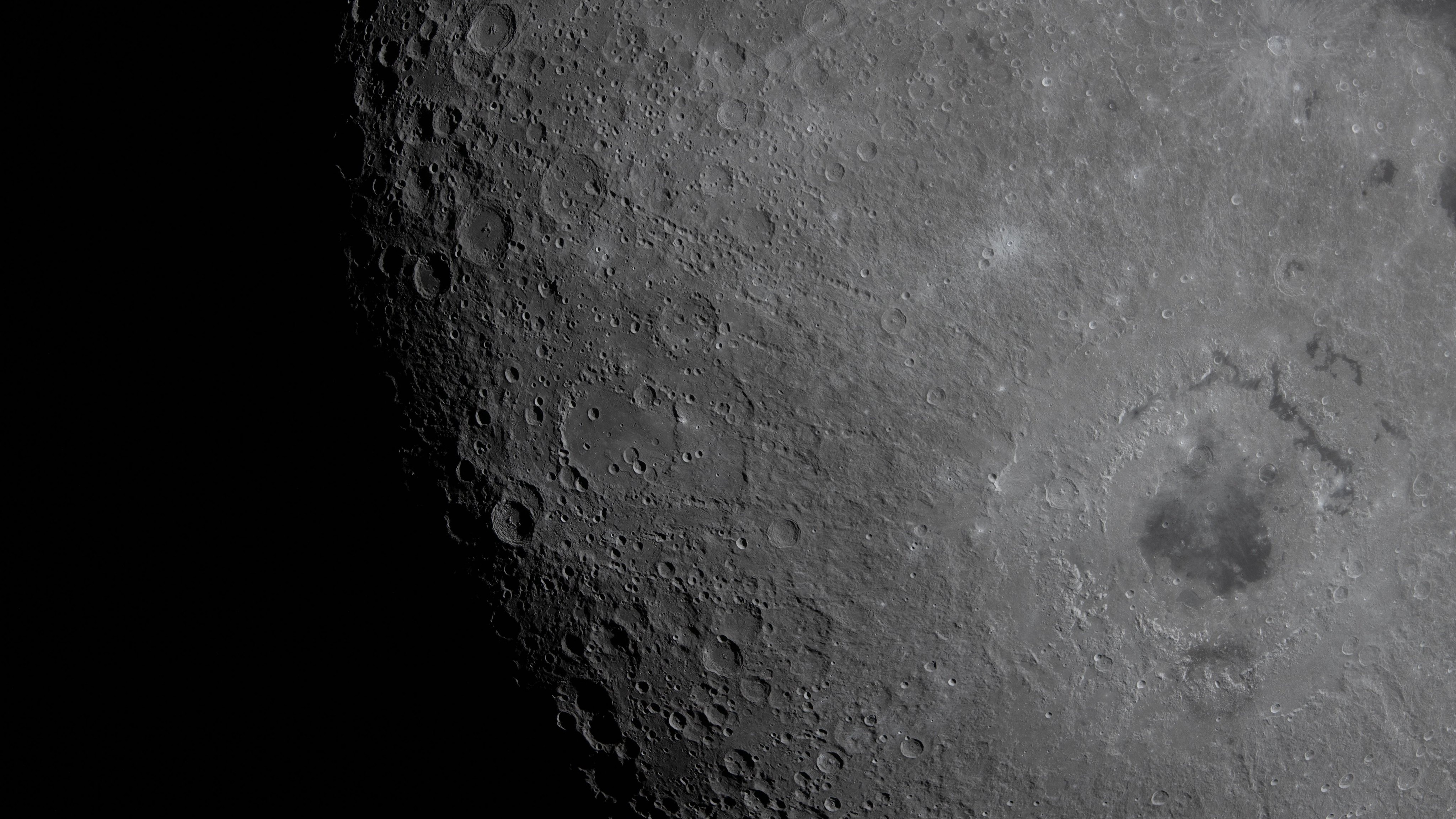
"Boy, I am loving the terminator," Glover called down to mission control, referring to the dividing line between day and light on the moon. "There's just so much magic in the terminator — the islands of light, the valleys that look like black holes. You'd fall straight to the center of the moon if you stepped in some of those. It's just so visually captivating."
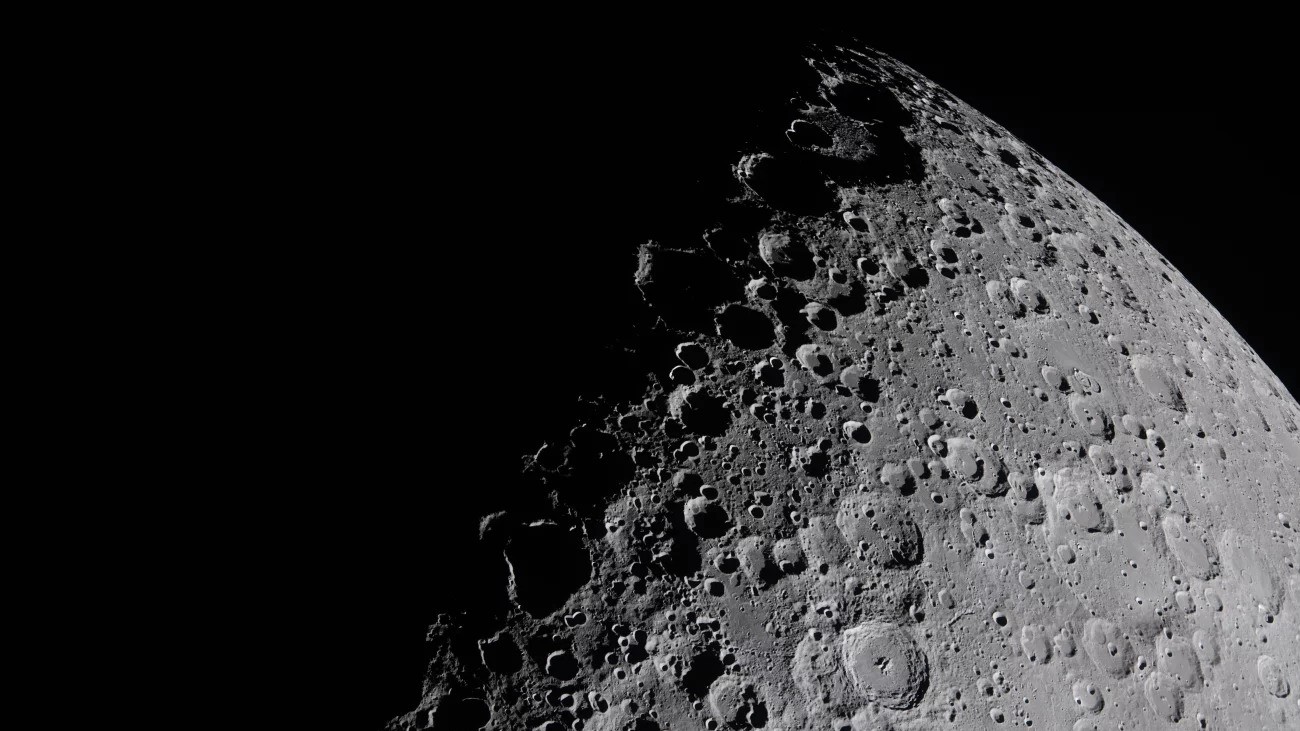
Near the terminator line, the team also discovered two new lunar craters, which they asked to be named Integrity, after the crew capsule's official call sign, and Carroll, in honor of Wiseman's late wife.
What to read next-
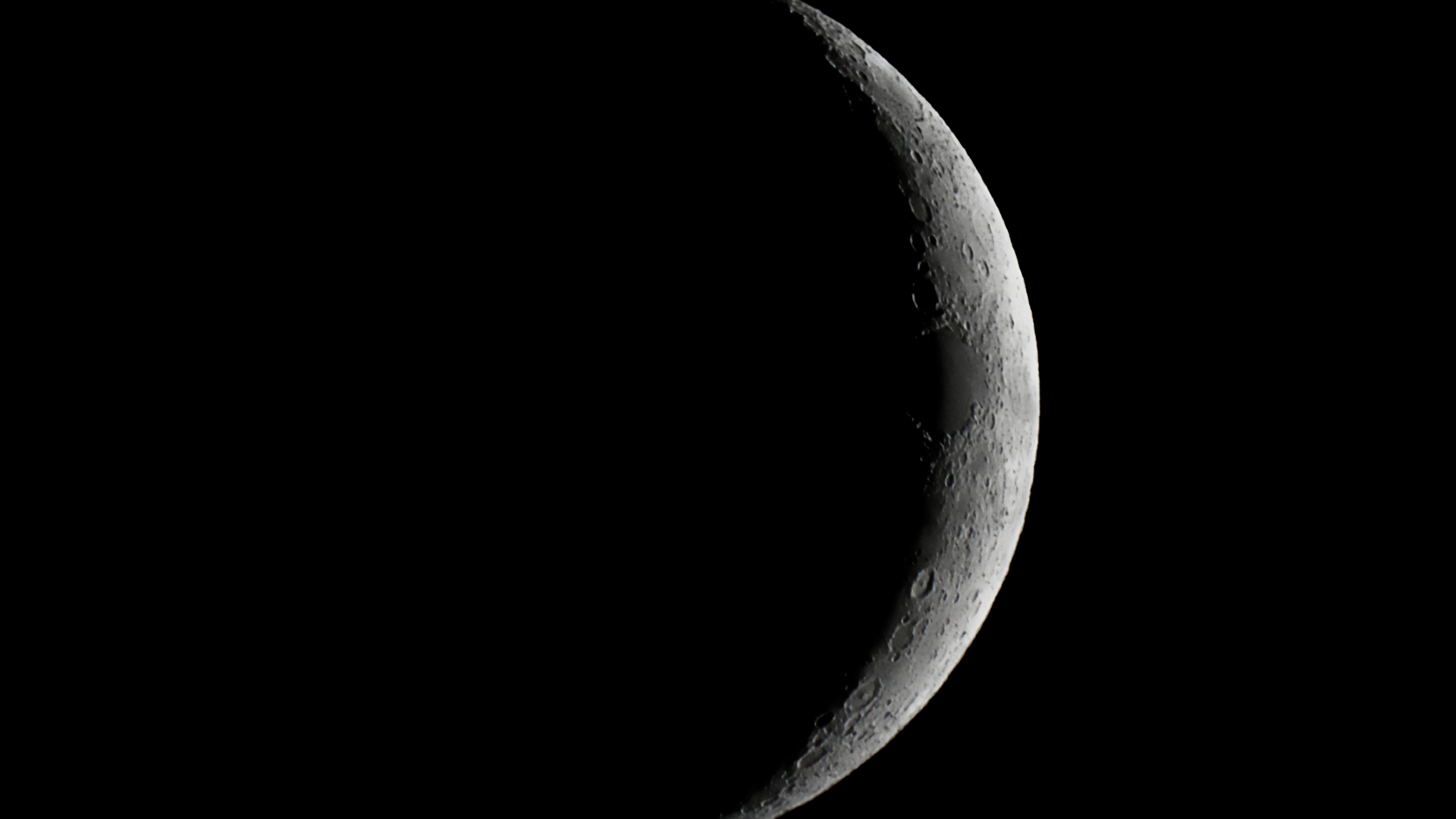 Artemis II moon flyby begins: How to watch and what to know
-
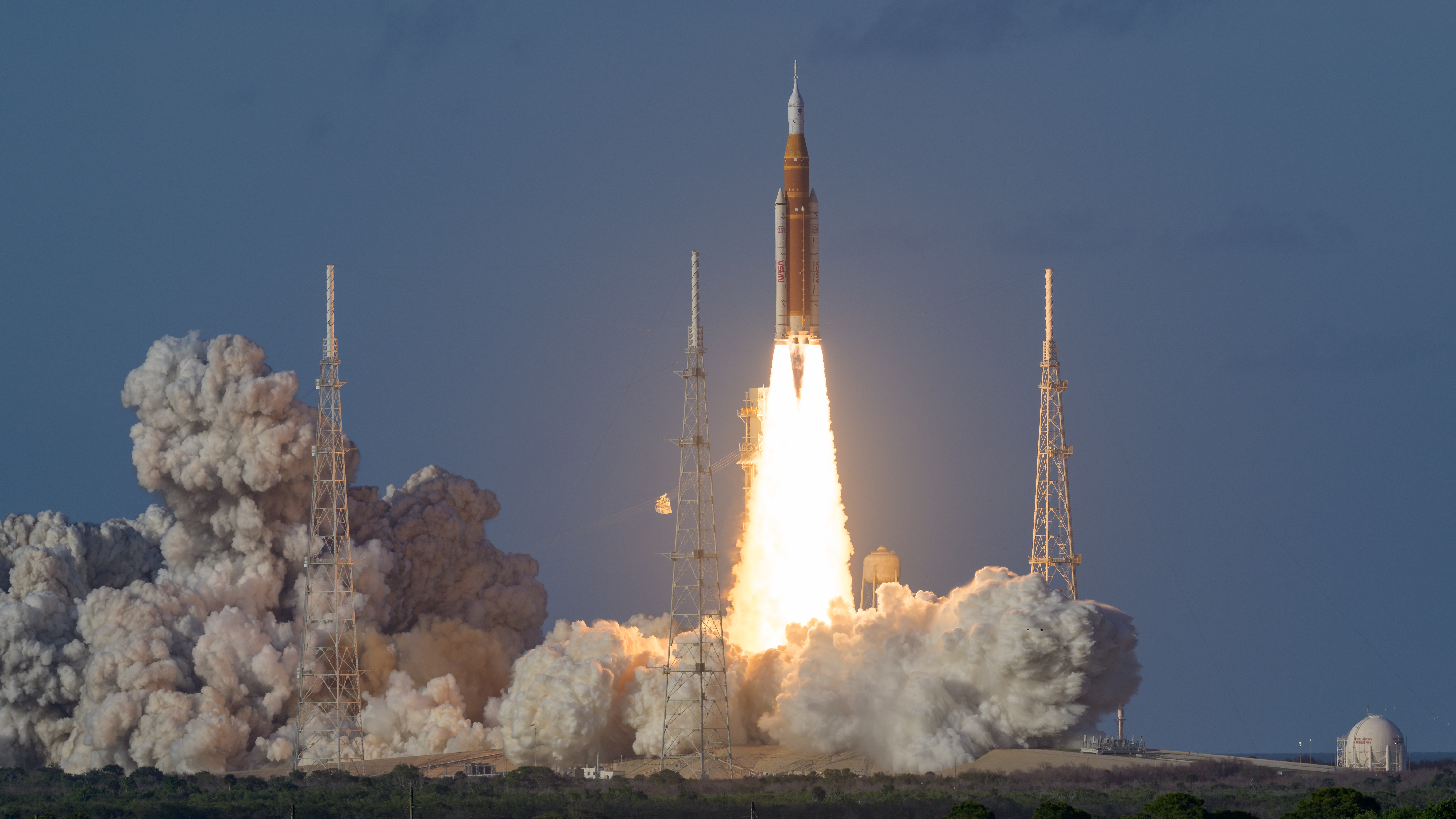 Artemis II blasts off: Humans are on their way back to the moon
-
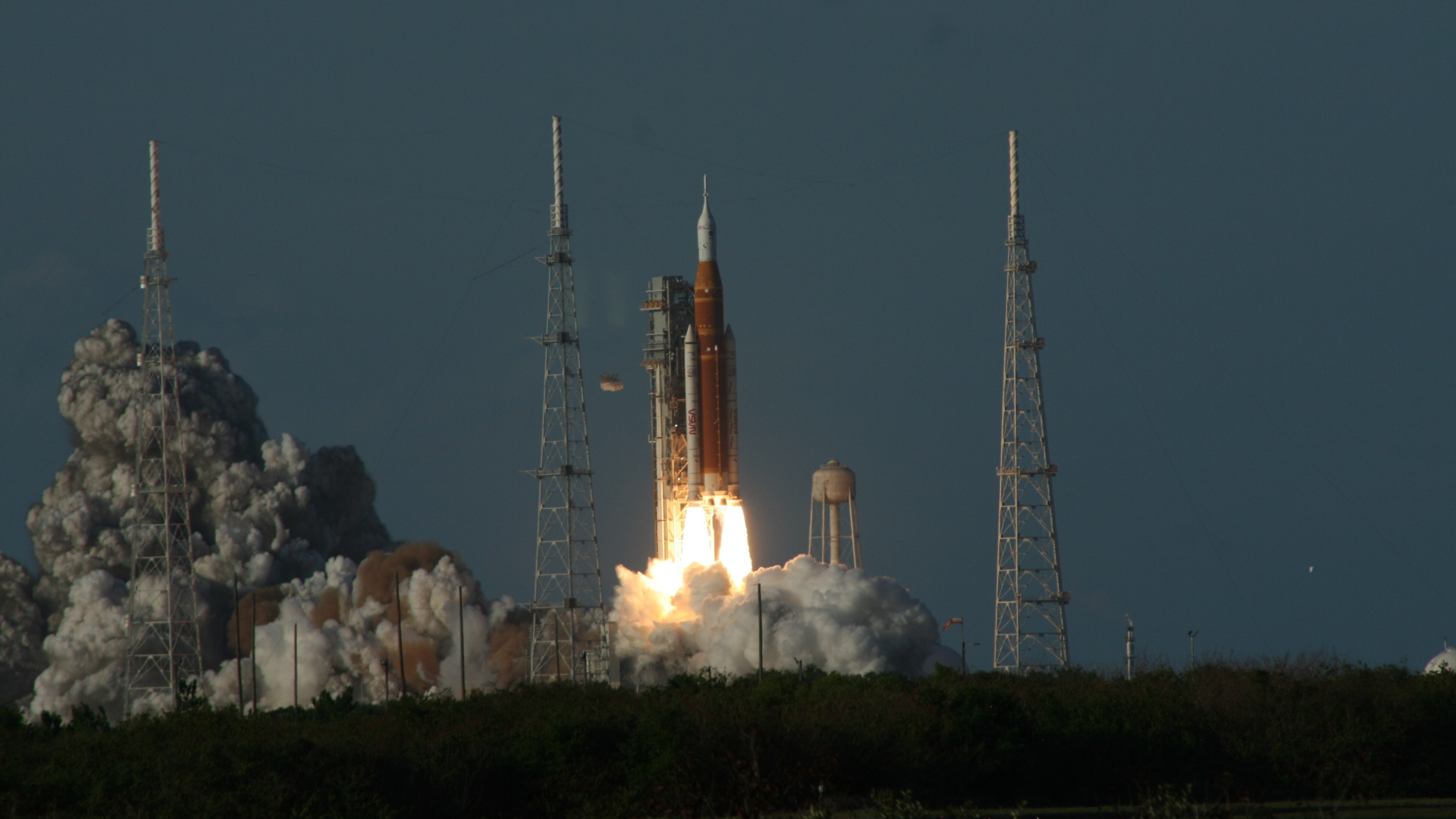 I've witnessed nearly 100 rocket launches. Artemis II was like nothing I've ever experienced.
- 'This generation's moment': How the Artemis missions will reframe humanity's relationship with the moon
- Artemis II: NASA is preparing for a return to the moon, but why is it going back?
- Farthest, fastest and most diverse: 6 major records the Artemis II astronauts will smash as NASA returns to the moon
During the flyby, the crew marveled over green and brown hues across the moon's surface, documenting the previously unseen craters and spotting new ones being made in the form of multiple impact flashes from meteors crashing into the lunar surface. All of these observations and the images they hand-captured with smartphones were fed back to NASA's lunar and planetary scientists to investigate important clues on how the moon and Earth came to be.
The flyby swung the astronauts out a maximum distance of 252,760 miles (406,777 kilometers) from Earth, breaking the previous record for the farthest humans in history by roughly 4,100 miles (6,600 km).
Much like the two dozen other astronauts who have been to the moon, the crew expressed that they felt changed by what they saw.
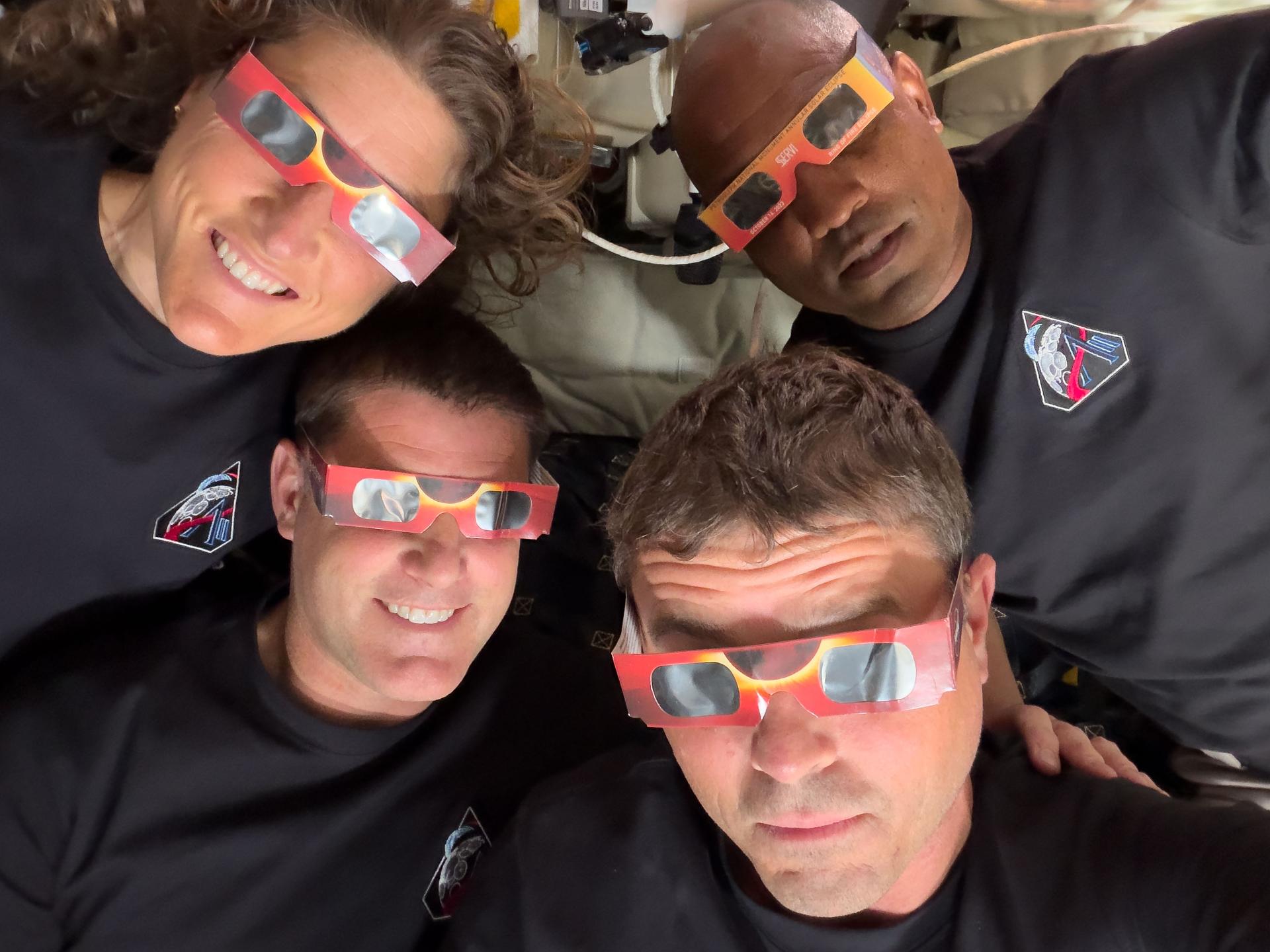
"When we have that perspective and we compare it to our home of Earth, it just reminds us how much we have in common," Koch said. "Everything we need, Earth provides. And that is somewhat of a miracle and one that you can't truly know until you've had the perspective of the other."
You can see the rest of the images in NASA's first release here.
TOPICS Artemis 2 Ben TurnerSocial Links NavigationActing Trending News Editor
Ben Turner is a U.K. based writer and editor at Live Science. He covers physics and astronomy, tech and climate change. He graduated from University College London with a degree in particle physics before training as a journalist. When he's not writing, Ben enjoys reading literature, playing the guitar and embarrassing himself with chess.
View MoreYou must confirm your public display name before commenting
Please logout and then login again, you will then be prompted to enter your display name.
Logout Read more
Space Exploration
In photos: Artemis II's historic launch for the moon
Space Exploration
'Trust us; you look amazing': Artemis II crewmembers share first message from space
Space Exploration
Artemis II blasts off: Humans are on their way back to the moon
Space Exploration
I've witnessed nearly 100 rocket launches. Artemis II was like nothing I've ever experienced.
 Space Exploration
NASA's historic Artemis II mission gets green light for flight as countdown begins
Space Exploration
NASA's historic Artemis II mission gets green light for flight as countdown begins
 The Moon
'Blood moon' total eclipse dazzles millions around the world (photos)
Latest in The Moon
The Moon
'Blood moon' total eclipse dazzles millions around the world (photos)
Latest in The Moon
 The Moon
'This generation's moment': How the Artemis missions will reframe humanity's relationship with the moon
The Moon
'This generation's moment': How the Artemis missions will reframe humanity's relationship with the moon
 The Moon
How to catch the full 'Pink Moon' in April followed by a 'Blue Moon' in May
The Moon
'Blood moon' total eclipse dazzles millions around the world (photos)
The Moon
How to catch the full 'Pink Moon' in April followed by a 'Blue Moon' in May
The Moon
'Blood moon' total eclipse dazzles millions around the world (photos)
 The Moon
Fresh look at Apollo moon rocks solves decades-old lunar mystery
The Moon
Fresh look at Apollo moon rocks solves decades-old lunar mystery
 The Moon
'Blood moon' total lunar eclipse: How to see the March 3 celestial spectacle from anywhere on Earth
The Moon
'Blood moon' total lunar eclipse: How to see the March 3 celestial spectacle from anywhere on Earth
 The Moon
The US will see a rare 'blood moon' eclipse before sunrise this March: Where and when to look
Latest in News
The Moon
The US will see a rare 'blood moon' eclipse before sunrise this March: Where and when to look
Latest in News
 Archaeology
DNA reveals ancestry of man buried in Stone Age monument in Spain, but his religion remains a mystery
Archaeology
DNA reveals ancestry of man buried in Stone Age monument in Spain, but his religion remains a mystery
 Health
AI 'mirages' mean tools used to analyze medical scans could fabricate their findings
Health
AI 'mirages' mean tools used to analyze medical scans could fabricate their findings
 Birds
World's fattest parrot — on the verge of extinction 30 years ago — has record-breaking breeding season
Space Exploration
The Artemis II astronauts have just flown farther from Earth than any humans in history
Space Exploration
Artemis II moon flyby begins: How to watch and what to know
Birds
World's fattest parrot — on the verge of extinction 30 years ago — has record-breaking breeding season
Space Exploration
The Artemis II astronauts have just flown farther from Earth than any humans in history
Space Exploration
Artemis II moon flyby begins: How to watch and what to know
 Health
AI-written code can beat humans at biomedical analysis, some studies find. What does that mean for the field?
LATEST ARTICLES
Health
AI-written code can beat humans at biomedical analysis, some studies find. What does that mean for the field?
LATEST ARTICLES 1'They are literally everywhere': The shocking story of how forever chemicals polluted the world
- 2DNA reveals ancestry of man buried in Stone Age monument in Spain, but his religion remains a mystery
- 3'So much magic': Artemis II shares first images from the far side of the moon, including new 'Earthset' and total eclipse in space
- 4AI 'mirages' mean tools used to analyze medical scans could fabricate their findings
- 5World's fattest parrot — on the verge of extinction 30 years ago — has record-breaking breeding season