- Archaeology
In the Middle Ages, a man was buried in a Stone Age monument in what is now Spain. Now, we finally know his genetic roots, but his religious beliefs are still a mystery.
When you purchase through links on our site, we may earn an affiliate commission. Here’s how it works.
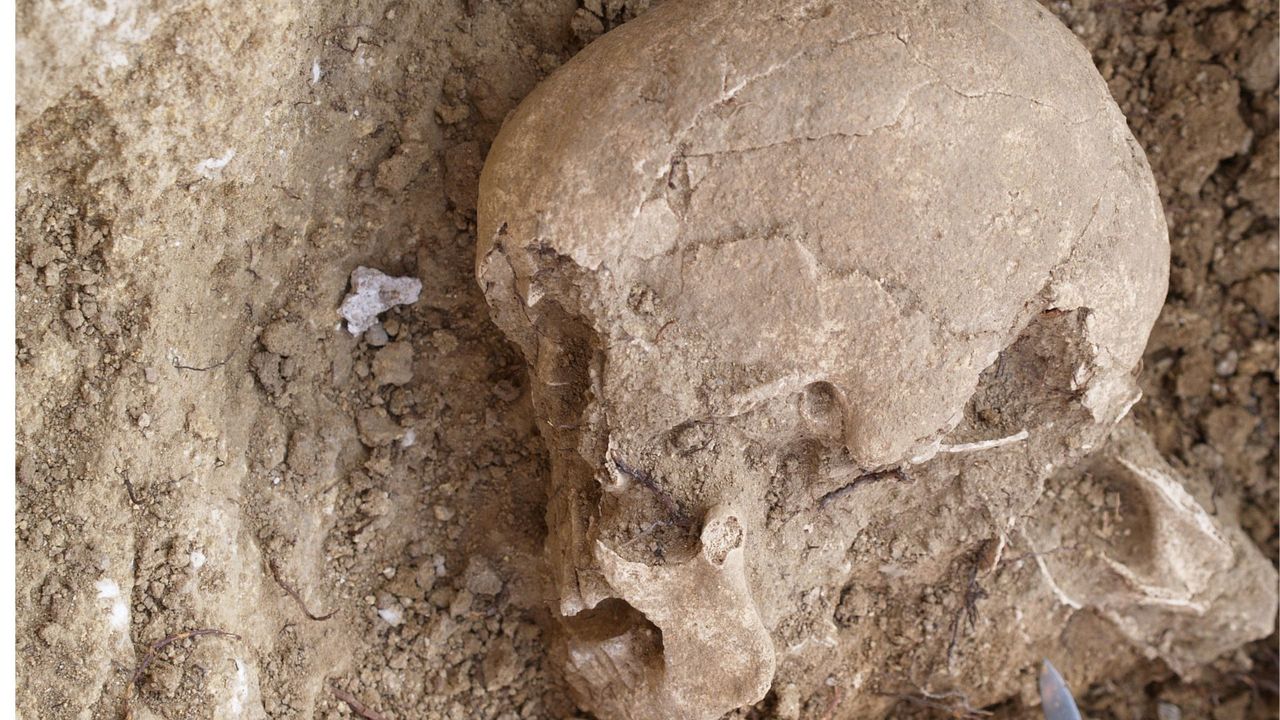
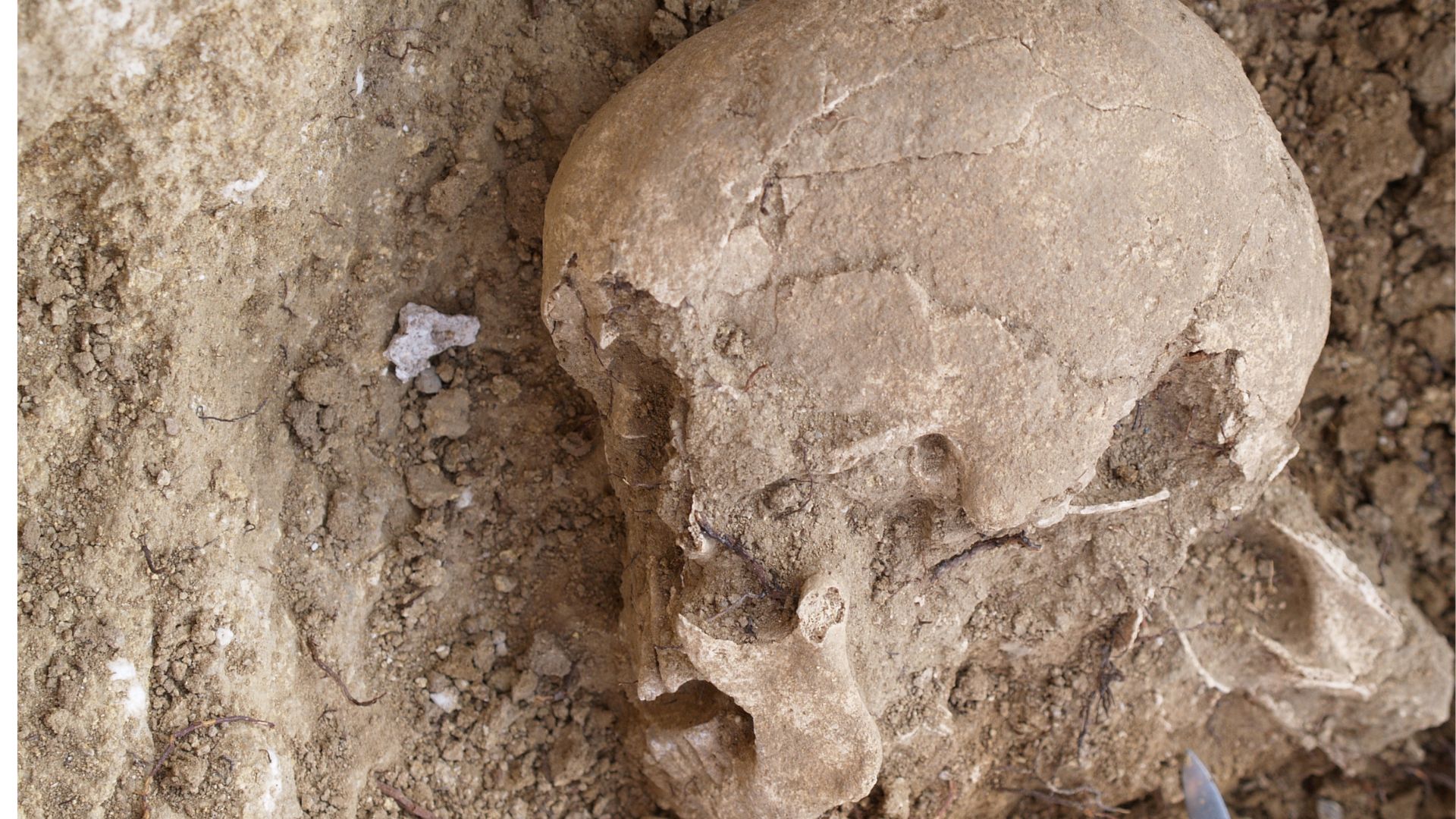 A skull from one of the burials that dates to the Middle Ages, millennia after the Stone Age monument was built.
(Image credit: Juan Moreno, courtesy of research group ATLAS, University of Sevilla)
A skull from one of the burials that dates to the Middle Ages, millennia after the Stone Age monument was built.
(Image credit: Juan Moreno, courtesy of research group ATLAS, University of Sevilla)
- Copy link
- X
Get the world’s most fascinating discoveries delivered straight to your inbox.
Become a Member in Seconds
Unlock instant access to exclusive member features.
Contact me with news and offers from other Future brands Receive email from us on behalf of our trusted partners or sponsors By submitting your information you agree to the Terms & Conditions and Privacy Policy and are aged 16 or over.You are now subscribed
Your newsletter sign-up was successful
Want to add more newsletters?

Delivered Daily
Daily Newsletter
Sign up for the latest discoveries, groundbreaking research and fascinating breakthroughs that impact you and the wider world direct to your inbox.
Signup +
Once a week
Life's Little Mysteries
Feed your curiosity with an exclusive mystery every week, solved with science and delivered direct to your inbox before it's seen anywhere else.
Signup +
Once a week
How It Works
Sign up to our free science & technology newsletter for your weekly fix of fascinating articles, quick quizzes, amazing images, and more
Signup +
Delivered daily
Space.com Newsletter
Breaking space news, the latest updates on rocket launches, skywatching events and more!
Signup +
Once a month
Watch This Space
Sign up to our monthly entertainment newsletter to keep up with all our coverage of the latest sci-fi and space movies, tv shows, games and books.
Signup +
Once a week
Night Sky This Week
Discover this week's must-see night sky events, moon phases, and stunning astrophotos. Sign up for our skywatching newsletter and explore the universe with us!
Signup +Join the club
Get full access to premium articles, exclusive features and a growing list of member rewards.
Explore An account already exists for this email address, please log in. Subscribe to our newsletterIn medieval Spain, two men were buried in a prehistoric stone monument that had been constructed millennia earlier. Now, a new analysis of these burials is revealing clues about their ancestry but also leaving some mysteries, such as which religion they practiced.
For example, one of the men was related not only to European populations but also to people living in the Middle East and North Africa, including two people who are still alive today, according to the new genetic analysis.
Article continues below You may like-
 5,500 years ago, a teenage girl was buried with her father's bones on her chest, new DNA study reveals
-
 Subterranean tunnel, possibly used for medieval cult rituals, discovered in Stone Age tomb in Germany
-
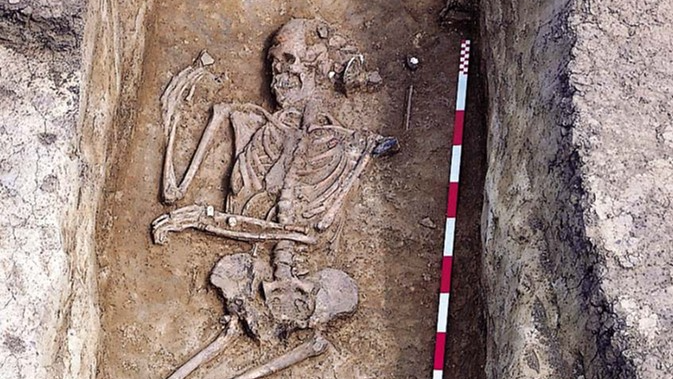 Stone Age woman was buried like a man, revealing flexible gender roles 7,000 years ago in Hungary
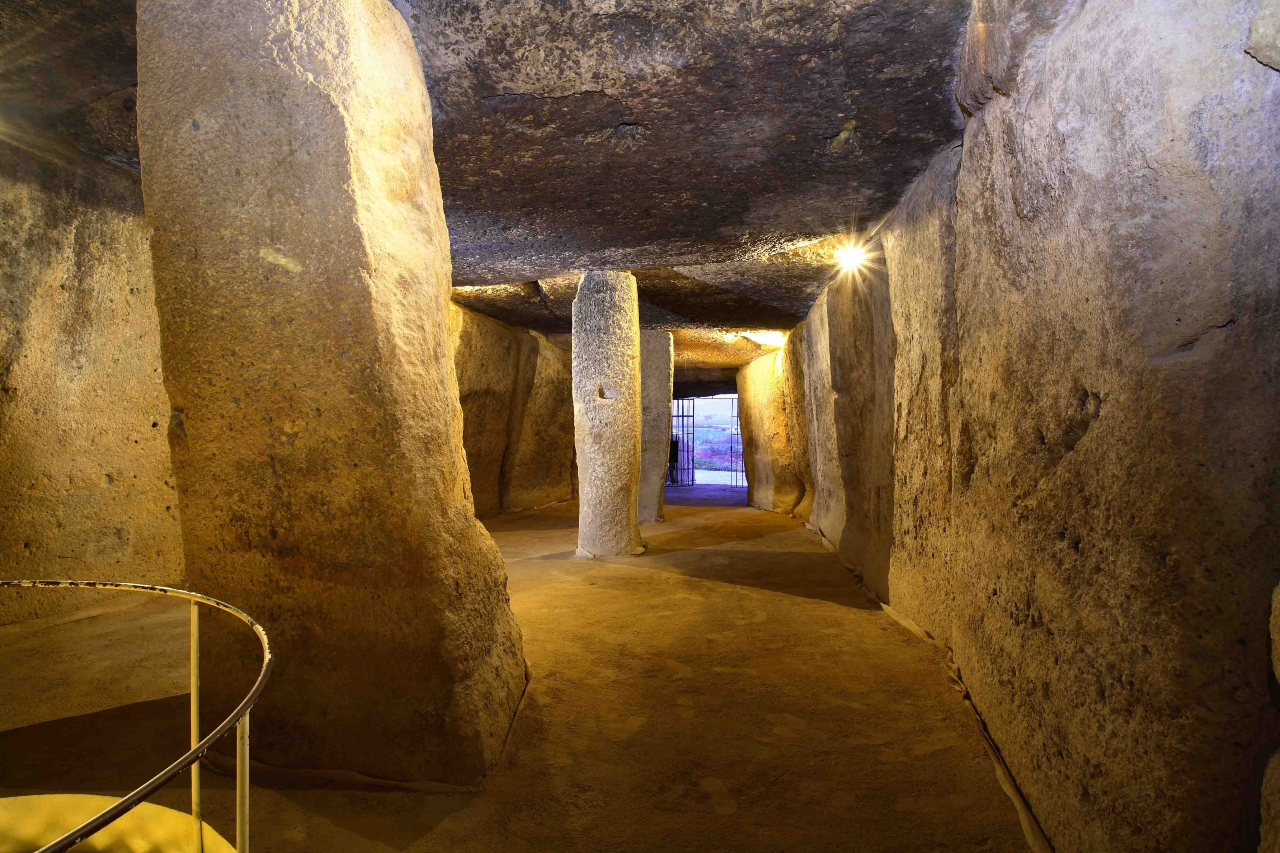
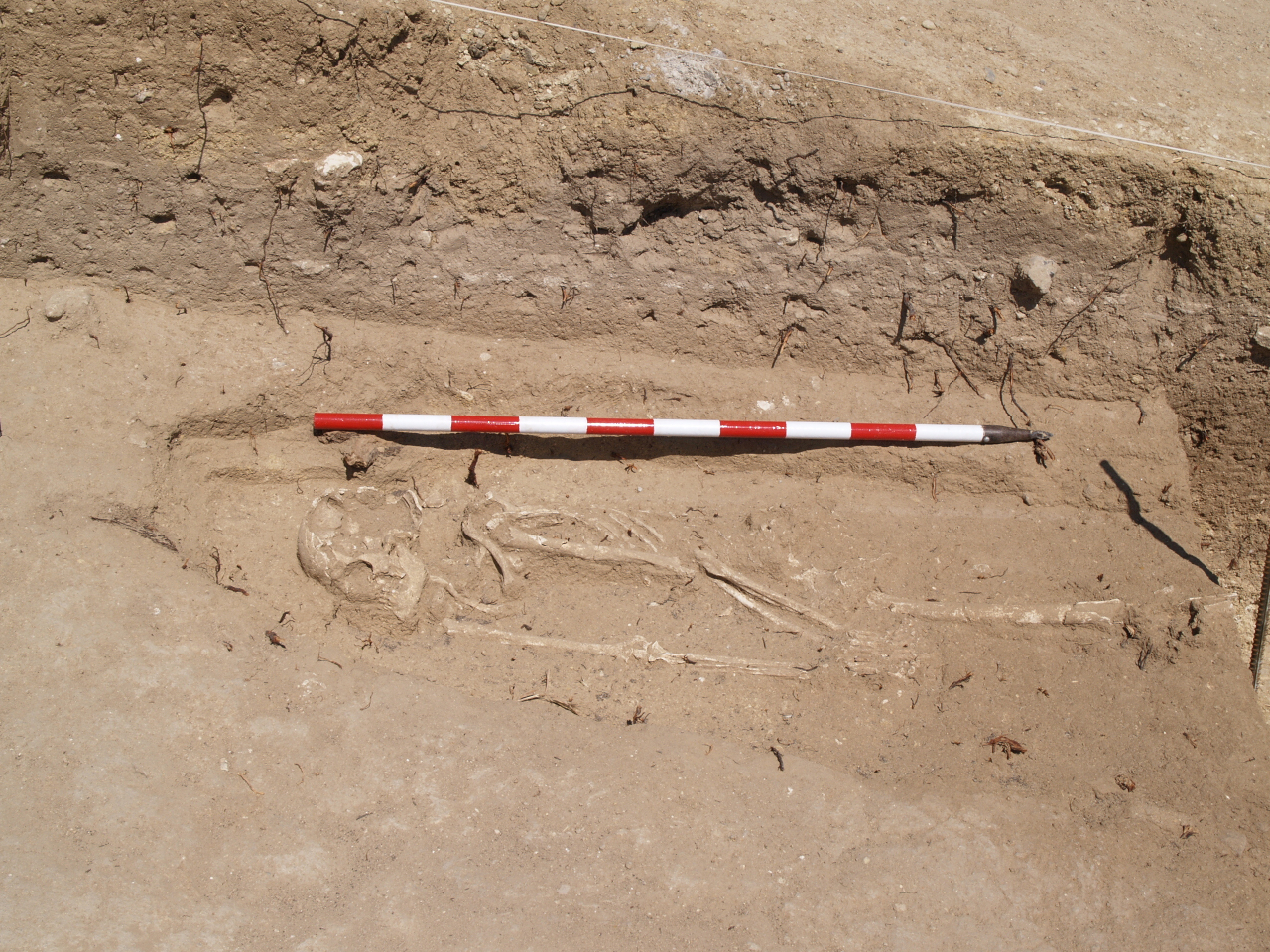
In 2005, archaeologists unexpectedly found two additional burials within its atrium: one dating to around the eighth century or ninth century A.D. and another from around the 10th or 11th century, researchers wrote in a paper published in the February issue of the Journal of Archaeological Science: Reports.
Analysis of the remains found that the 10th- or 11th-century burial is of a man who was over 45 years old when he died. DNA tests showed that he had a mix of European, North African and Middle Eastern ancestry, the team found. The man's Y-chromosome lineage matches one that "has been present in Spain since at least the Chalcolithic," or Copper Age (3200 to 2200 B.C.) in Iberia, the researchers wrote in the new study.
When looking at this individual's maternal lineage through his mitochondrial DNA, the researchers found that it matched one from Europe that has been known in Iberia since the Early Neolithic but is also found in modern-day northwest Africa. In fact, the medieval man shares a specific mutation with two modern-day African individuals in a genetic database — one in Morocco and another in Algeria.
It's not surprising to find North African genes in a medieval man buried in Spain, the researchers wrote, noting that North African ancestry was "widespread" in southern Iberia from at least the third to fourth century, "probably connected with regular movement of people across the Mediterranean potentiated by Greek, Phoenician, and Carthaginian trade and, later, the Roman Empire," they wrote in the study.
Sign up for the Live Science daily newsletter nowContact me with news and offers from other Future brandsReceive email from us on behalf of our trusted partners or sponsorsBy submitting your information you agree to the Terms & Conditions and Privacy Policy and are aged 16 or over.
From the eighth to the 11th century, when these medieval men were buried at the Dolmen de Menga, southern Spain was part of Al-Andalus, a Muslim kingdom in Iberia. A variety of religions — including Islam, Christianity, Judaism and paganism — were practiced within this kingdom, the team wrote in the paper.
"With the onset of the Islamic period in 711 CE, contacts with North Africa were probably more frequent, enabled by political events and shared cultural practices," the researchers wrote in the study.
The eighth- or ninth-century burial also appears to be of a man who was more than 45 years old, but his DNA was too fragmented for analysis; the researchers wrote that there was even an "intrusion of roots into some of the bones."
What to read next-
 Stone Age boy in Sweden was buried in deerskin and a woodpecker headdress, archaeologists discover
-
 'More advanced' farming women married hunter-gatherer men in Europe thousands of years ago, ancient DNA reveals
-
 Stone Age teenager was mauled by a bear 28,000 years ago, skeletal analysis confirms
Religion unknown
Both individuals were buried in simple pits with no grave goods. "Their heads were lying on their right side, pointing to the southwest — in line with the monument's axis of symmetry — with their faces looking southeast," in the direction of Mecca, the team wrote in the study.
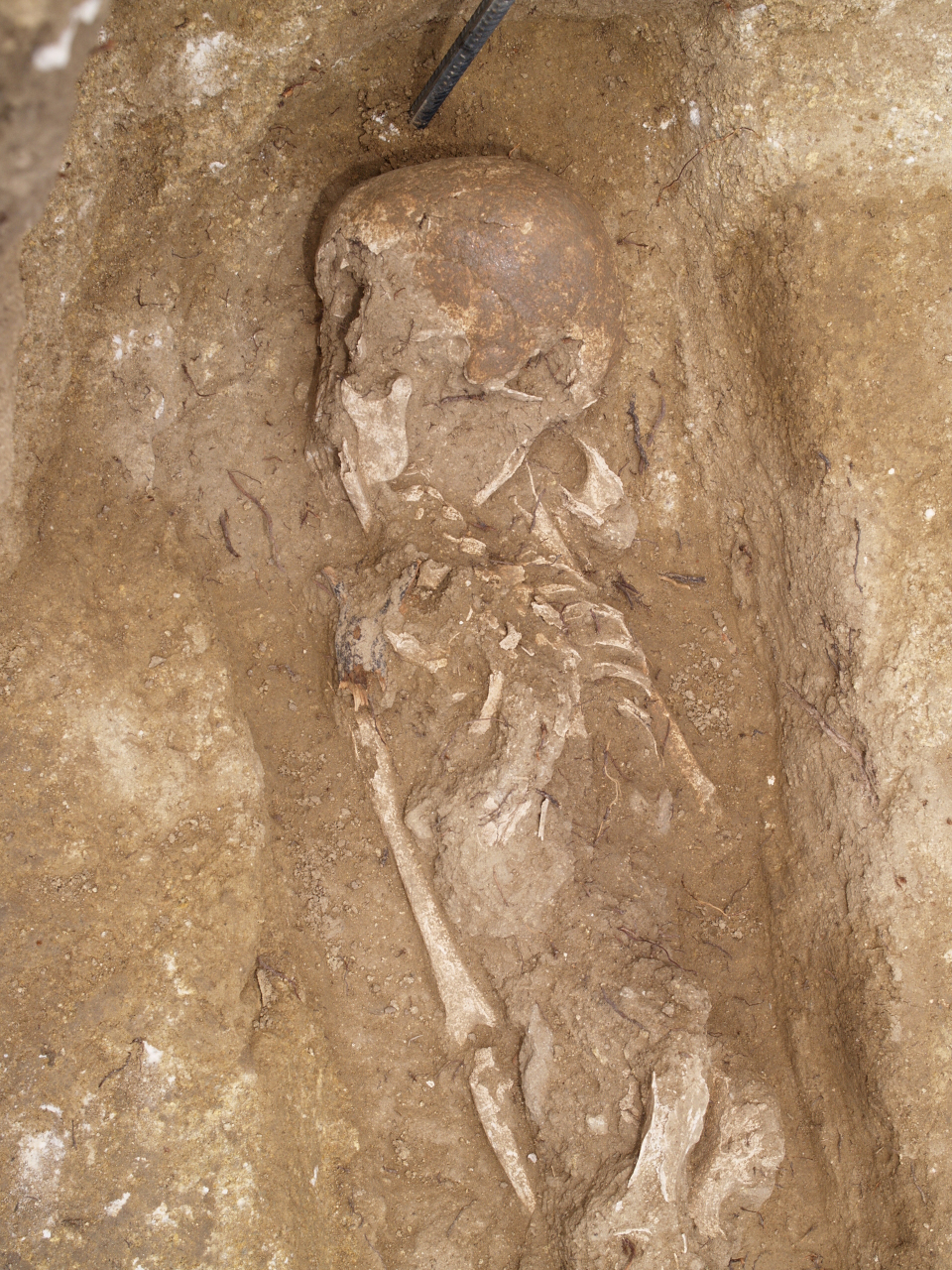
The "apparent symbolic alignment of the inhumations with the axis of symmetry of the Menga megalithic monument contrasts with Islamic necropolises in the area," the researchers wrote. The direction of the heads aligning with the dolmen itself is different from the other burials, study co-author Leonardo García Sanjuán, a professor in the Department of Prehistory and Archaeology at the University of Seville, told Live Science in an email
This leaves the question of which religion these two people practiced.
The "fact that both individuals were buried at the entrance of a monument which already at their time was extremely old, and with their heads pointing towards the interior of it, may be significant, indicating that these two men revered the dolmen," García Sanjuán said. "Altogether, this suggests that their world view may have been a mixture of Islamic and pagan [beliefs]."
Leonor Rocha, an archaeology professor at the University of Évora in Portugal who was not involved in the study, told Live Science that it "seems very interesting to me, especially because they have preserved bones and because of the DNA analysis." Rocha noted that the Alentejo region of southern Portugal also has evidence that people reused prehistoric megalithic monuments for burials during the Middle Ages, but no bones have been found there.
"In the Alentejo region, we have some evidence of reuse from that period, but unfortunately without preserved bones," Rocha said in an email.
RELATED STORIES- 5,000-year-old stone tomb discovered in Spain is 43 feet long — and it holds many prehistoric burials
- The 'Spanish Stonehenge' is above water for the first time in 50 years
- Arthur's Stone: A 5,700-year-old monument in England linked to the legend of King Arthur
It's possible that medieval people interpreted the dolmen as a cave, Yves Gleize, an archaeologist and biological anthropologist at the National Institute for Preventive Archaeological Research and the University of Bordeaux, told Live Science.
In the Muslim "world, the cave is an important place; for example, the prophet received the first revelations in the cave of Hira [near Mecca]," Gleize, who was not involved in the study, said in an email. He noted that caves were sometimes used as places of spiritual retreat.
Gleize added that he is interested in hearing more about the orientation of the burials and thinks it is best to be cautious about assigning them a specific religion.
Article SourcesSilva, M., Sanjuán, L. G., Fichera, A., Oteo-García, G., Foody, M. B., Rodríguez, L. E. F., Pendón, V. N., Bennison, A. K., Pala, M., Soares, P., Reich, D., Edwards, C. J., & Richards, M. B. (2025). Genetic and historical perspectives on the early medieval inhumations from the Menga dolmen, Antequera (Spain). Journal of Archaeological Science Reports, 69, 105559. https://doi.org/10.1016/j.jasrep.2025.105559
 Owen JarusSocial Links NavigationLive Science Contributor
Owen Jarus is a regular contributor to Live Science who writes about archaeology and humans' past. He has also written for The Independent (UK), The Canadian Press (CP) and The Associated Press (AP), among others. Owen has a bachelor of arts degree from the University of Toronto and a journalism degree from Ryerson University.
View MoreYou must confirm your public display name before commenting
Please logout and then login again, you will then be prompted to enter your display name.
Logout Read more
Archaeology
5,500 years ago, a teenage girl was buried with her father's bones on her chest, new DNA study reveals
Archaeology
Subterranean tunnel, possibly used for medieval cult rituals, discovered in Stone Age tomb in Germany
Archaeology
Stone Age woman was buried like a man, revealing flexible gender roles 7,000 years ago in Hungary
Archaeology
Stone Age boy in Sweden was buried in deerskin and a woodpecker headdress, archaeologists discover
Archaeology
'More advanced' farming women married hunter-gatherer men in Europe thousands of years ago, ancient DNA reveals
Archaeology
Stone Age teenager was mauled by a bear 28,000 years ago, skeletal analysis confirms
Latest in Archaeology
 Archaeology
Ancient children's teeth reveal a syphilis-like disease was spreading in Vietnam 4,000 years ago
Archaeology
Ancient children's teeth reveal a syphilis-like disease was spreading in Vietnam 4,000 years ago
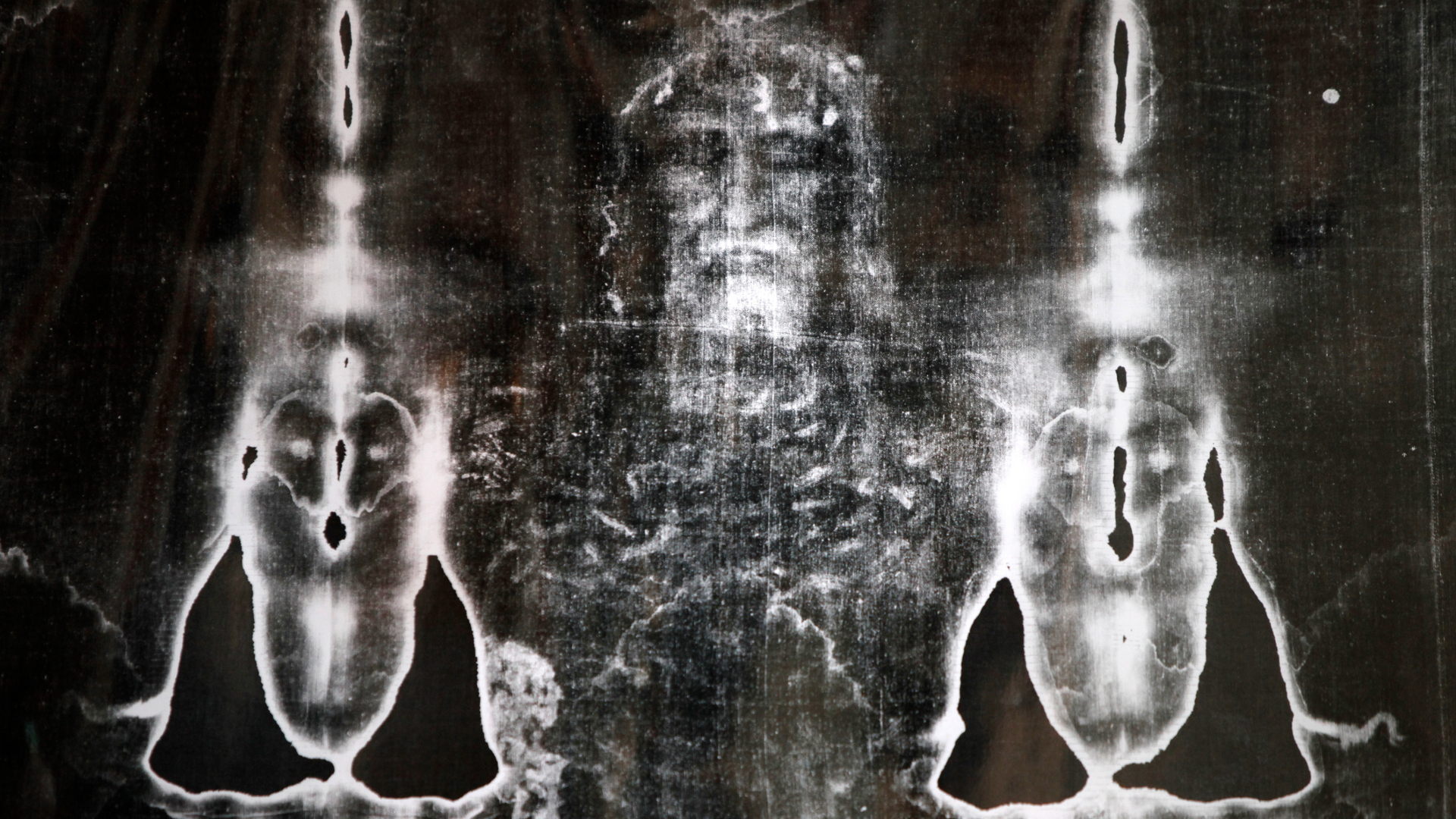 Archaeology
Shroud of Turin, claimed to be Jesus' burial cloth, contaminated with carrot and red coral DNA
Archaeology
Shroud of Turin, claimed to be Jesus' burial cloth, contaminated with carrot and red coral DNA
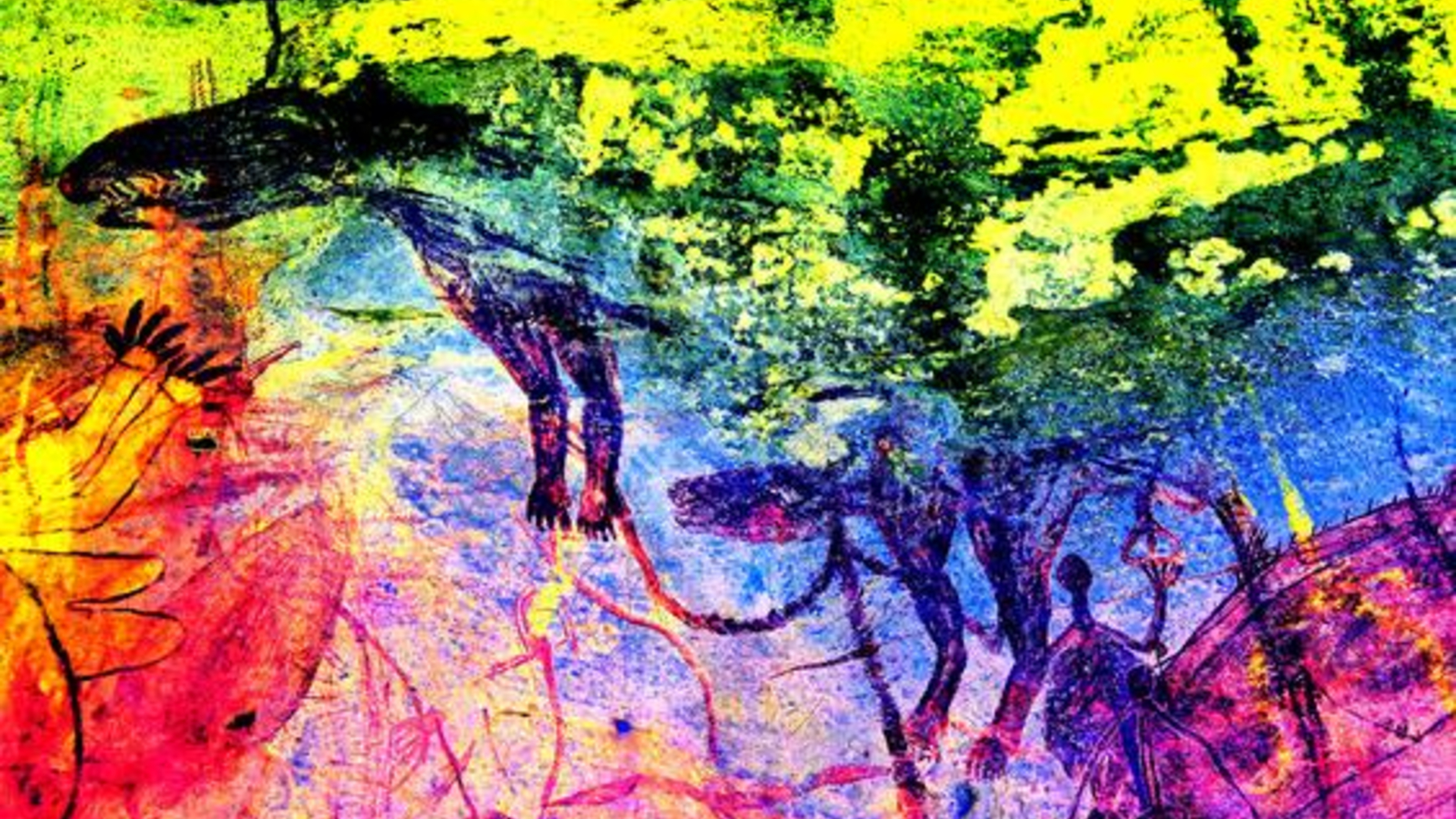 Archaeology
Tasmanian tigers discovered in Indigenous rock art in Australia, suggesting these marsupials lived there much longer than thought
Archaeology
Tasmanian tigers discovered in Indigenous rock art in Australia, suggesting these marsupials lived there much longer than thought
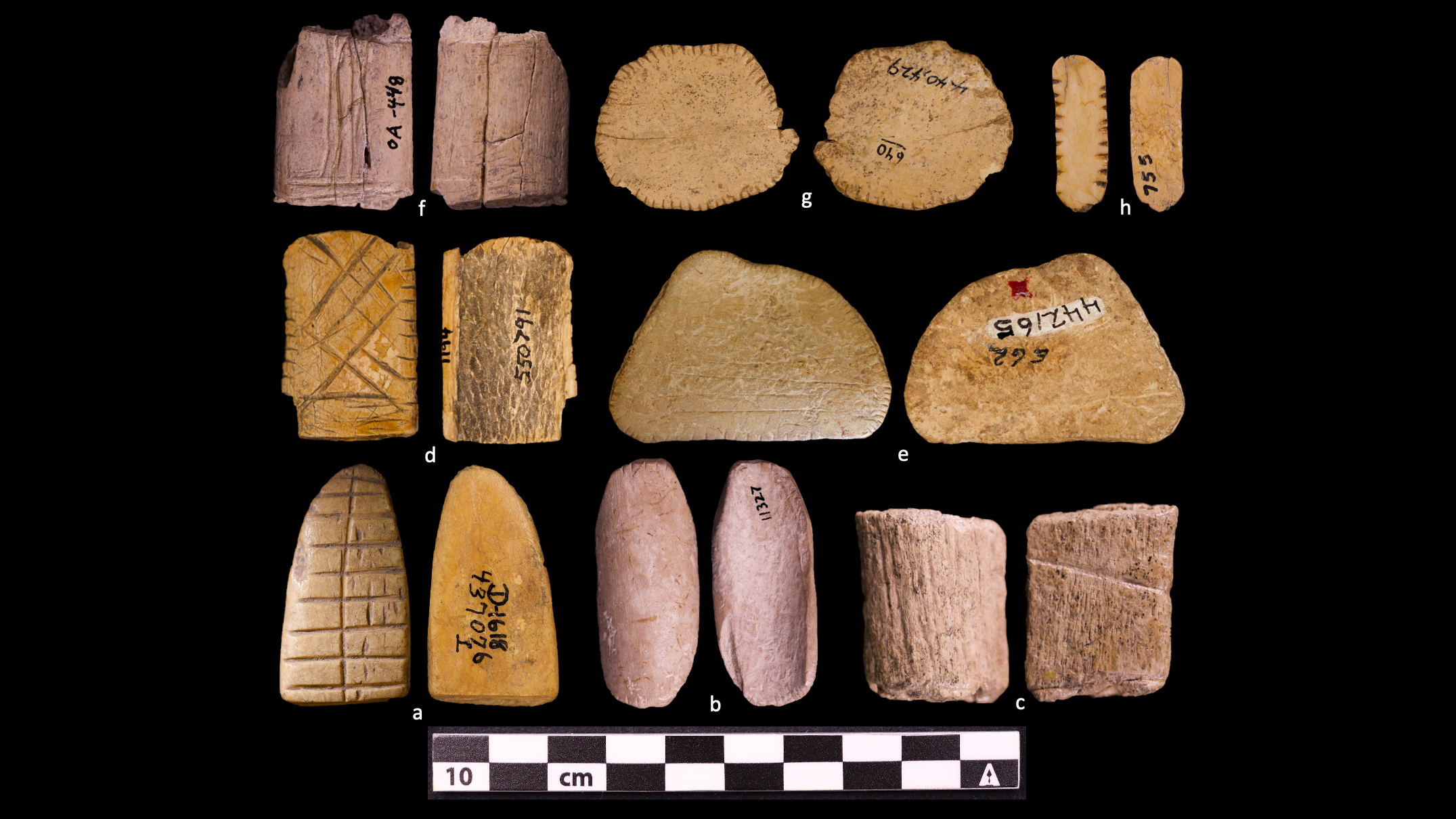 The Americas
Native Americans invented dice and games of chance more than 12,000 years ago, archaeological study reveals
The Americas
Native Americans invented dice and games of chance more than 12,000 years ago, archaeological study reveals
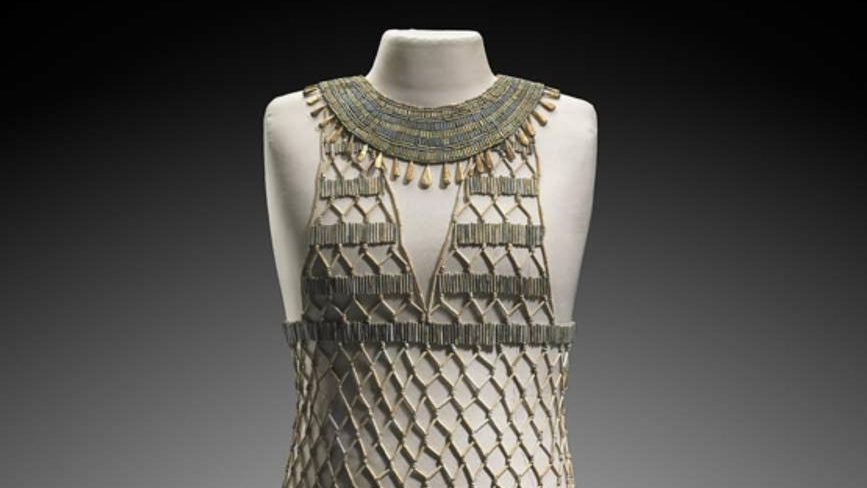 Ancient Egyptians
Beadnet dress: A 4,500-year-old ancient Egyptian funeral 'gown' that was in vogue during the Old Kingdom
Ancient Egyptians
Beadnet dress: A 4,500-year-old ancient Egyptian funeral 'gown' that was in vogue during the Old Kingdom
 Neanderthals
'Major disruption in Neanderthal history': 65,000 years ago, all Neanderthals in Europe died out except for one lineage
Latest in News
Neanderthals
'Major disruption in Neanderthal history': 65,000 years ago, all Neanderthals in Europe died out except for one lineage
Latest in News
 The Moon
'So much magic': Artemis II shares first images from the far side of the moon, including new 'Earthset' and total eclipse in space
The Moon
'So much magic': Artemis II shares first images from the far side of the moon, including new 'Earthset' and total eclipse in space
 Health
AI 'mirages' mean tools used to analyze medical scans could fabricate their findings
Health
AI 'mirages' mean tools used to analyze medical scans could fabricate their findings
 Birds
World's fattest parrot — on the verge of extinction 30 years ago — has record-breaking breeding season
Birds
World's fattest parrot — on the verge of extinction 30 years ago — has record-breaking breeding season
 Space Exploration
The Artemis II astronauts have just flown farther from Earth than any humans in history
Space Exploration
The Artemis II astronauts have just flown farther from Earth than any humans in history
 Space Exploration
Artemis II moon flyby begins: How to watch and what to know
Space Exploration
Artemis II moon flyby begins: How to watch and what to know
 Health
AI-written code can beat humans at biomedical analysis, some studies find. What does that mean for the field?
LATEST ARTICLES
Health
AI-written code can beat humans at biomedical analysis, some studies find. What does that mean for the field?
LATEST ARTICLES- 1AI 'mirages' mean tools used to analyze medical scans could fabricate their findings
- 2World's fattest parrot — on the verge of extinction 30 years ago — has record-breaking breeding season
- 3California declared war on smog in the 1970s. The knock-on effects were huge.
- 4Laifen Wave Pro electric toothbrush review: A perfect all-rounder
- 5Physicists moved volatile antimatter by truck for the first time ever — paving the way for groundbreaking new research