- Space
- Space Exploration
From spectacular views of Earth to a unique total solar eclipse, Artemis II's most breathtaking images tell the story of humanity's return to deep space after more than 50 years.
When you purchase through links on our site, we may earn an affiliate commission. Here’s how it works.
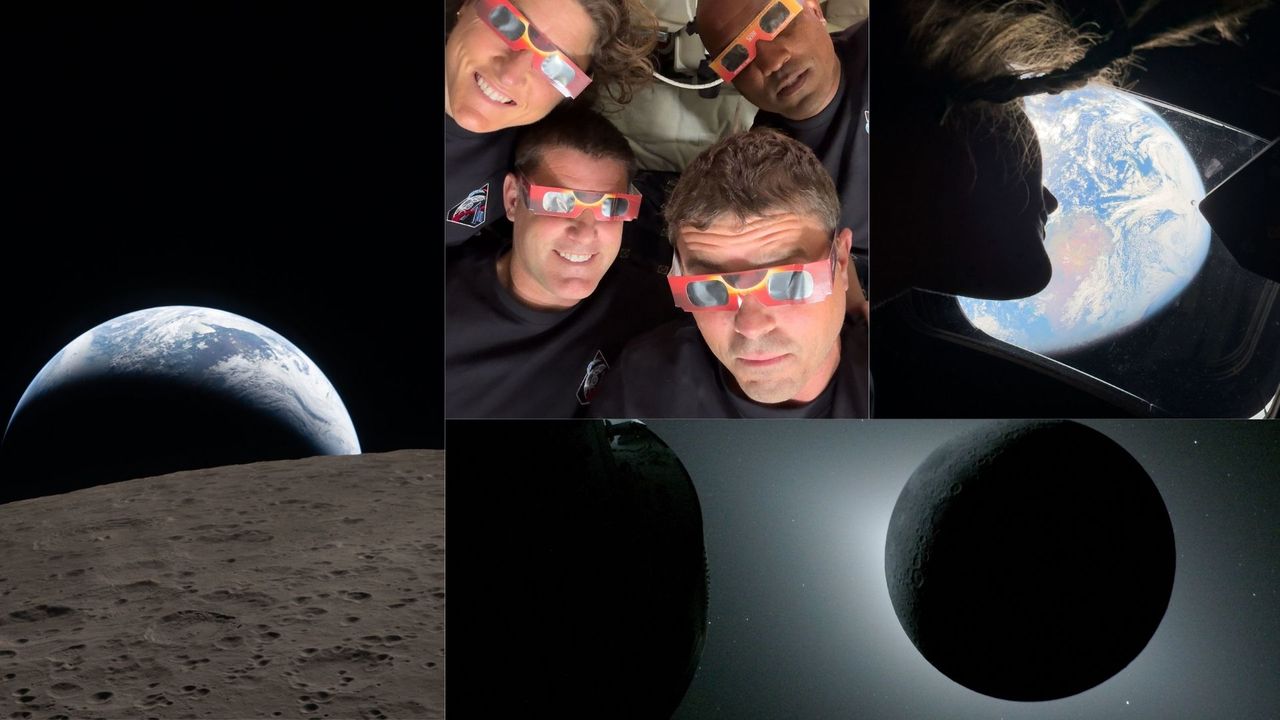
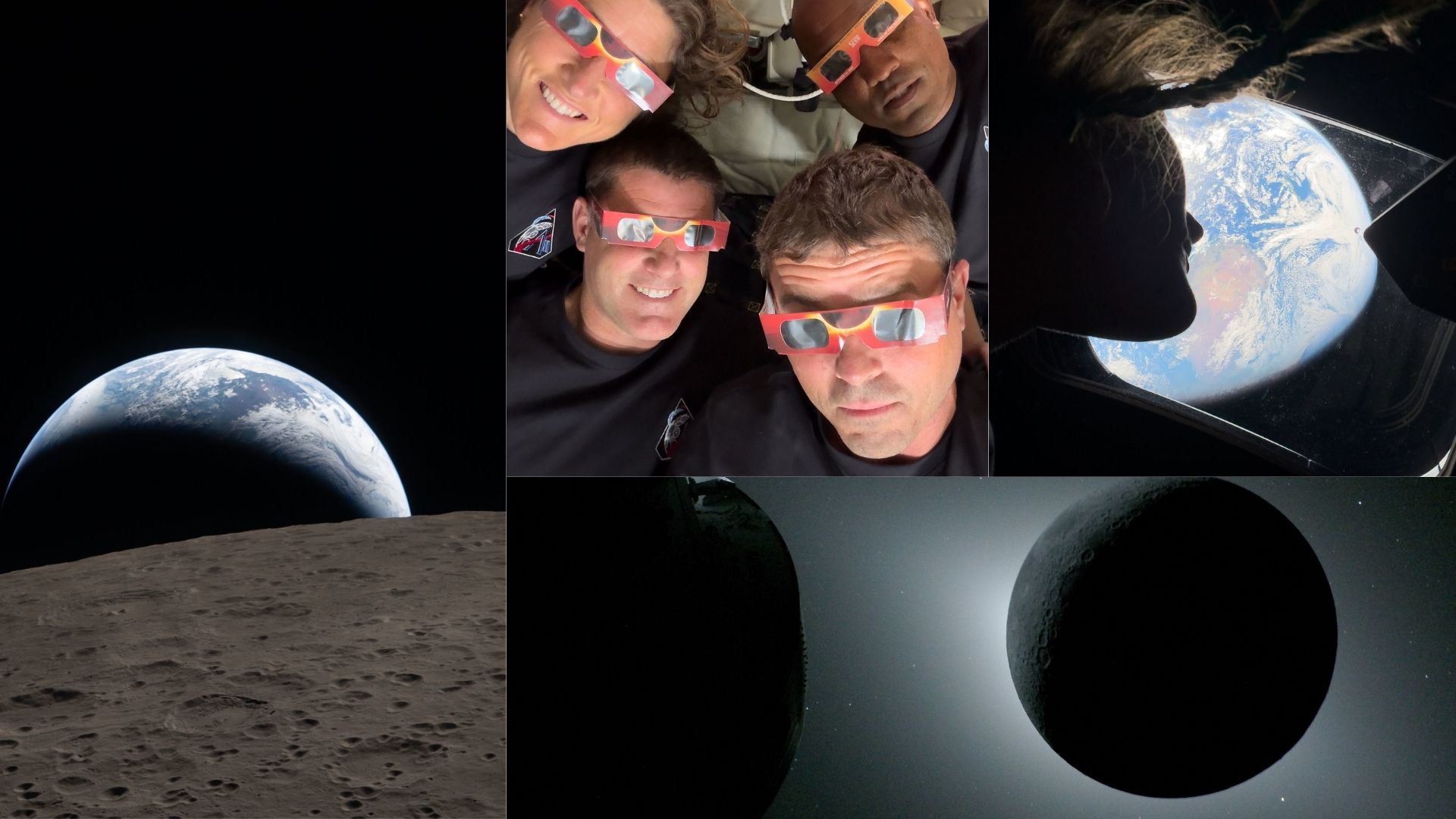 Four photos snapped by the Artemis II astronauts. Clockwise from left: Earth setting behind the moon; the astronauts wearing solar eclipse glasses; Christina Koch viewing Earth from the Orion capsule; and a rare total solar eclipse viewed from behind the moon.
(Image credit: NASA)
Jump to:
Four photos snapped by the Artemis II astronauts. Clockwise from left: Earth setting behind the moon; the astronauts wearing solar eclipse glasses; Christina Koch viewing Earth from the Orion capsule; and a rare total solar eclipse viewed from behind the moon.
(Image credit: NASA)
Jump to:
- 1. Artemis II launch
- 2. Spaceship Earth
- 3. Earth's dark side
- 4. Hello, world
- 5. The terminator
- 6. A moment with the moon
- 7. Shadows at the edge of a lunar day
- 8. Total solar eclipse
- 9. Eclipse safety first
- 10. Integrity comes home
- Copy link
- X
Get the world’s most fascinating discoveries delivered straight to your inbox.
Become a Member in Seconds
Unlock instant access to exclusive member features.
Contact me with news and offers from other Future brands Receive email from us on behalf of our trusted partners or sponsors By submitting your information you agree to the Terms & Conditions and Privacy Policy and are aged 16 or over.You are now subscribed
Your newsletter sign-up was successful
Want to add more newsletters?

Delivered Daily
Daily Newsletter
Sign up for the latest discoveries, groundbreaking research and fascinating breakthroughs that impact you and the wider world direct to your inbox.
Signup +
Once a week
Life's Little Mysteries
Feed your curiosity with an exclusive mystery every week, solved with science and delivered direct to your inbox before it's seen anywhere else.
Signup +
Once a week
How It Works
Sign up to our free science & technology newsletter for your weekly fix of fascinating articles, quick quizzes, amazing images, and more
Signup +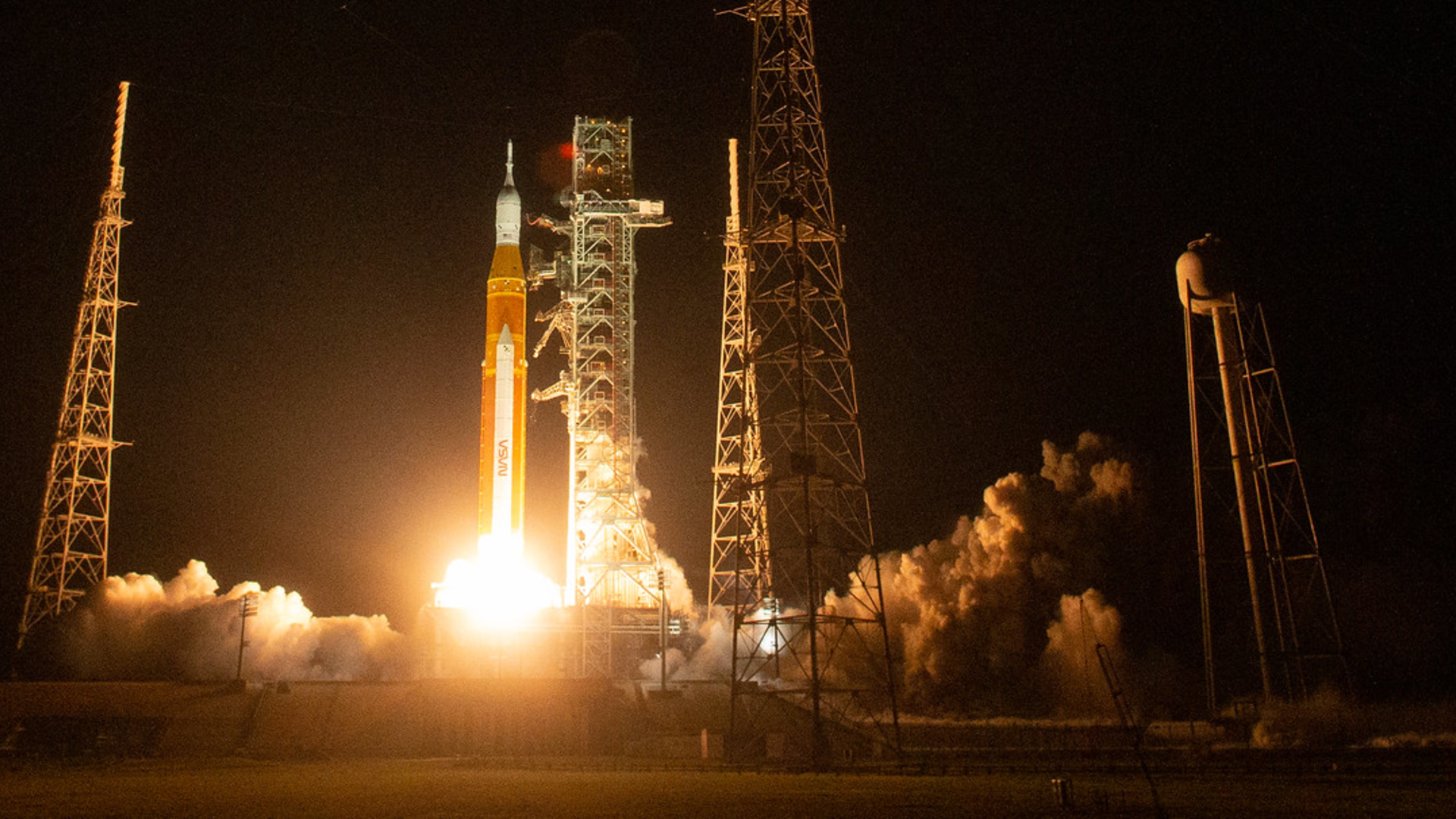
Delivered daily
Space.com Newsletter
Breaking space news, the latest updates on rocket launches, skywatching events and more!
Signup +
Once a month
Watch This Space
Sign up to our monthly entertainment newsletter to keep up with all our coverage of the latest sci-fi and space movies, tv shows, games and books.
Signup +
Once a week
Night Sky This Week
Discover this week's must-see night sky events, moon phases, and stunning astrophotos. Sign up for our skywatching newsletter and explore the universe with us!
Signup +Join the club
Get full access to premium articles, exclusive features and a growing list of member rewards.
Explore An account already exists for this email address, please log in. Subscribe to our newsletterSince its historic April 1 launch from Kennedy Space Center, NASA's Artemis II mission around the moon has delivered a stream of extraordinary moments, from Earth fading into the distance to a rare solar eclipse seen from deep space.
After the crew returned safely to Earth on Friday (April 10), we've collected the most remarkable images from humanity's first journey to the moon since 1972.
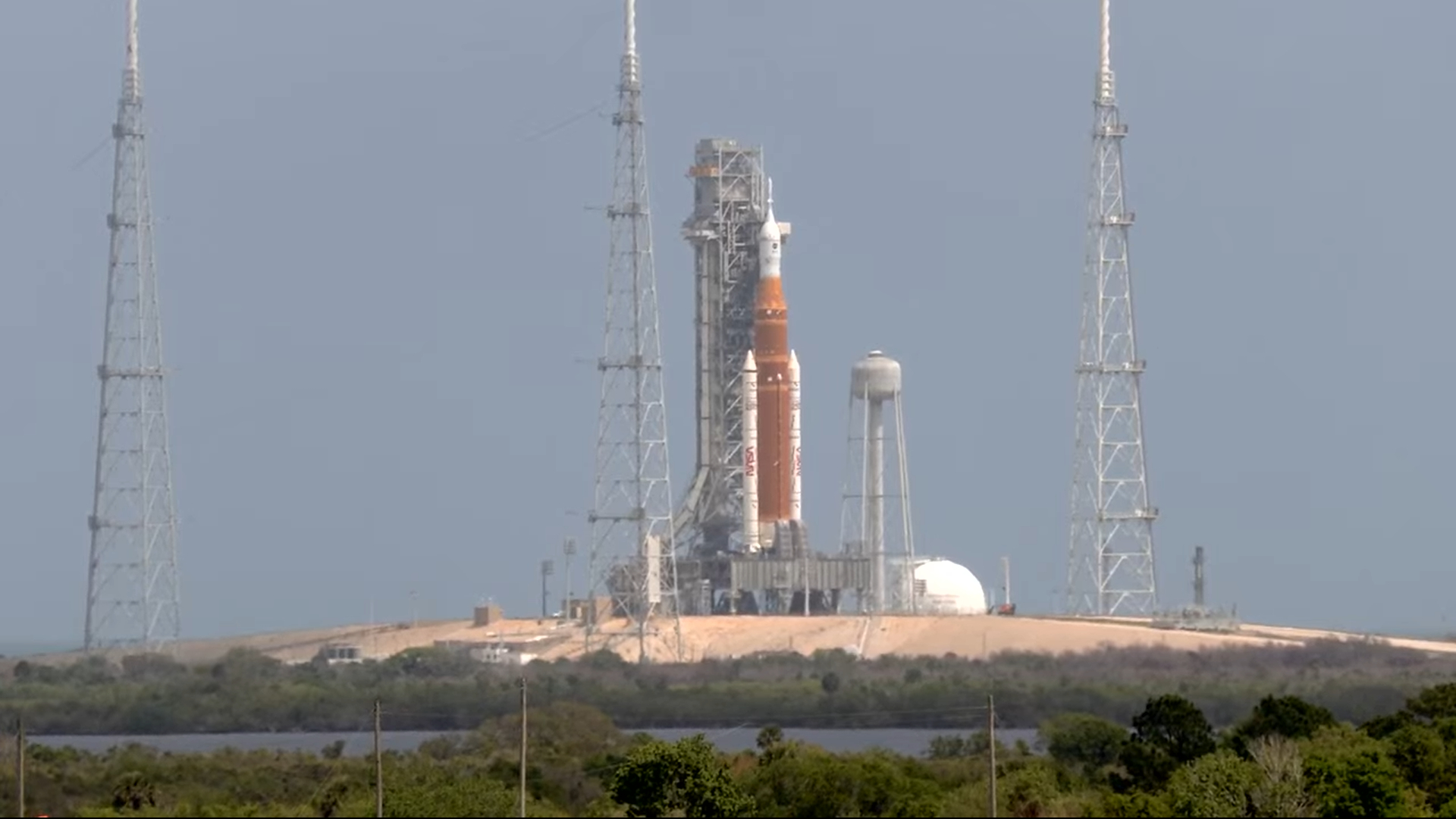
1. Artemis II launch
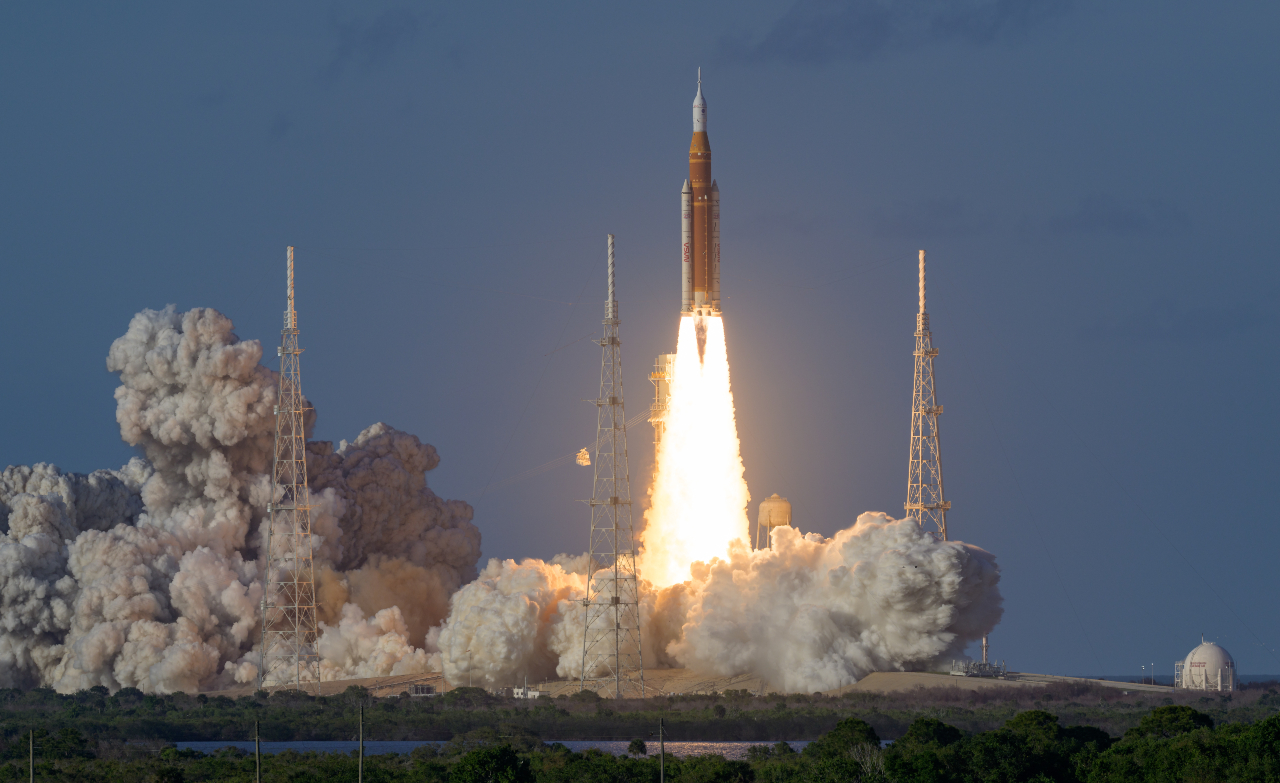
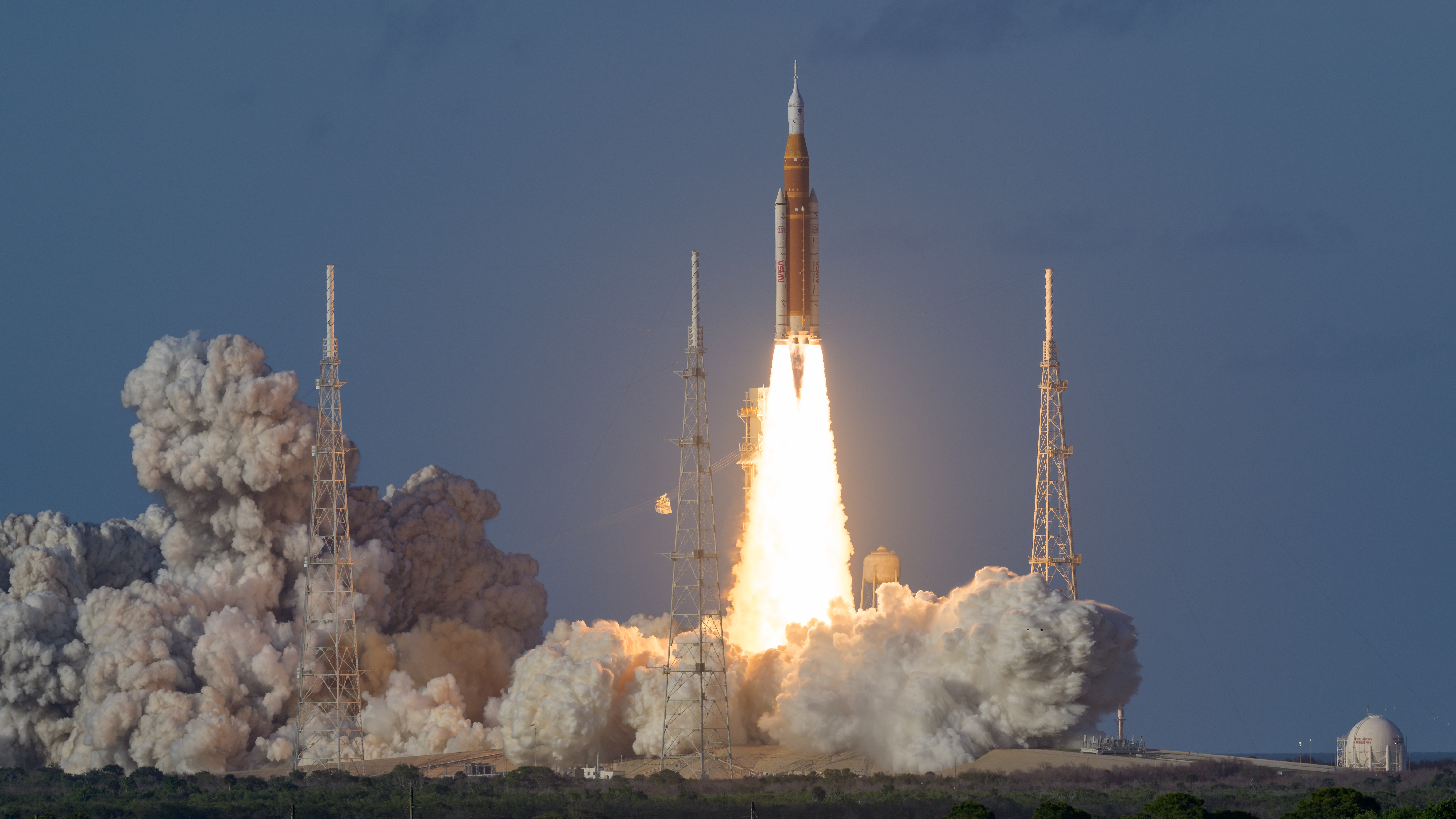
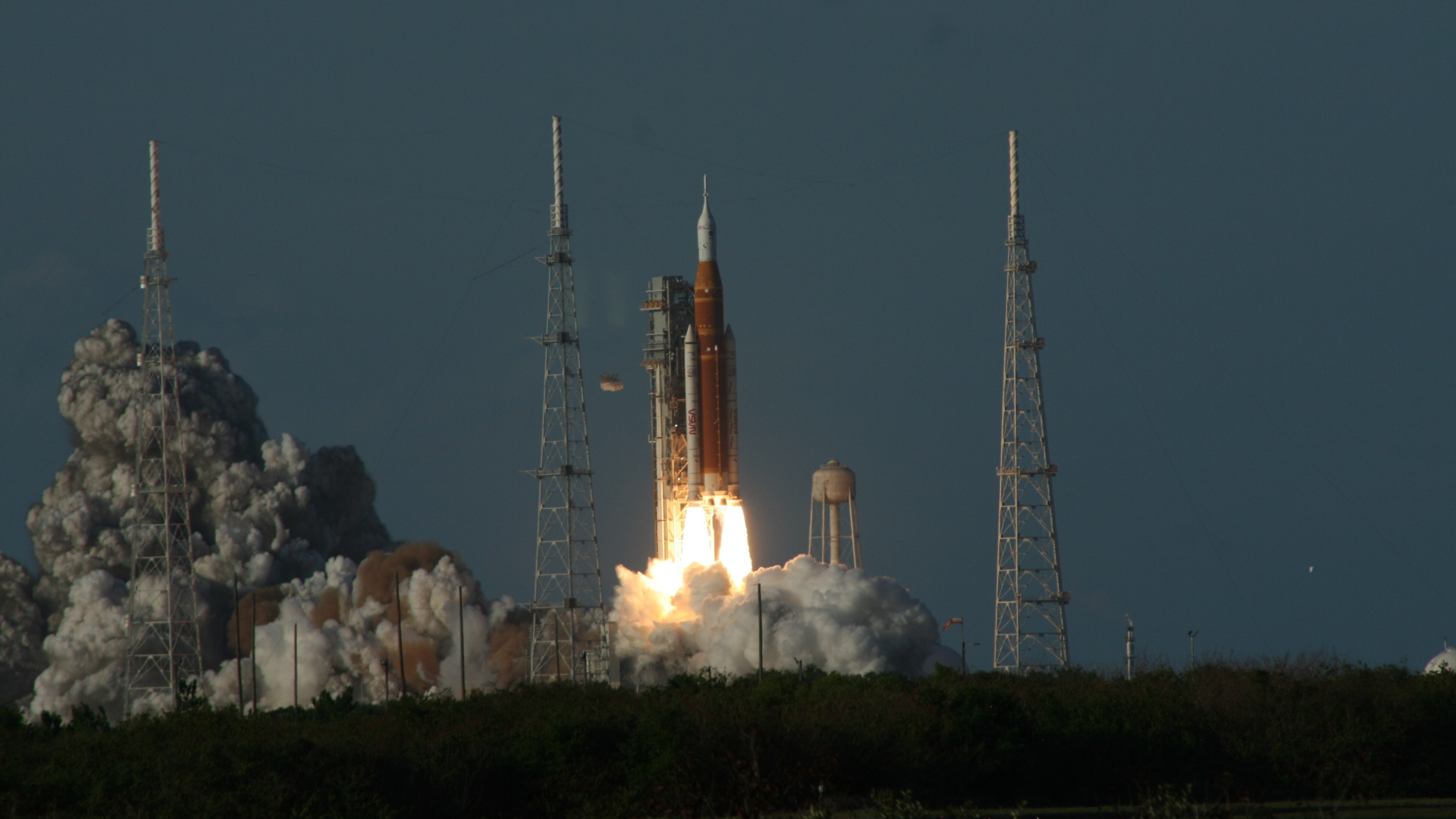
The April 1 launch from Kennedy Space Center's Launch Complex 39B signaled the beginning of humanity's first crewed lunar mission since Apollo 17. Powered by NASA's most powerful rocket, the Space Launch System, on only its second flight, Artemis II sent four astronauts on a 10-day, 695,000-mile (1.1 million kilometers) journey. The team's Orion crew capsule, nicknamed Integrity, sits at the top.
Article continues below You may like-
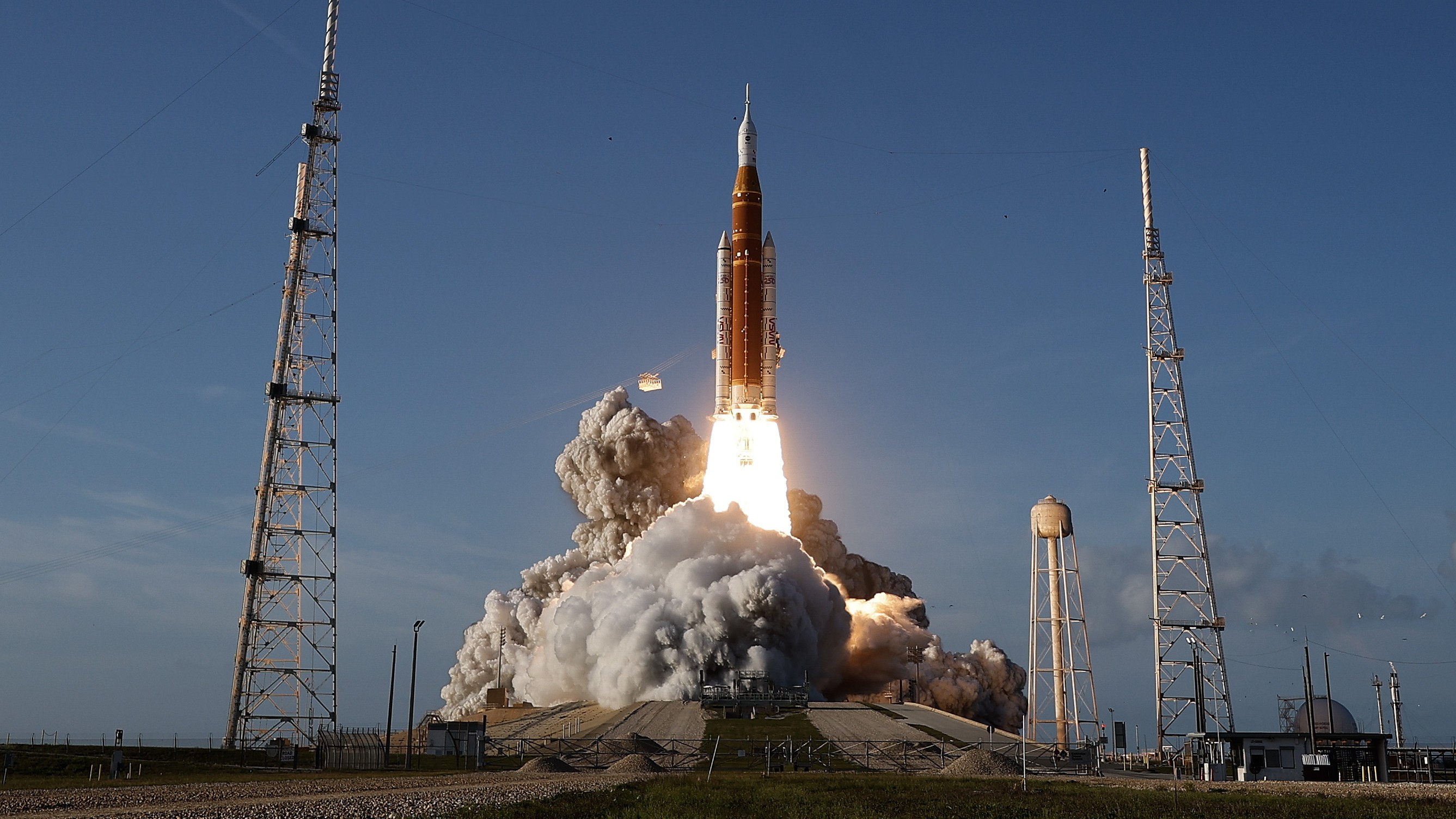 In photos: Artemis II's historic launch for the moon
-
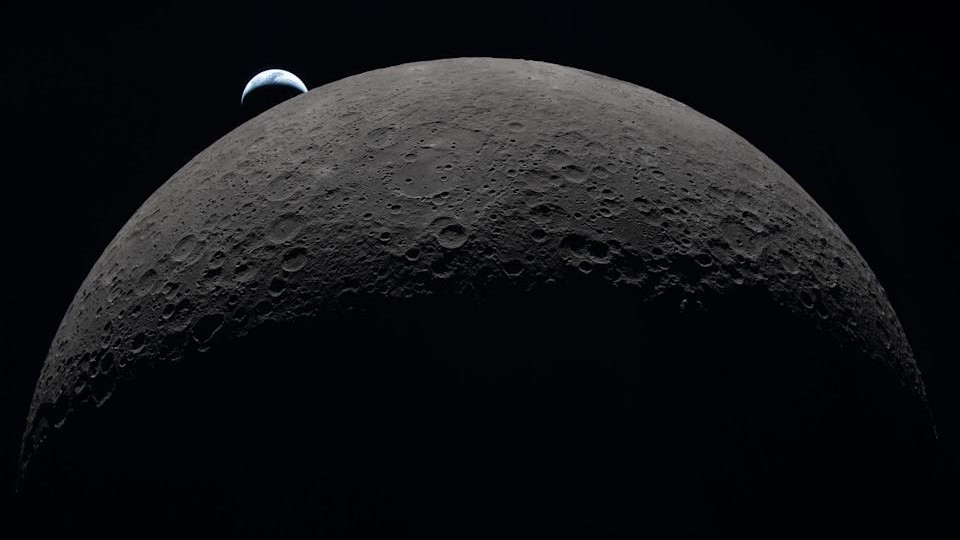 'So much magic': Artemis II shares first images from the far side of the moon, including new 'Earthset' and total eclipse in space
-
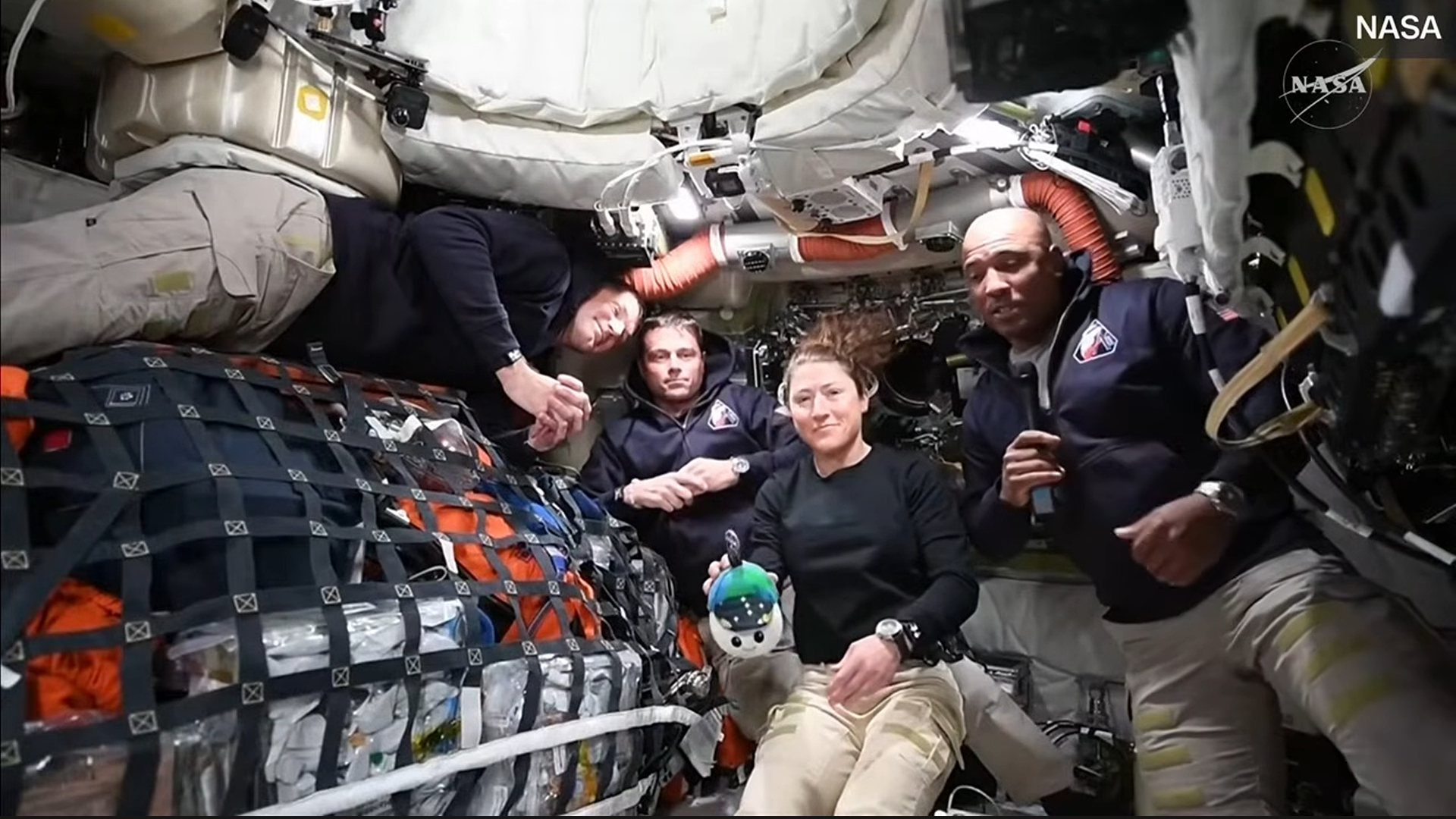 'Trust us; you look amazing': Artemis II crewmembers share first message from space
2. Spaceship Earth
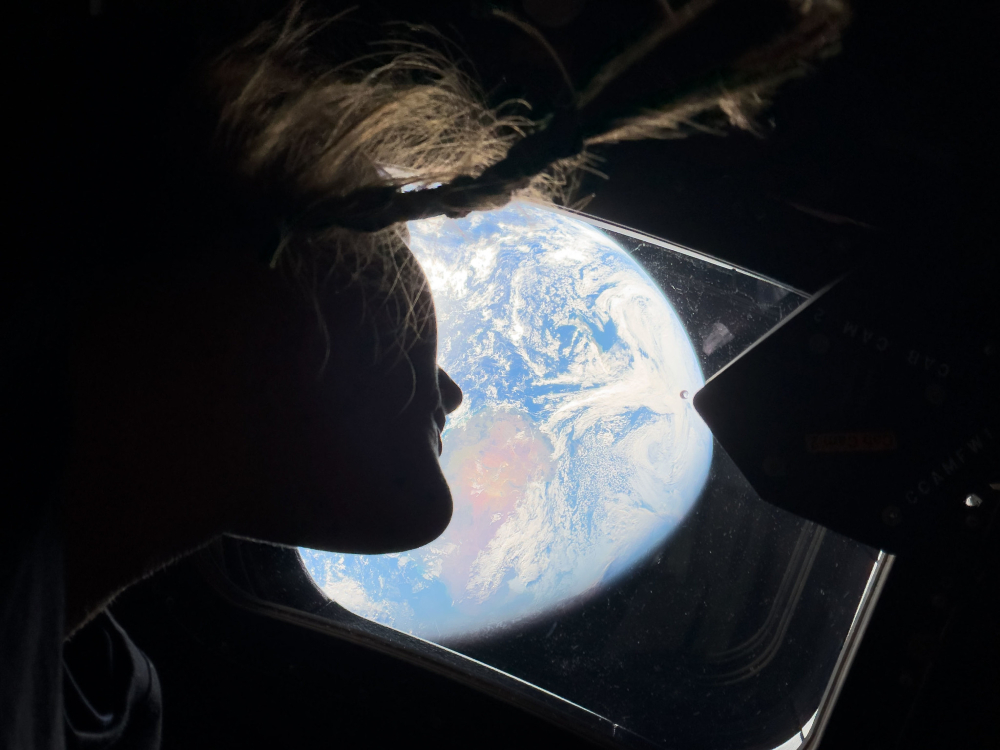
In a mission of firsts, NASA astronaut Christina Koch became the first woman to leave Earth's orbit and travel around the moon. Here she is on April 2, peering out one of the Orion spacecraft's main cabin windows at the delicate blue sphere of Earth. As Artemis II traveled toward the moon, Earth's continents and clouds blurred into a single living world.
3. Earth's dark side
This image of Earth with the sun behind it was taken just after Orion's translunar injection burn on April 2, in which Orion sped out of Earth orbit and toward the moon. Earth became a glowing crescent suspended in darkness, with its night side sitting in shadow, almost entirely hidden from view.
4. Hello, world
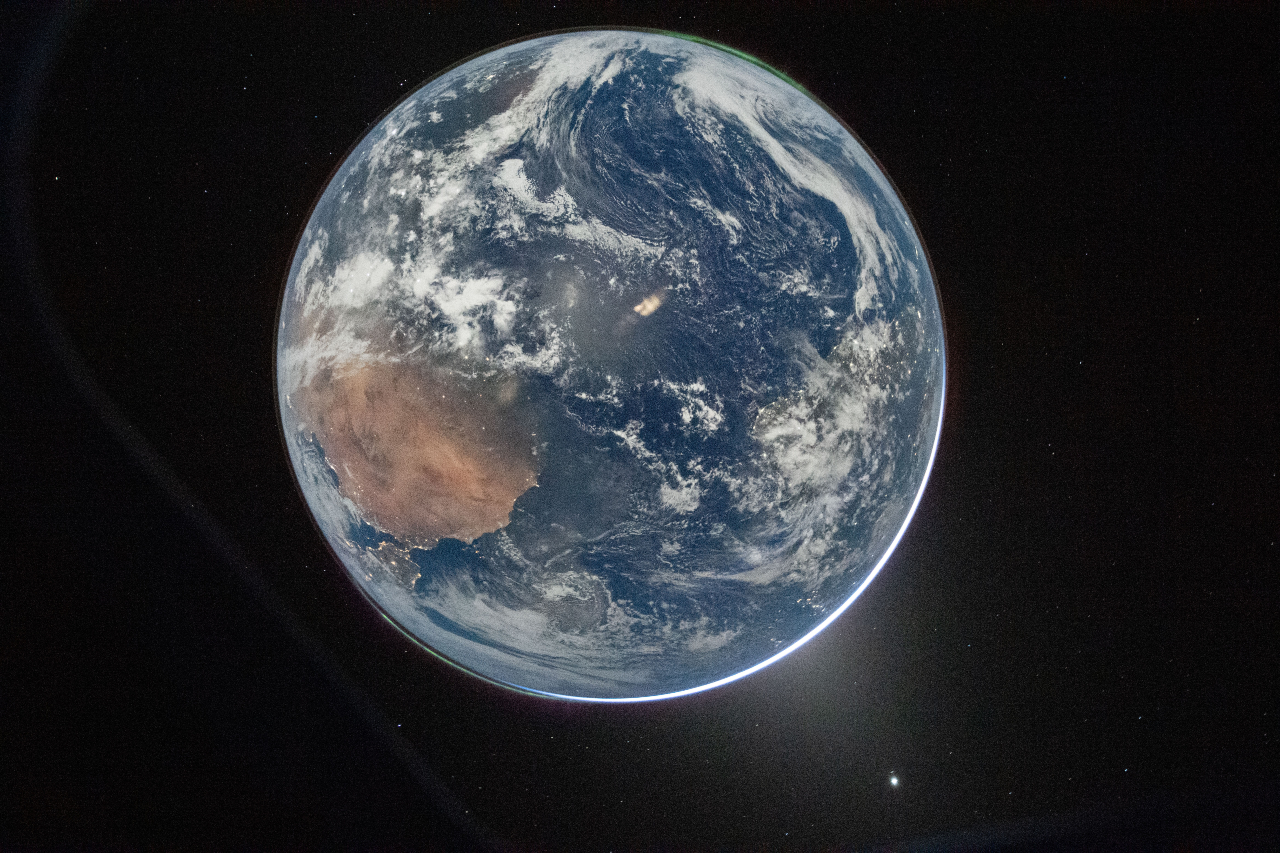
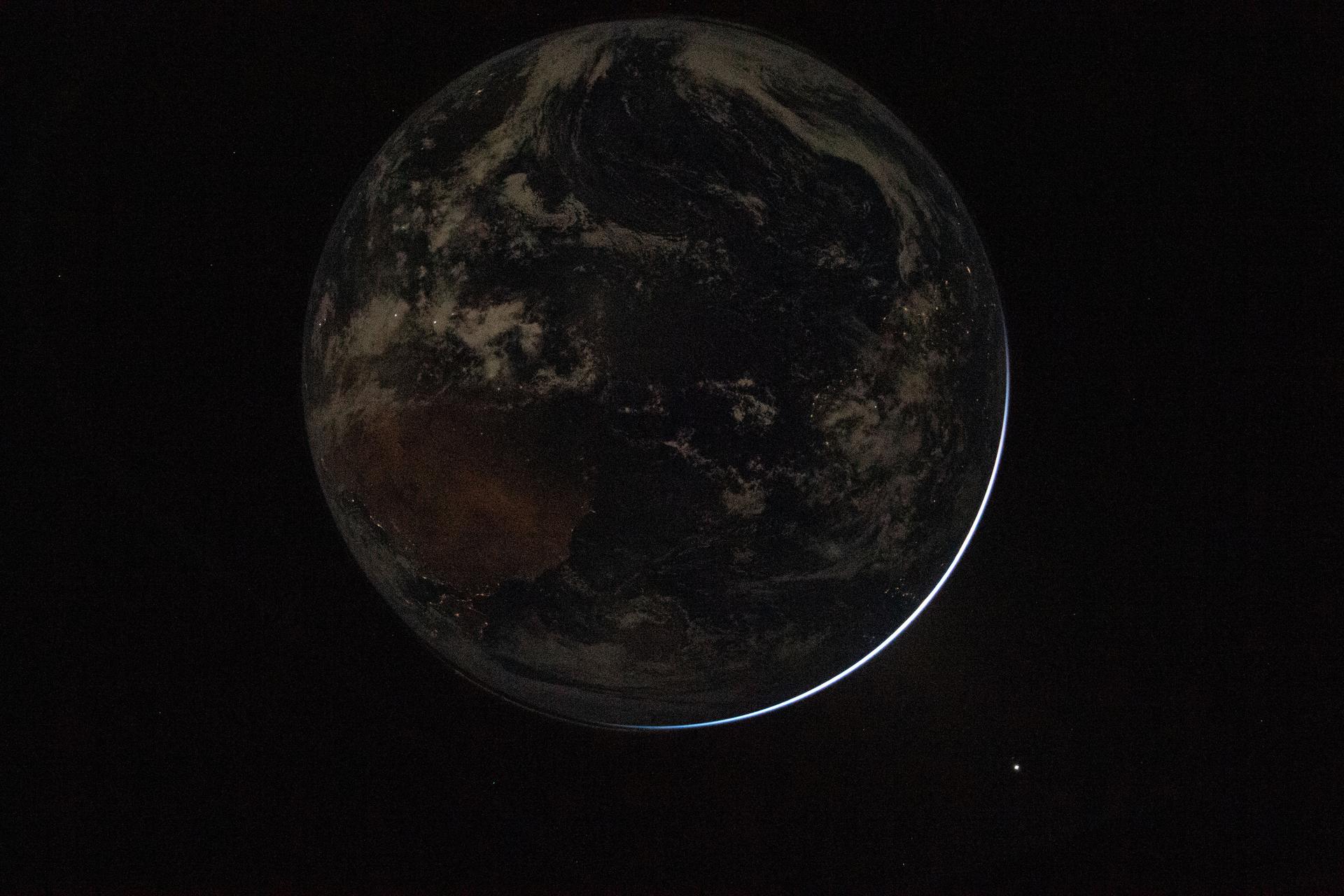
Also captured just after Orion's boost toward the moon on April 2, this image contrasts sharply with later views. Here, a longer exposure reveals Earth's unlit side, but several other features make it unique. In addition to being the first image ever to feature auroras at both poles, it includes a crescent Earth, Venus (bottom right) and a smudge of zodiacal light (sunlight reflecting from dust in the solar system's asteroid belt).
5. The terminator
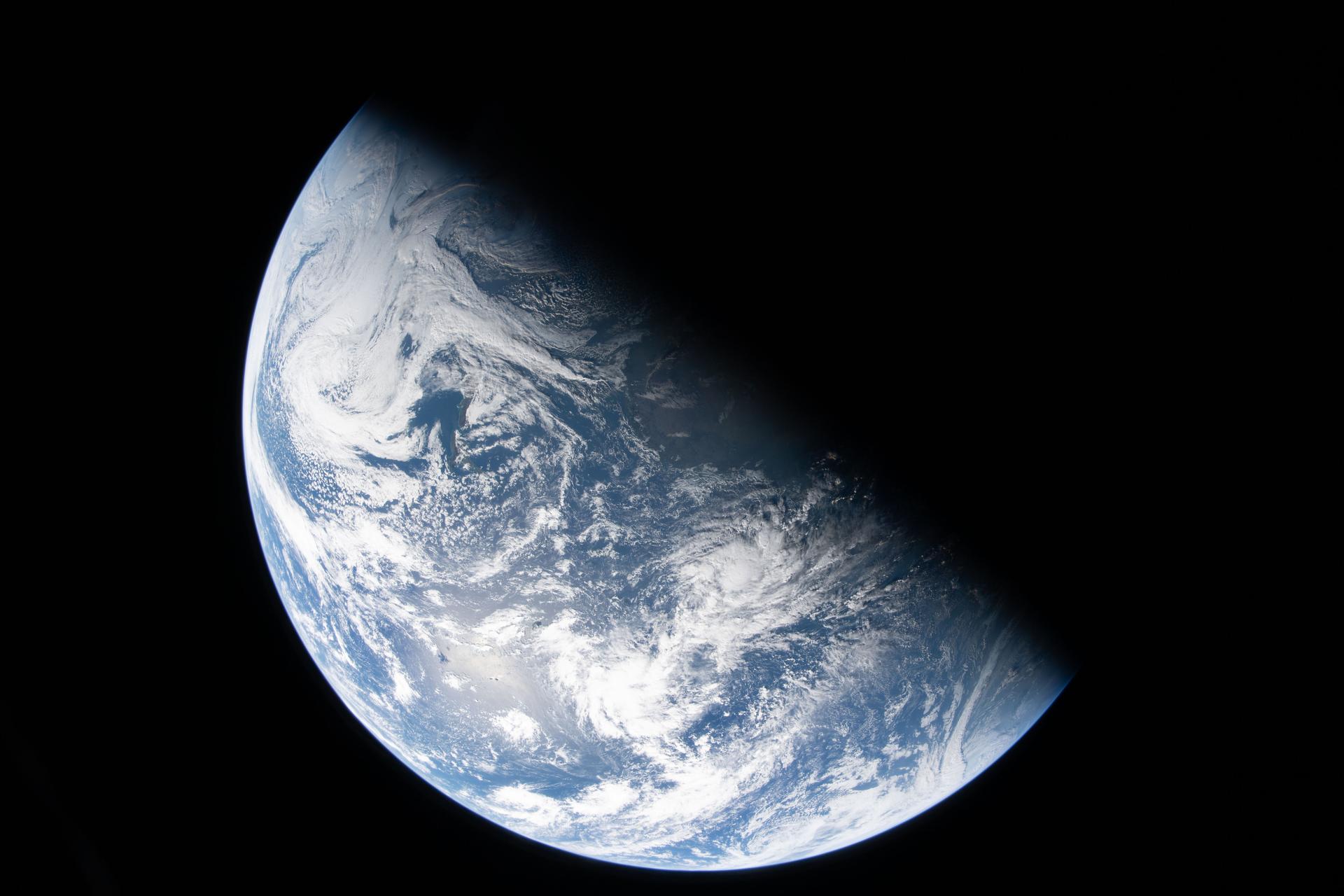
As Orion sped away from Earth on April 3, commander Reid Wiseman took this image of the terminator line, a sharp divide separating night from day on Earth — an everyday phenomenon transformed into a striking view from deep space.
Sign up for the Live Science daily newsletter nowContact me with news and offers from other Future brandsReceive email from us on behalf of our trusted partners or sponsorsBy submitting your information you agree to the Terms & Conditions and Privacy Policy and are aged 16 or over.6. A moment with the moon
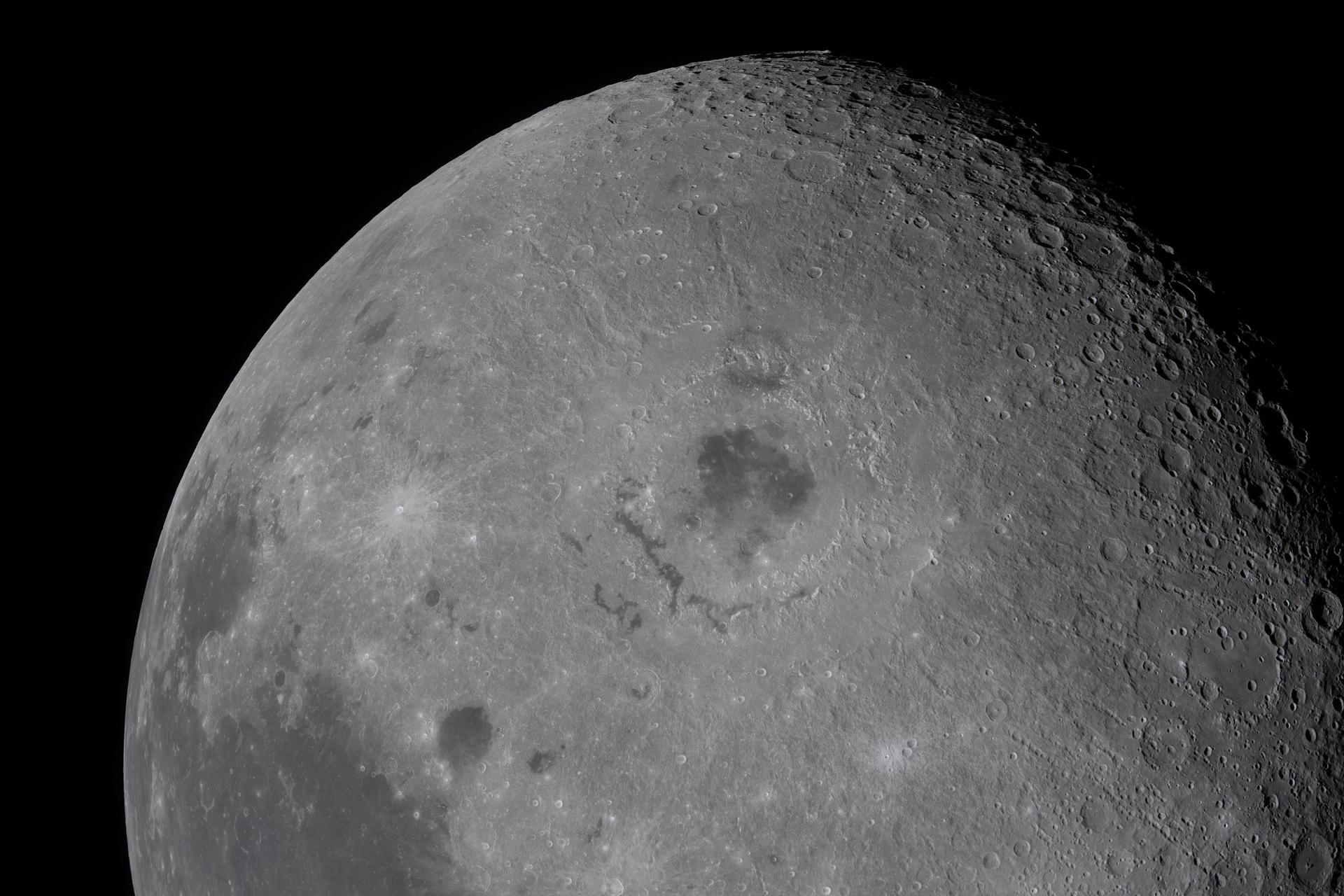
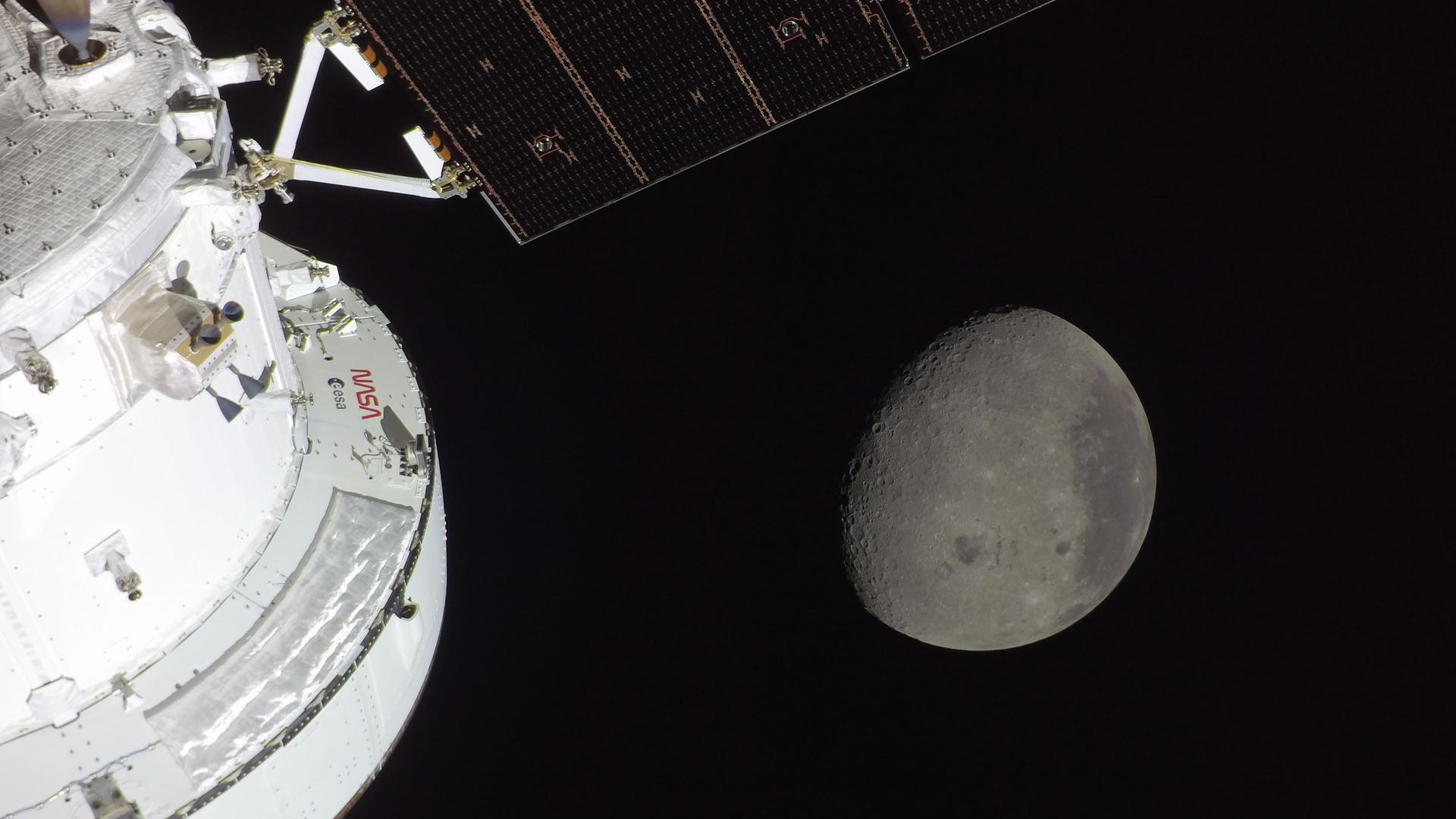
Seen on April 6 just before lunar flyby observations began, a vast circular scar — the 600-mile-wide (1,000 km) Orientale basin — marks one of the moon's most dramatic impact features. This lava-filled relic of ancient volcanic activity was formed by a colossal impact billions of years ago.
7. Shadows at the edge of a lunar day
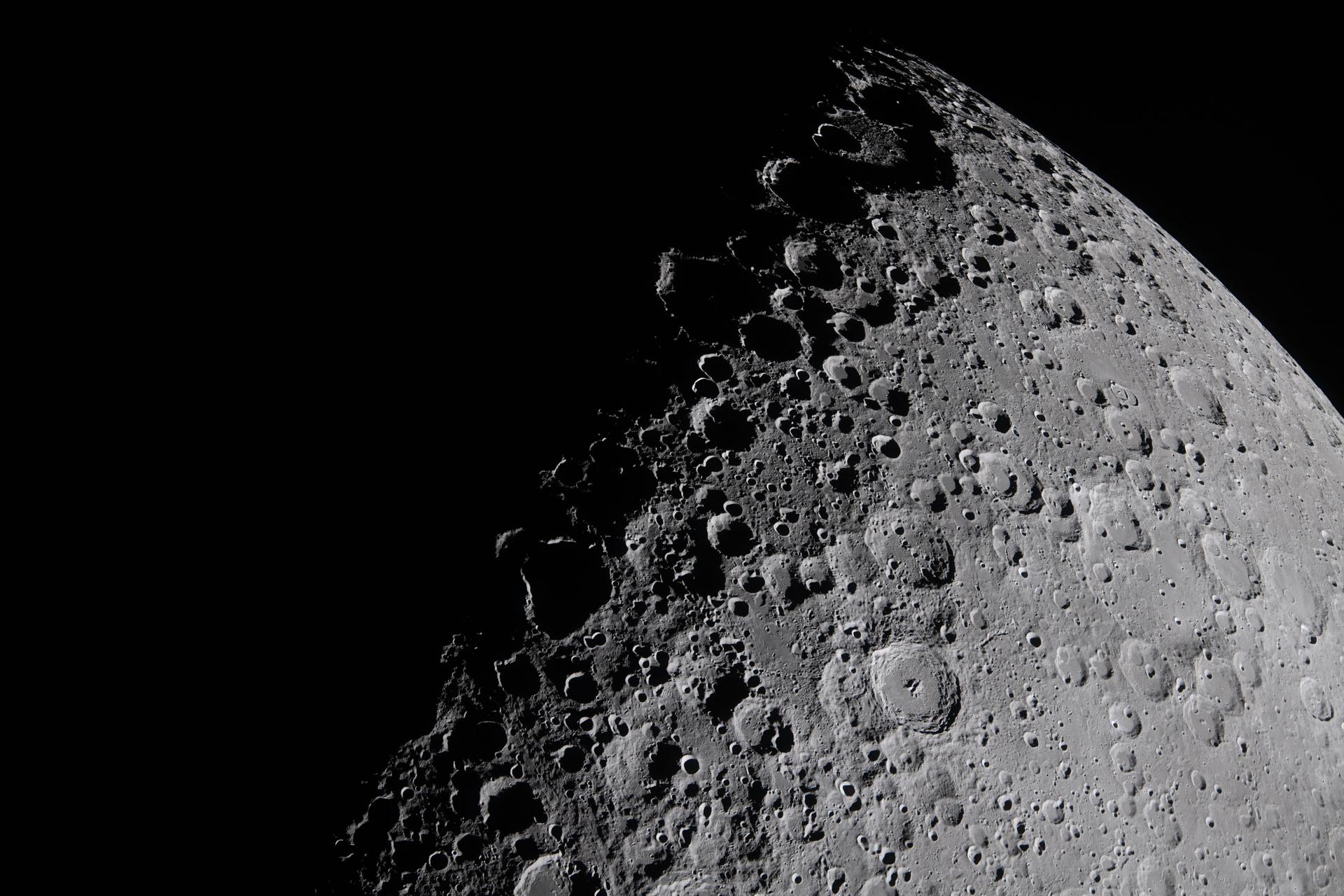
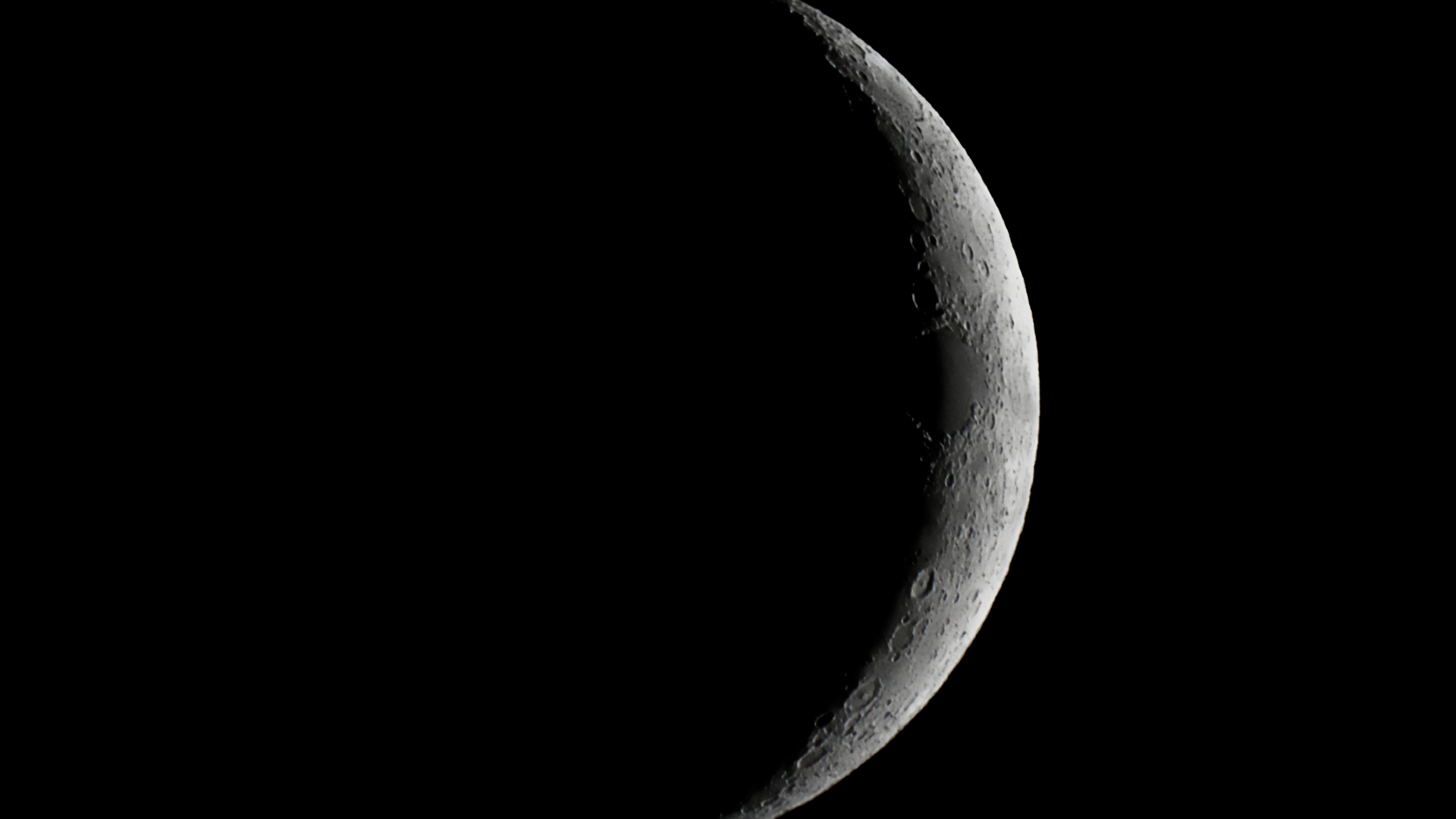
On April 6, the crew took this image of the terminator on the moon. It's where low sunlight skims the lunar surface, casting dramatic shadows that exaggerate craters, ridges and mountains — the perfect time to study the moon's rugged terrain. According to pilot Victor Glover, who monitored the terminator line through Orion's window, the craters in front of him were so dark, they looked like "you'd fall straight to the center of the moon if you stepped in some of those."
8. Total solar eclipse
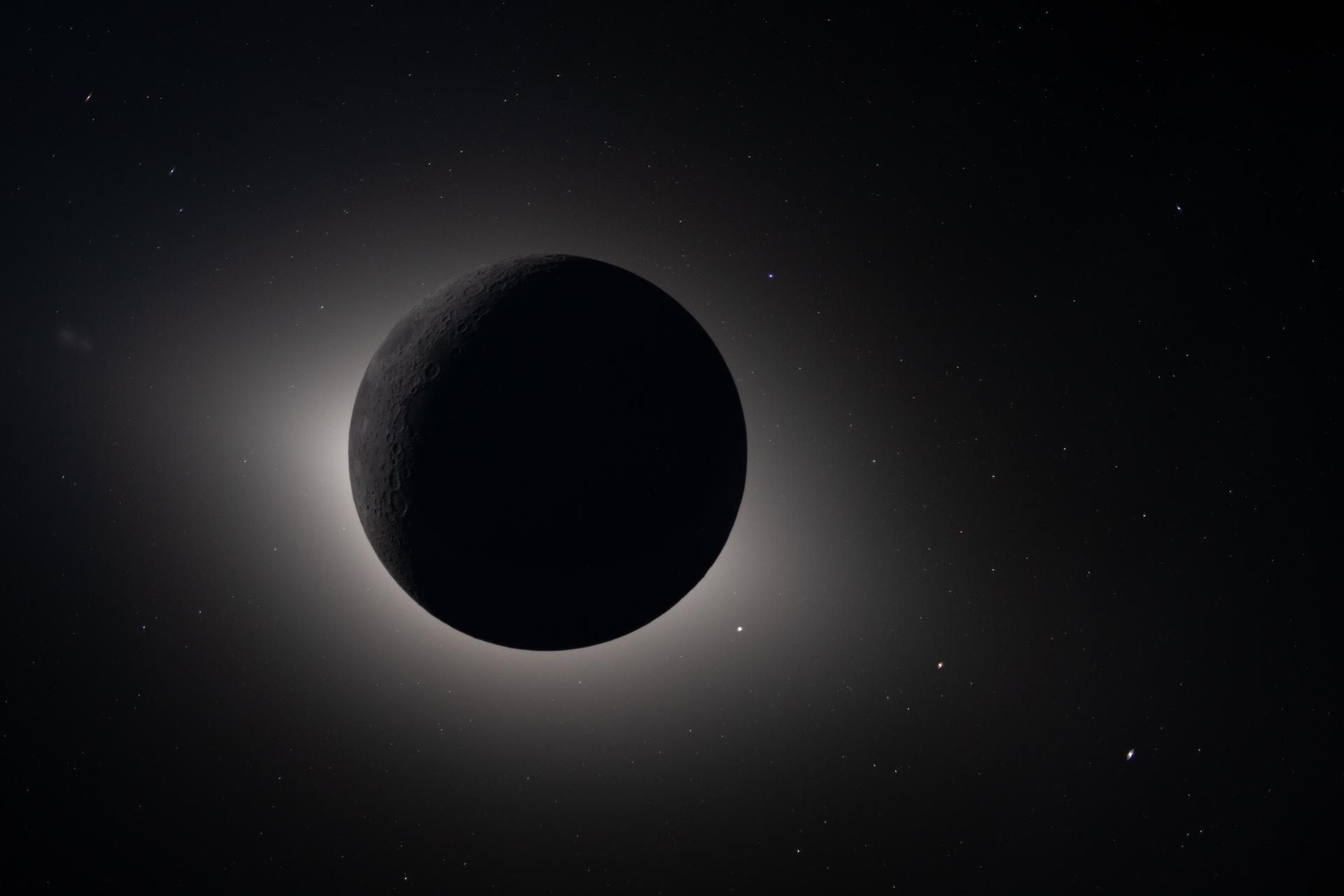
Apollo astronauts saw total solar eclipses on their way to the moon, but the Artemis II crew was the first to witness one from the moon's far side. On April 6, totality lasted an extraordinary 54 minutes from Orion, during which the crew saw the sun's corona,stars and distant planets become visible nearby. It's a vantage point impossible on Earth.
9. Eclipse safety first
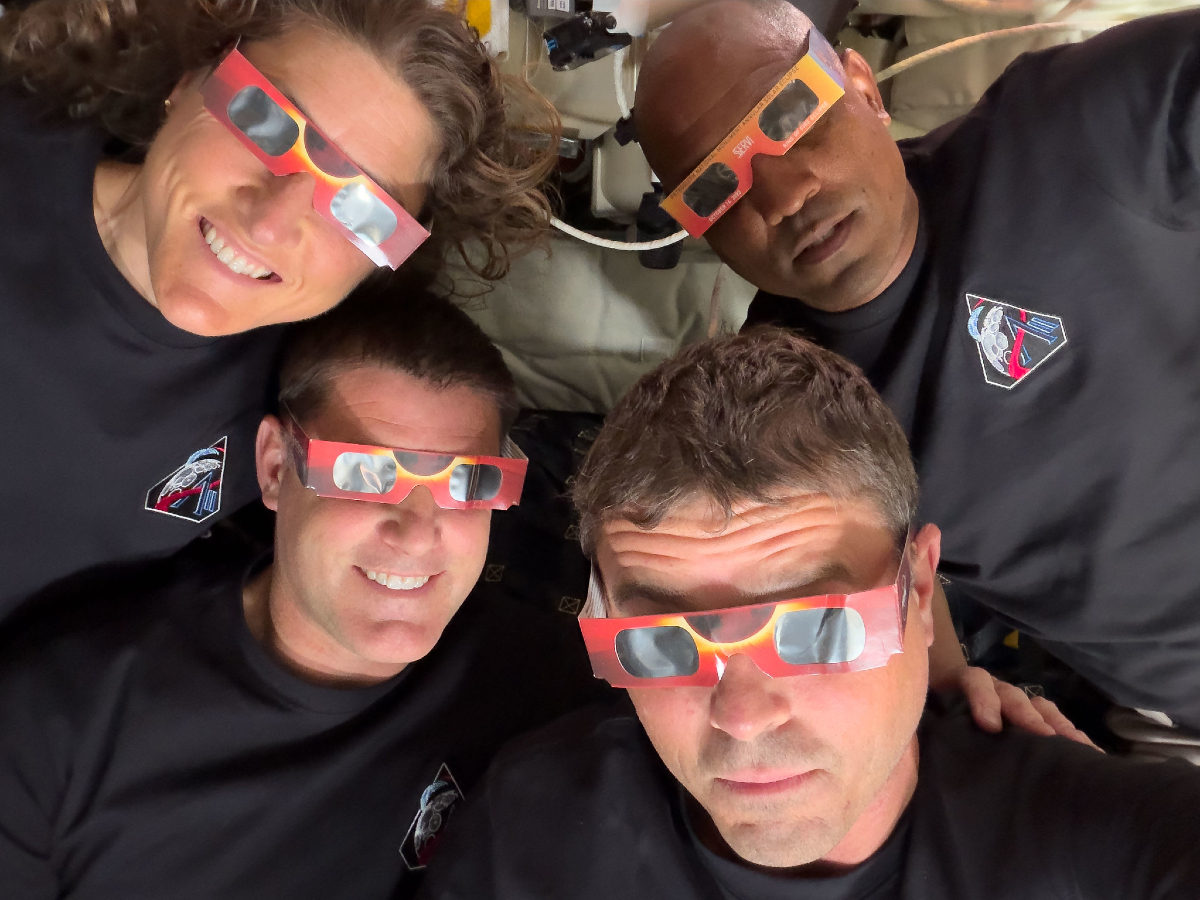
Even at the moon, safe solar viewing remains essential. Before and after totality, the four astronauts — Wiseman, Glover, Koch and mission specialist Jeremy Hansen — donned the same eclipse glasses distributed for the recent solar eclipses in North America.
10. Integrity comes home
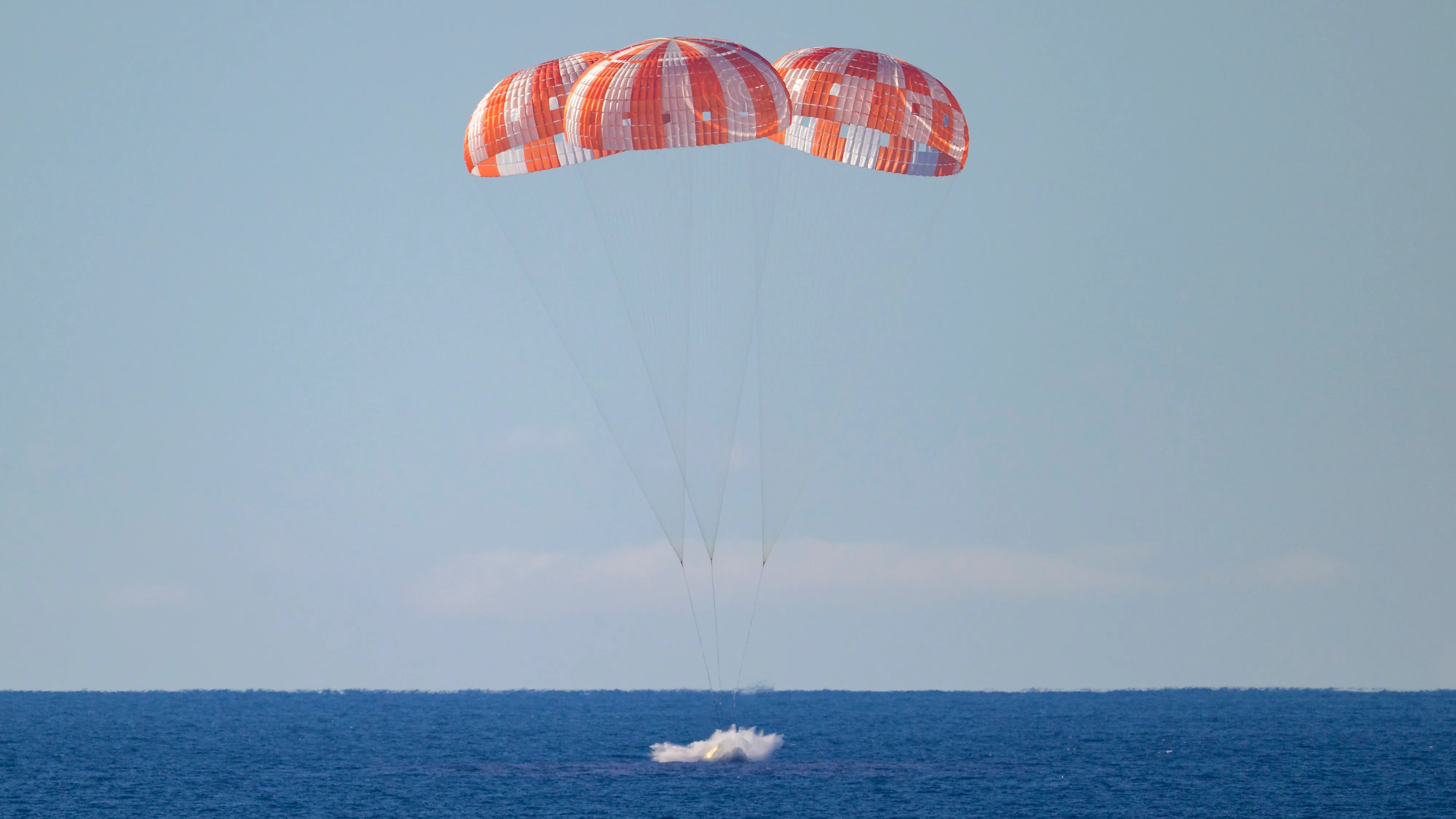
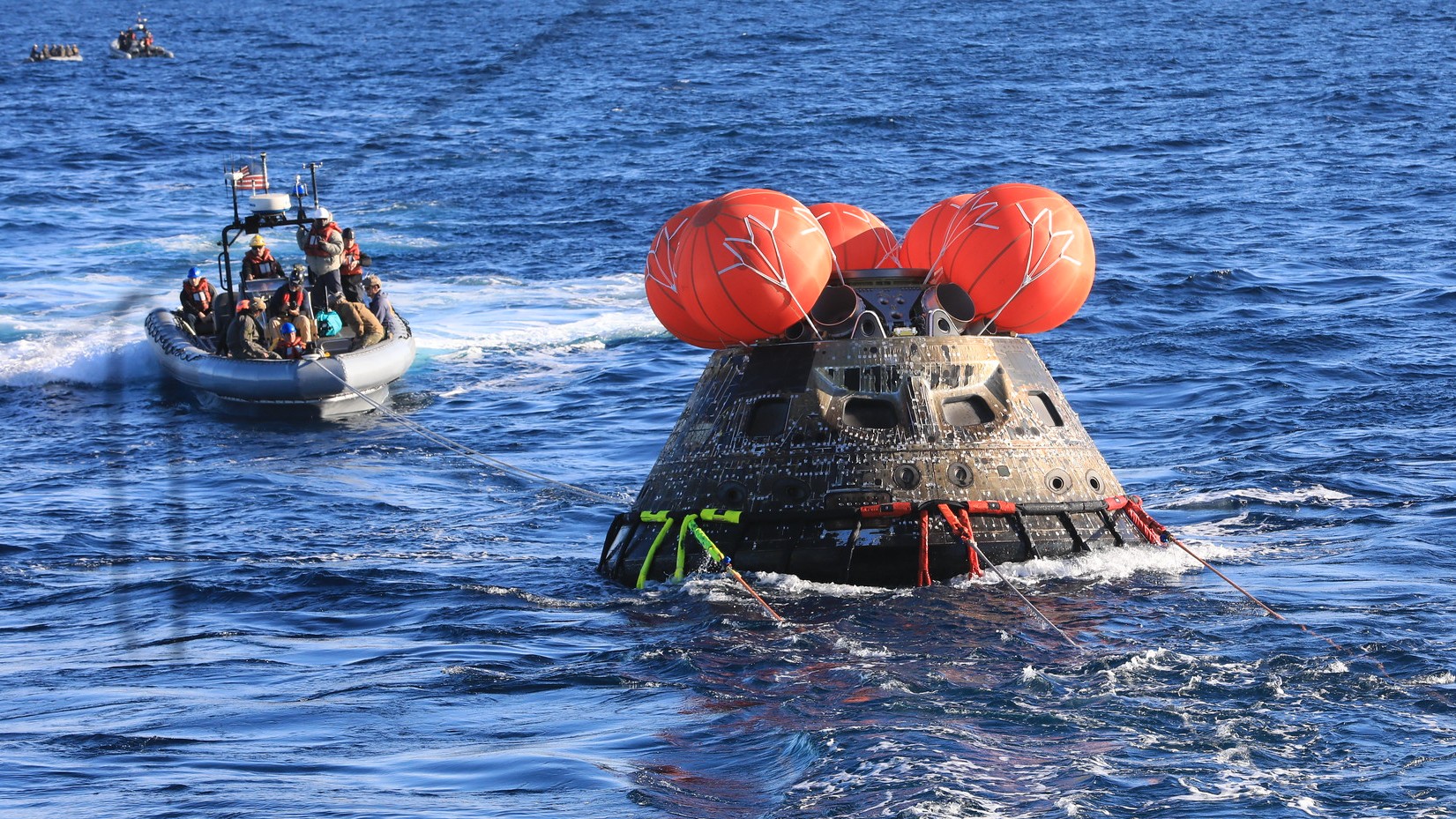
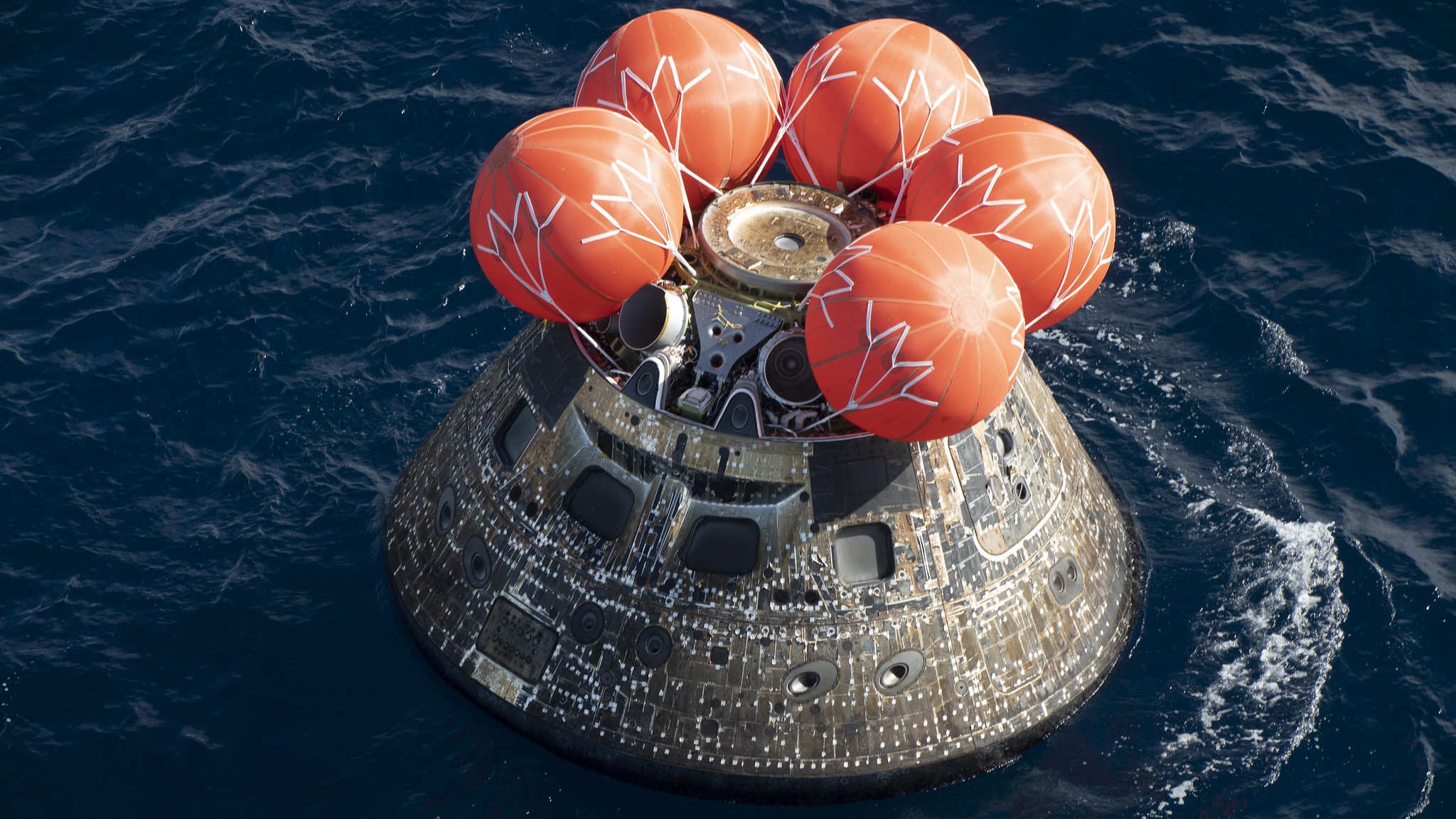
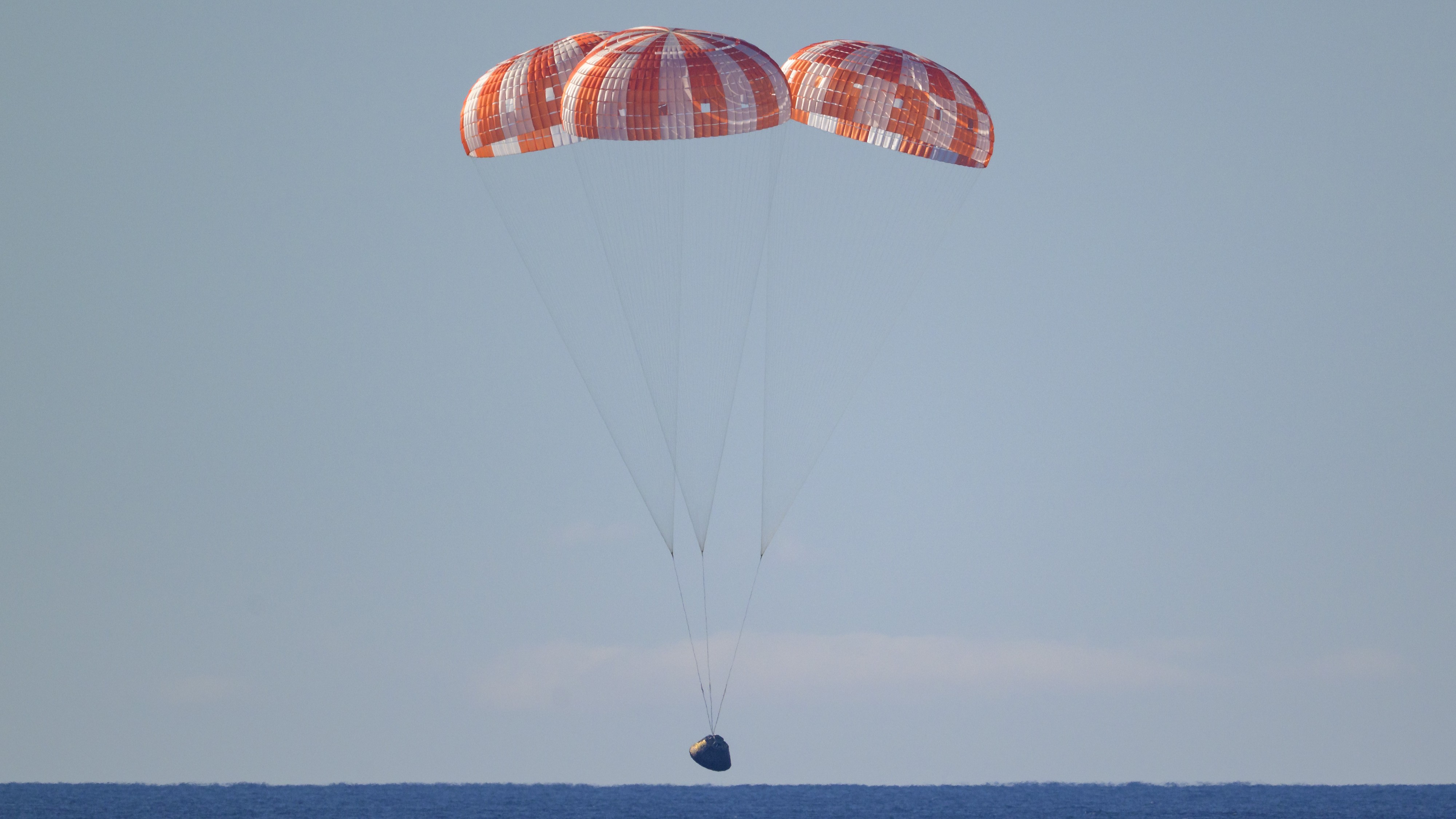
At 8:07 p.m. EDT on Friday (Apr. 10), the Integrity capsule splashed safely into the Pacific Ocean after a nail-biting 13-minute descent through Earth's atmosphere. Soon after, a Navy recovery crew opened the capsule, welcoming its four record-setting passengers back to Earth after their historic mission to the moon.
TOPICS Artemis 2 Jamie CarterSocial Links NavigationLive Science contributor
Jamie Carter is a Cardiff, U.K.-based freelance science journalist and a regular contributor to Live Science. He is the author of A Stargazing Program For Beginners and co-author of The Eclipse Effect, and leads international stargazing and eclipse-chasing tours. His work appears regularly in Space.com, Forbes, New Scientist, BBC Sky at Night, Sky & Telescope, and other major science and astronomy publications. He is also the editor of WhenIsTheNextEclipse.com.
View MoreYou must confirm your public display name before commenting
Please logout and then login again, you will then be prompted to enter your display name.
Logout Read more
Space Exploration
In photos: Artemis II's historic launch for the moon
Space Exploration
'Trust us; you look amazing': Artemis II crewmembers share first message from space
 Space Exploration
Artemis II blasts off: Humans are on their way back to the moon
Space Exploration
Artemis II blasts off: Humans are on their way back to the moon
 The Moon
The moon is green and brown? Why scientists are already excited about Artemis II's historic lunar photos
The Moon
The moon is green and brown? Why scientists are already excited about Artemis II's historic lunar photos
 Space Exploration
The Artemis II astronauts have just flown farther from Earth than any humans in history
Space Exploration
The Artemis II astronauts have just flown farther from Earth than any humans in history
 Space Exploration
NASA's historic Artemis II mission gets green light for flight as countdown begins
Latest in Space Exploration
Space Exploration
'I'm at a loss for words': Artemis II mission comes home to joy and cheers after historic 10-day mission
Space Exploration
NASA's historic Artemis II mission gets green light for flight as countdown begins
Latest in Space Exploration
Space Exploration
'I'm at a loss for words': Artemis II mission comes home to joy and cheers after historic 10-day mission
 Space Exploration
There are 'reasons to be confident' about faulty Artemis II heat shield ahead of 25,000 mph reentry, space expert Ed Macaulay says
Space Exploration
There are 'reasons to be confident' about faulty Artemis II heat shield ahead of 25,000 mph reentry, space expert Ed Macaulay says
 Space Exploration
There's an issue with the Artemis II heat shield, but NASA isn't worried. Here's why.
Space Exploration
The Artemis II astronauts have just flown farther from Earth than any humans in history
Space Exploration
There's an issue with the Artemis II heat shield, but NASA isn't worried. Here's why.
Space Exploration
The Artemis II astronauts have just flown farther from Earth than any humans in history
 Space Exploration
Artemis II moon flyby begins: How to watch and what to know
Space Exploration
Artemis II moon flyby begins: How to watch and what to know
 Space Exploration
I've witnessed nearly 100 rocket launches. Artemis II was like nothing I've ever experienced.
Latest in News
Space Exploration
'I'm at a loss for words': Artemis II mission comes home to joy and cheers after historic 10-day mission
The Moon
The moon is green and brown? Why scientists are already excited about Artemis II's historic lunar photos
Space Exploration
There are 'reasons to be confident' about faulty Artemis II heat shield ahead of 25,000 mph reentry, space expert Ed Macaulay says
Space Exploration
I've witnessed nearly 100 rocket launches. Artemis II was like nothing I've ever experienced.
Latest in News
Space Exploration
'I'm at a loss for words': Artemis II mission comes home to joy and cheers after historic 10-day mission
The Moon
The moon is green and brown? Why scientists are already excited about Artemis II's historic lunar photos
Space Exploration
There are 'reasons to be confident' about faulty Artemis II heat shield ahead of 25,000 mph reentry, space expert Ed Macaulay says
 Orcas
'More questions than answers': Experts baffled by Alaskan mammal-eating orcas spotted near Seattle
Orcas
'More questions than answers': Experts baffled by Alaskan mammal-eating orcas spotted near Seattle
 Genetics
Changing 'just one DNA letter' in female mice triggers growth of male genitalia
Genetics
Changing 'just one DNA letter' in female mice triggers growth of male genitalia
 Space
'Welcome home, Integrity': Artemis II crew safely returned to Earth after 'bullseye landing' to cap historic moon mission
LATEST ARTICLES
Space
'Welcome home, Integrity': Artemis II crew safely returned to Earth after 'bullseye landing' to cap historic moon mission
LATEST ARTICLES 1Do the microbes in your gut influence what foods you like?
- 2'I'm at a loss for words': Artemis II mission comes home to joy and cheers after historic 10-day mission
- 3There are 'reasons to be confident' about faulty Artemis II heat shield ahead of 25,000 mph reentry, space expert Ed Macaulay says
- 4The moon is green and brown? Why scientists are already excited about Artemis II's historic lunar photos
- 5'I've seen the movies. What a horrible way to die': What it's like to be sucked into a tornado and survive