April 11, 2026: Our weekly roundup of the latest science in the news, as well as a few fascinating articles to keep you entertained over the weekend.
When you purchase through links on our site, we may earn an affiliate commission. Here’s how it works.
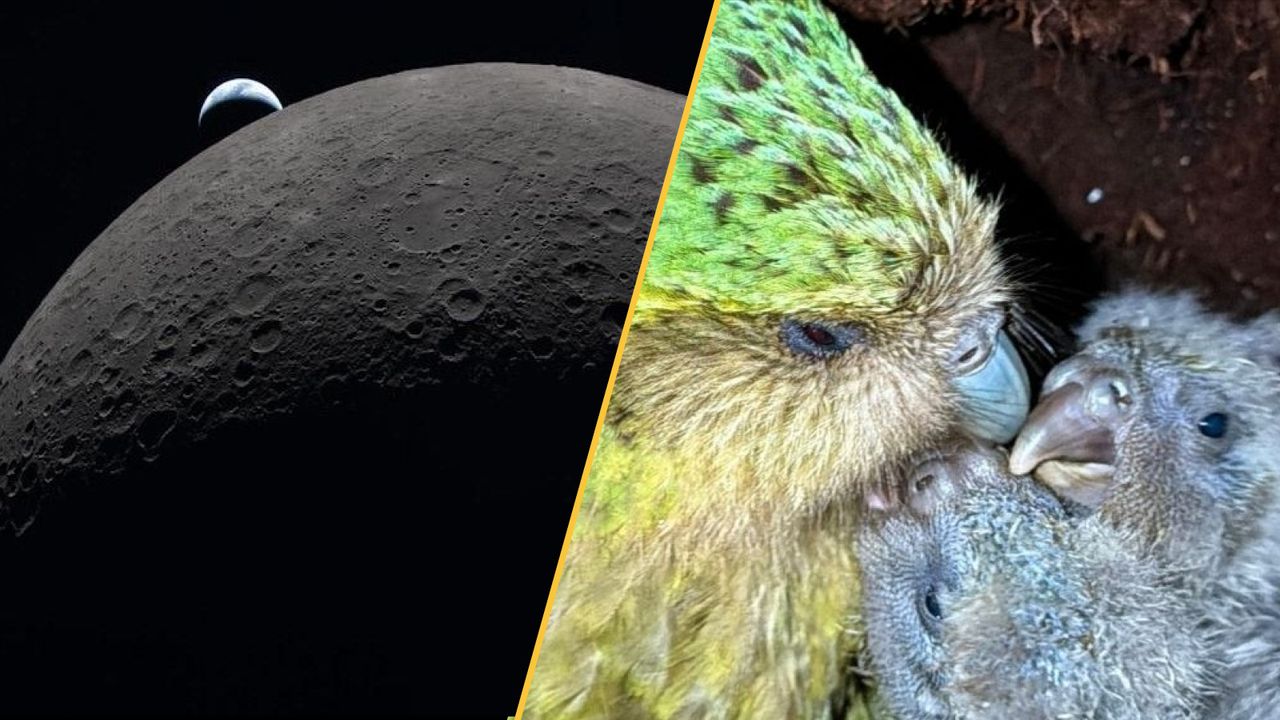
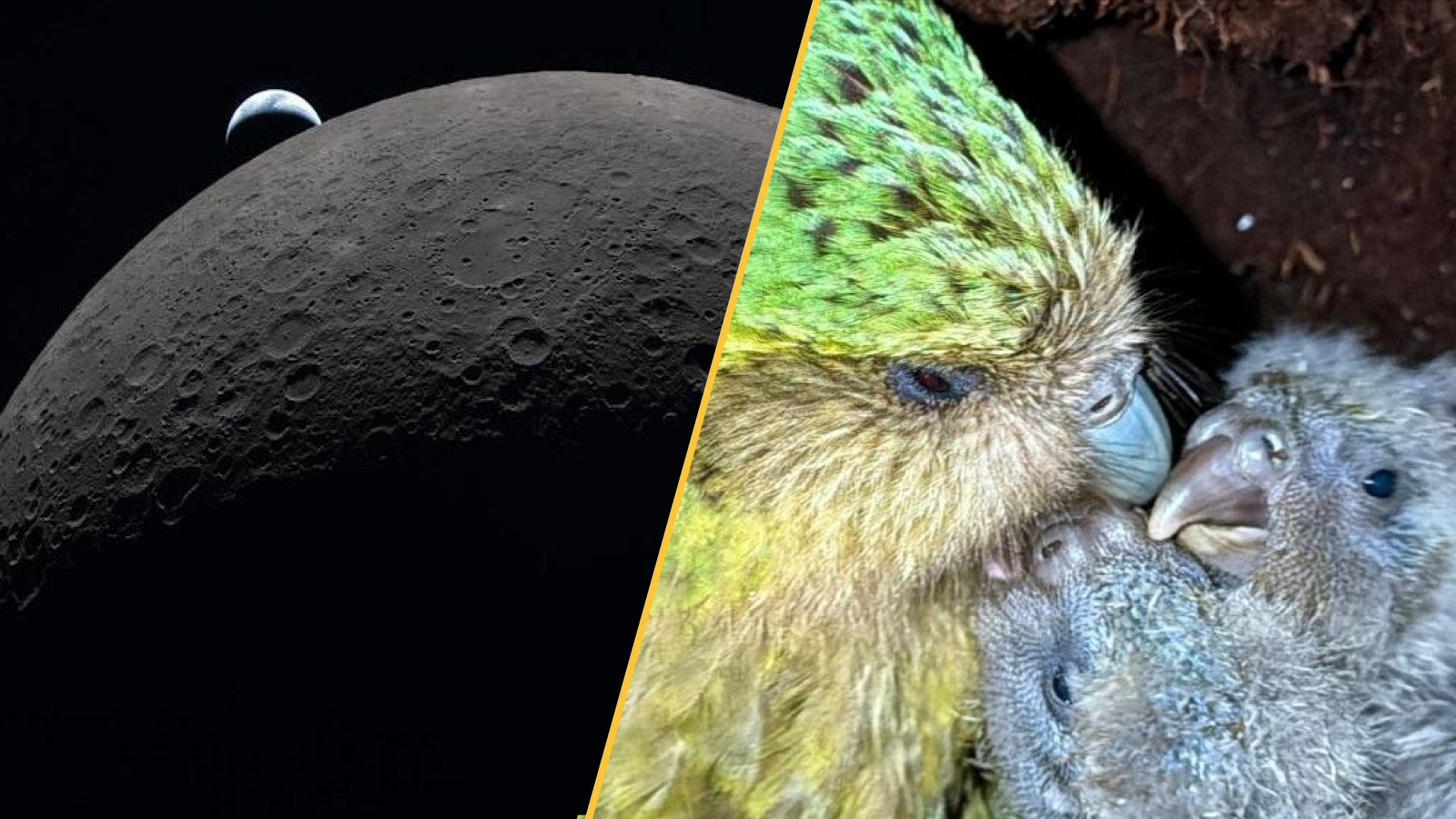 Artemis II splashes down, the kākāpō bounces back, the Shroud of Turin gets weirder, and a functional cure for type 1 diabetes.
(Image credit: NASA | Sarah Manktelow/DOC)
Jump to:
Artemis II splashes down, the kākāpō bounces back, the Shroud of Turin gets weirder, and a functional cure for type 1 diabetes.
(Image credit: NASA | Sarah Manktelow/DOC)
Jump to:
- World's fattest parrot bounces back
- Life's Little Mysteries
- The Iran war is a climate catastrophe
- Also in science news this week
- Science Spotlight
- Something for the weekend
- Science news in pictures
- Follow Live Science on social media
- Copy link
- X
Get the world’s most fascinating discoveries delivered straight to your inbox.
Become a Member in Seconds
Unlock instant access to exclusive member features.
Contact me with news and offers from other Future brands Receive email from us on behalf of our trusted partners or sponsors By submitting your information you agree to the Terms & Conditions and Privacy Policy and are aged 16 or over.You are now subscribed
Your newsletter sign-up was successful
Want to add more newsletters?

Delivered Daily
Daily Newsletter
Sign up for the latest discoveries, groundbreaking research and fascinating breakthroughs that impact you and the wider world direct to your inbox.
Signup +
Once a week
Life's Little Mysteries
Feed your curiosity with an exclusive mystery every week, solved with science and delivered direct to your inbox before it's seen anywhere else.
Signup +
Once a week
How It Works
Sign up to our free science & technology newsletter for your weekly fix of fascinating articles, quick quizzes, amazing images, and more
Signup +
Delivered daily
Space.com Newsletter
Breaking space news, the latest updates on rocket launches, skywatching events and more!
Signup +
Once a month
Watch This Space
Sign up to our monthly entertainment newsletter to keep up with all our coverage of the latest sci-fi and space movies, tv shows, games and books.
Signup +
Once a week
Night Sky This Week
Discover this week's must-see night sky events, moon phases, and stunning astrophotos. Sign up for our skywatching newsletter and explore the universe with us!
Signup +Join the club
Get full access to premium articles, exclusive features and a growing list of member rewards.
Explore An account already exists for this email address, please log in. Subscribe to our newsletterThis week's science news was moonstruck by updates from the Artemis II mission, which saw four astronauts swing around the moon's far side before splashing down safely in the Pacific Ocean.
This nail-biting final stage of the mission, which Live Science covered with minute-by-minute live updates, was a key test of the Orion capsule's heat shield. Despite some concerns, the protective layer held up under scorching heat, and the crewmembers' just under 25,000 mph (40,000 km/h) return made them contenders for the fastest humans in history.
World's fattest parrot bounces back
World's fattest parrot — on the verge of extinction 30 years ago — has record-breaking breeding season
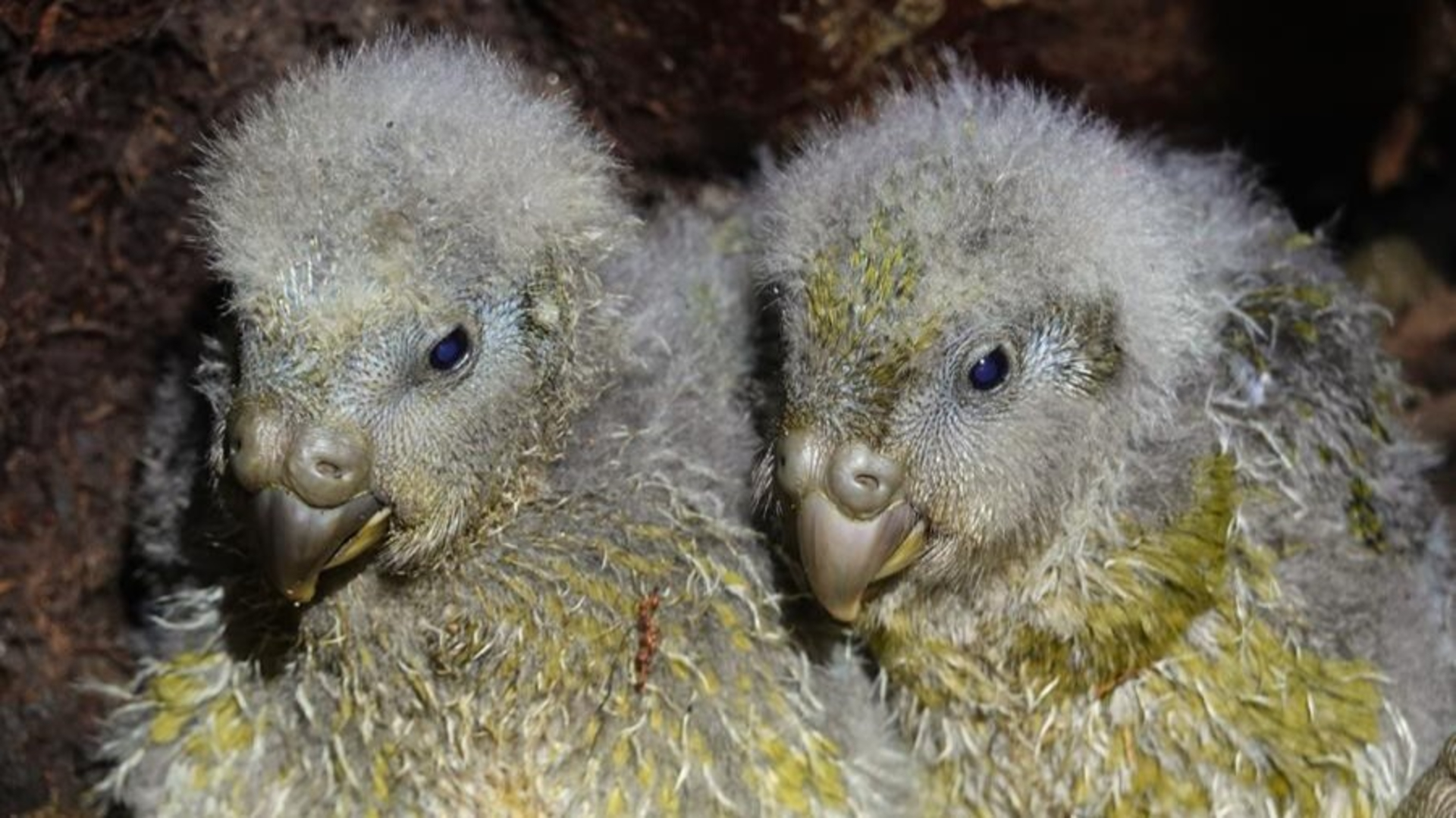
While people soared around the moon and back, Live Science also spared some time for flightless, portly parrots of New Zealand that are swinging back from the brink of extinction with a record-breaking breeding season.
The kakapo (Strigops habroptilus) almost went extinct in the 1990s due to hunting, habitat destruction and the introduction of new predators. But thanks to a major recovery program, the species just celebrated its 105th egg hatching this season — the most in 30 years.
Not all of these chicks will survive to be reintroduced, and their time in the wild will prove challenging — but it's still news that should help the world's heaviest parrot keep its beak up.
Sign up for the Live Science daily newsletter nowContact me with news and offers from other Future brandsReceive email from us on behalf of our trusted partners or sponsorsBy submitting your information you agree to the Terms & Conditions and Privacy Policy and are aged 16 or over.Discover more animals and planet Earth news
—Fossil site in China reveals bevy of complex creatures lived prior to the Cambrian explosion, including a 'Dune'-like sandworm
—'In every continent where humans are present, water bankruptcy is manifesting itself': Exiled Iranian scientist Kaveh Madani on our desperate need to preserve our most precious resource
—California declared war on smog in the 1970s. The knock-on effects were huge.
Life's Little Mysteries
Do the microbes in your gut influence what foods you like?

Our gut bacteria affect more than just digestion; they are also linked to our mood, weight, sleep, immune system and even how we smell. But can gut microbes also play a role in which foods we crave?
—If you enjoyed this, sign up for our Life's Little Mysteries newsletter
The Iran war is a climate catastrophe
Shroud of Turin, claimed to be Jesus' burial cloth, contaminated with carrot and red coral DNA
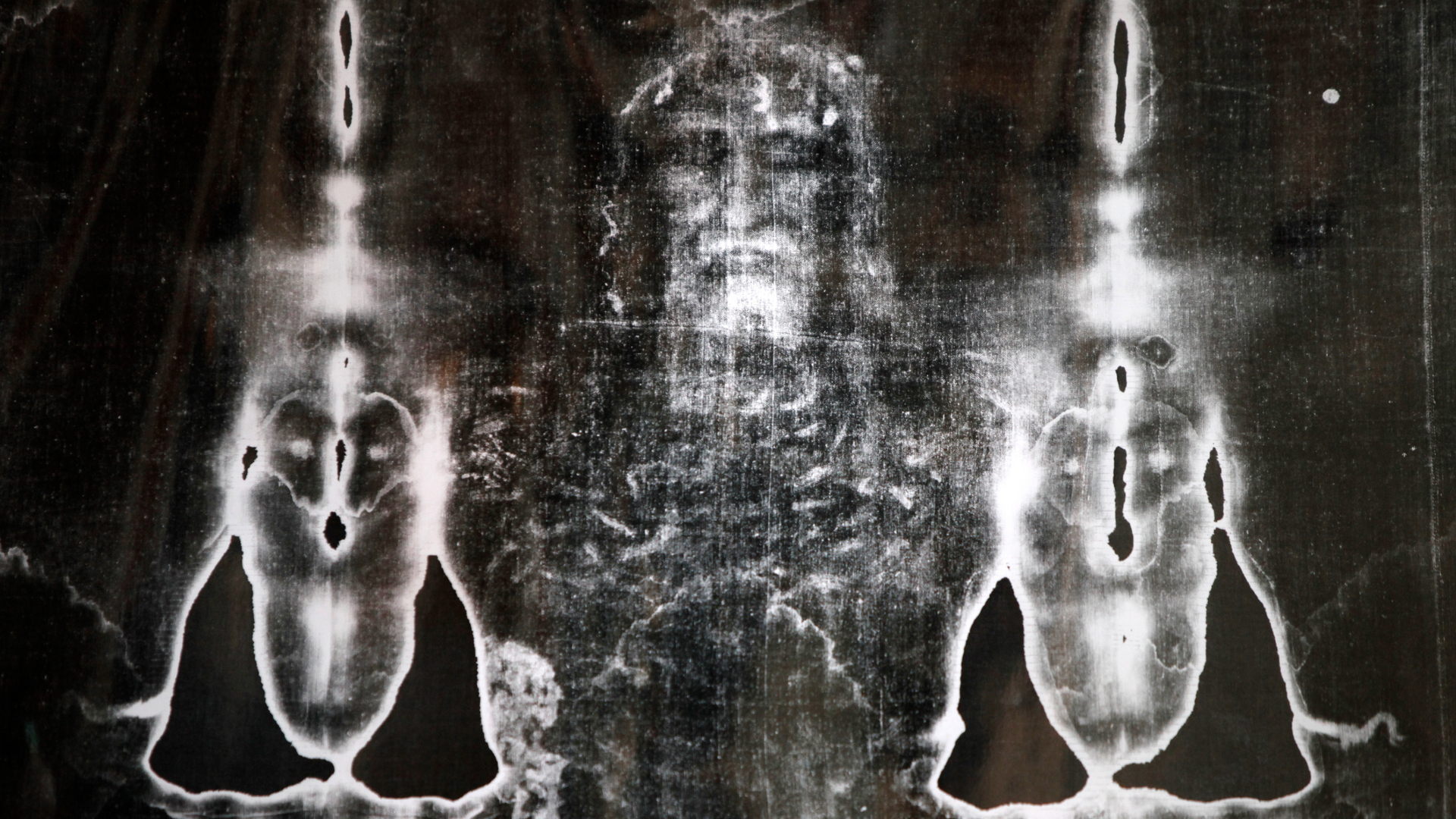
The Shroud of Turin, which some people claim is the burial cloth of Jesus, received a DNA analysis with intriguing findings, we recently learned.
First, the shroud contains the DNA of multiple people and many other species, including carrots, melons and red coral. Some of this DNA suggests the shroud could have come from India, but other experts disagree.
Overall, the scientific evidence still supports arguments that the Shroud of Turin is a medieval fake, scholars told us.
Discover more archaeology news
—DNA reveals ancestry of man buried in Stone Age monument in Spain, but his religion remains a mystery
—'They could spend 4 or 5 hours per day underwater': How humans adapted to the most challenging environments
—16th-century silver coin discovered near Strait of Magellan marks the spot of a doomed Spanish colony
Also in science news this week
—'RIP, Comet MAPS': Watch the superbright sungrazer become a 'headless wonder' after being ripped apart by the sun
—We went to Finland to hear about the new 'sand battery' that will turn stored renewable energy back into power for the electrical grid
—Western states face above-normal wildfire threats this summer. New maps reveal which areas are most at risk.
—'No one knows what they are': Researchers discover new type of cell that's seen only during pregnancy
—AI 'mirages' mean tools used to analyze medical scans could fabricate their findings
Science Spotlight
'A cure on the horizon': Are we finally close to ending type 1 diabetes?
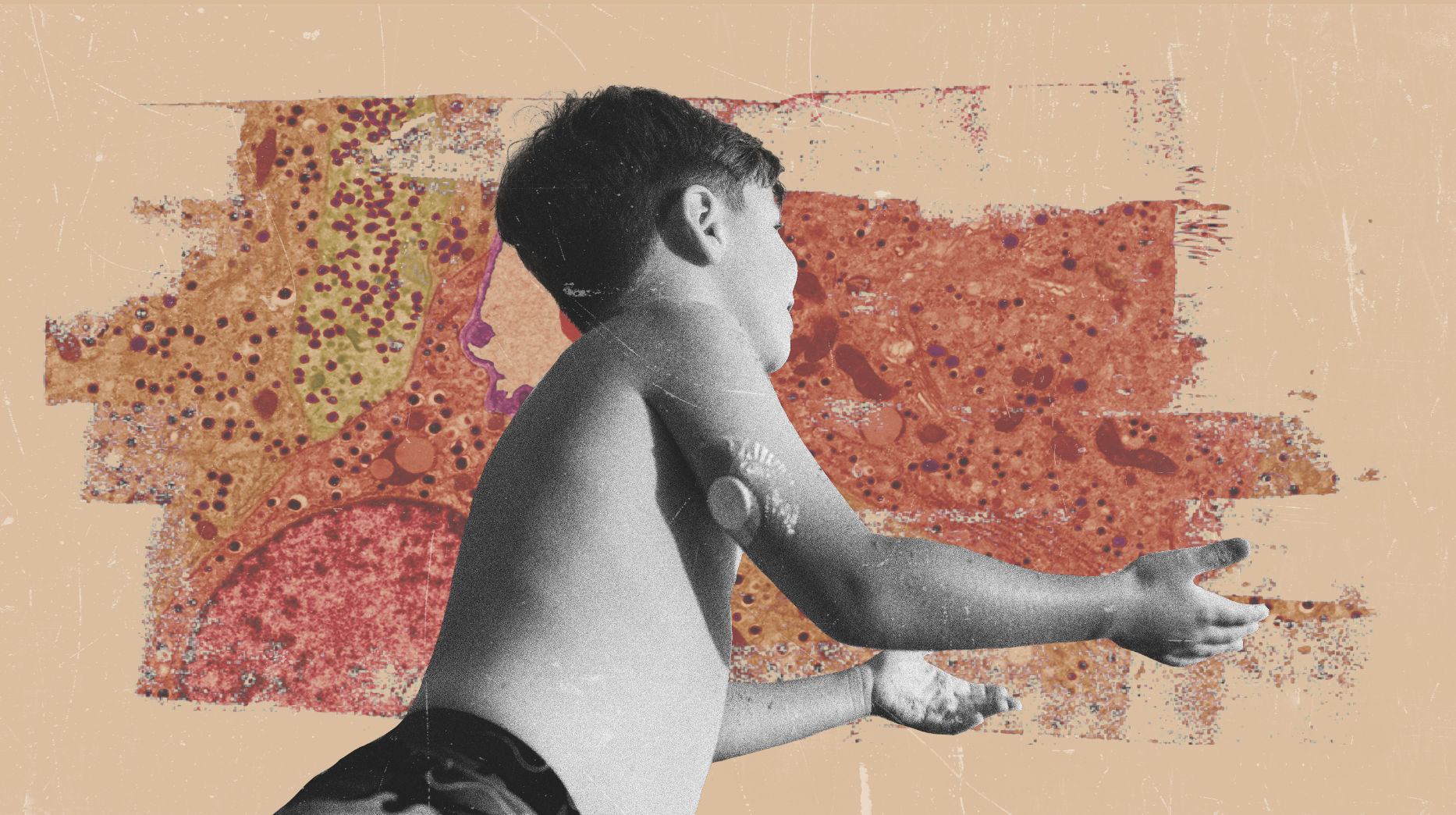
Scientists have proclaimed that a cure for type 1 diabetes is imminent for a while now, but with functional cures now appearing on the horizon, they could finally be right.
Someone who is closely familiar with type 1 diabetes is Live Science's editor-in-chief of premium reporting Tia Ghose, whose sixth grader has the disease. In this Science Spotlight, she wrote a moving deep dive into cutting-edge therapies set to make the daily management of the disease a thing of the past.
Something for the weekend
If you're looking for something a little longer to read over the weekend, here are some of the best interviews, crosswords and opinion pieces published this week.
—'They are literally everywhere': The shocking story of how forever chemicals polluted the world [Interview]
—Live Science crossword puzzle #38: Largest non-polar desert in the world — 10 across [Crossword]
—I've witnessed nearly 100 rocket launches. Artemis II was like nothing I've ever experienced. [Opinion]
Science news in pictures
'So much magic': Artemis II shares first images from the far side of the moon, including new 'Earthset' and total eclipse in space
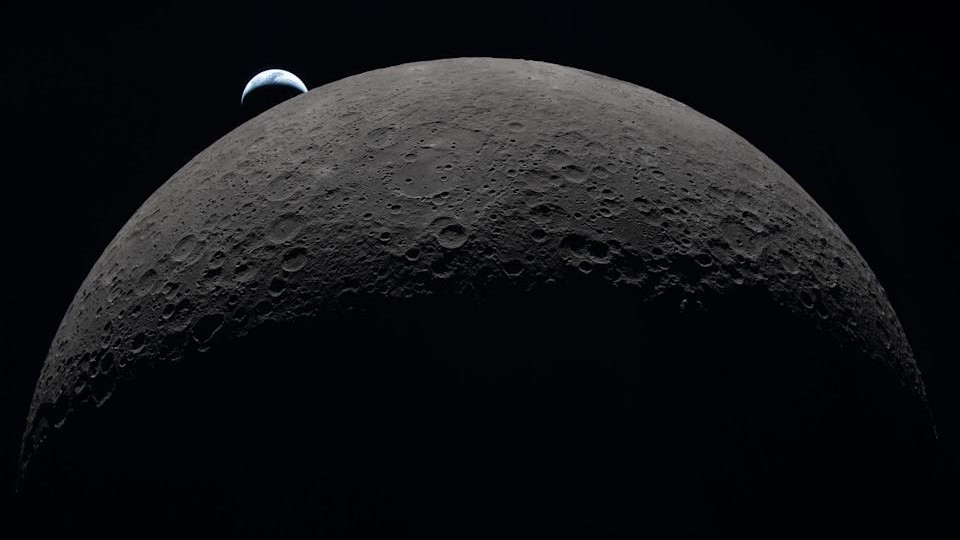
NASA released its first batch of photos taken by the Artemis II astronauts during their historic lunar flyby this week, and they are absolutely stunning.
There are so many amazing images from the mission to choose from, but the standout remains the zoomed-out shot of "Earthset," which shows our planet disappearing behind the moon's pockmarked face, an advancing shadow delineating the night side where billions of humans slept.
Follow Live Science on social media
Want more science news? Follow our Live Science WhatsApp Channel for the latest discoveries as they happen. It's the best way to get our expert reporting on the go, but if you don't use WhatsApp we're also on Facebook, X (formerly Twitter), Flipboard, Instagram, TikTok, Bluesky and LinkedIn.
TOPICS Science news this week Ben TurnerSocial Links NavigationActing Trending News Editor
Ben Turner is a U.K. based writer and editor at Live Science. He covers physics and astronomy, tech and climate change. He graduated from University College London with a degree in particle physics before training as a journalist. When he's not writing, Ben enjoys reading literature, playing the guitar and embarrassing himself with chess.
View MoreYou must confirm your public display name before commenting
Please logout and then login again, you will then be prompted to enter your display name.
Logout LATEST ARTICLES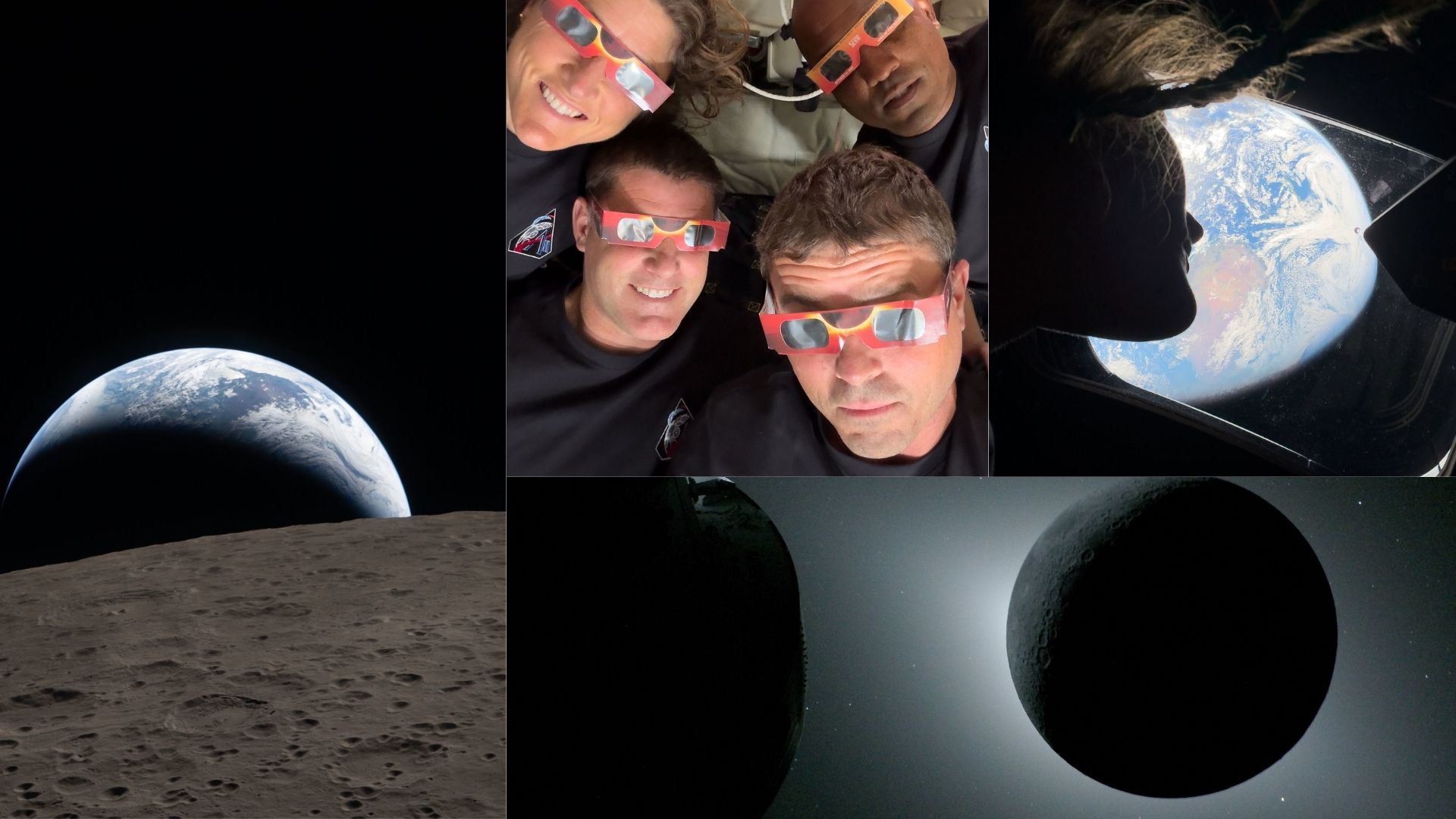 110 Artemis II photos that define humanity's return to the moon
- 2Do the microbes in your gut influence what foods you like?
- 3'I'm at a loss for words': Artemis II mission comes home to joy and cheers after historic 10-day mission
- 4There are 'reasons to be confident' about faulty Artemis II heat shield ahead of 25,000 mph reentry, space expert Ed Macaulay says
- 5The moon is green and brown? Why scientists are already excited about Artemis II's historic lunar photos