- Space
- Astronomy
- The Moon
Live Science spoke with Rebecca Boyle, author of "Our Moon" about how the moon has been viewed both culturally and scientifically through history.
When you purchase through links on our site, we may earn an affiliate commission. Here’s how it works.
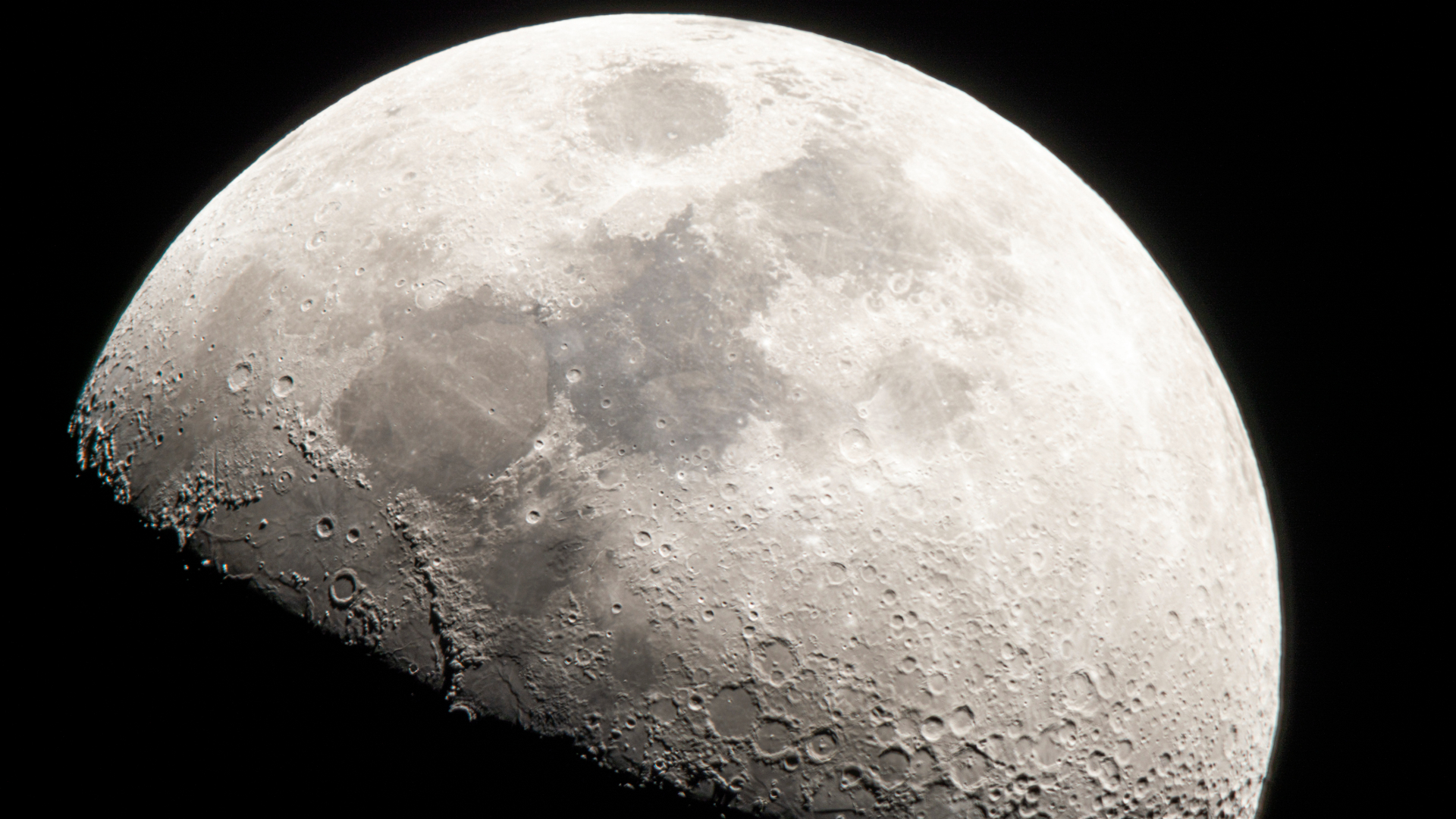 A closeup of the moon's northern hemisphere.
(Image credit: Roberto Moiola / Sysaworld via Getty Images)
A closeup of the moon's northern hemisphere.
(Image credit: Roberto Moiola / Sysaworld via Getty Images)
- Copy link
- X
Get the world’s most fascinating discoveries delivered straight to your inbox.
Become a Member in Seconds
Unlock instant access to exclusive member features.
Contact me with news and offers from other Future brands Receive email from us on behalf of our trusted partners or sponsors By submitting your information you agree to the Terms & Conditions and Privacy Policy and are aged 16 or over.You are now subscribed
Your newsletter sign-up was successful
Want to add more newsletters?
Delivered Daily
Daily Newsletter
Sign up for the latest discoveries, groundbreaking research and fascinating breakthroughs that impact you and the wider world direct to your inbox.
Signup +
Once a week
Life's Little Mysteries
Feed your curiosity with an exclusive mystery every week, solved with science and delivered direct to your inbox before it's seen anywhere else.
Signup +
Once a week
How It Works
Sign up to our free science & technology newsletter for your weekly fix of fascinating articles, quick quizzes, amazing images, and more
Signup +
Delivered daily
Space.com Newsletter
Breaking space news, the latest updates on rocket launches, skywatching events and more!
Signup +
Once a month
Watch This Space
Sign up to our monthly entertainment newsletter to keep up with all our coverage of the latest sci-fi and space movies, tv shows, games and books.
Signup +
Once a week
Night Sky This Week
Discover this week's must-see night sky events, moon phases, and stunning astrophotos. Sign up for our skywatching newsletter and explore the universe with us!
Signup +Join the club
Get full access to premium articles, exclusive features and a growing list of member rewards.
Explore An account already exists for this email address, please log in. Subscribe to our newsletterFor most of human history, the moon has been more than a distant object in our night sky. It has served as a clock, a guide, a deity and a scientific focus. Now, as NASA's Artemis II mission returns astronauts to the lunar system for the first time in over 50 years, humanity's relationship with our celestial neighbor may never be the same.
In her book "Our Moon: How Earth's Celestial Companion Transformed the Planet, Guided Evolution, and Made Us Who We Are" (Penguin Random House, 2025), science writer Rebecca Boyle traces that deep relationship, showing how the moon has shaped not just Earth itself but also the way we understand our place in the universe. The book journeys through history with a lunar lens, with Boyle weaving science with civilization and culture.
You may like-
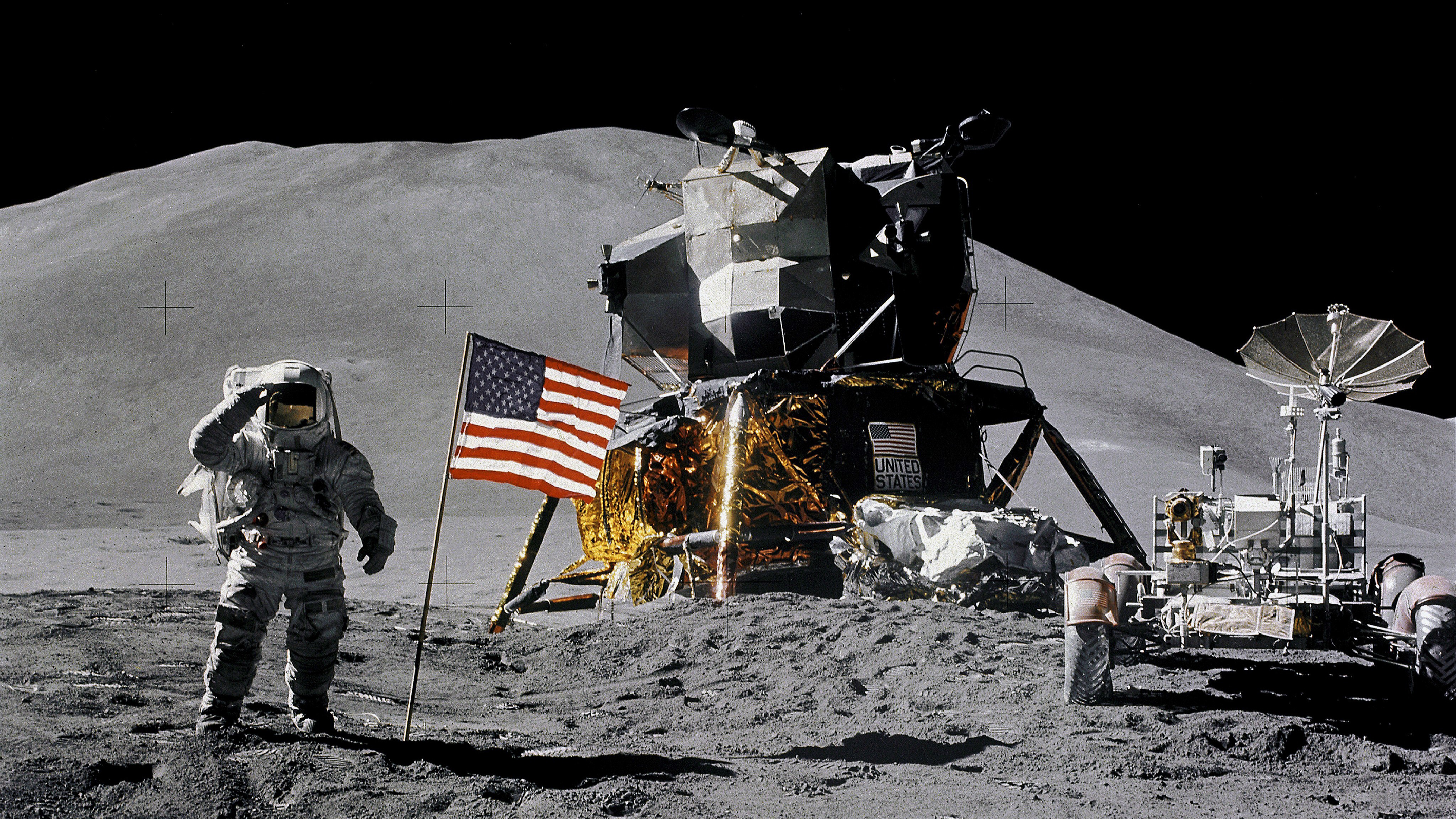 Artemis II: NASA is preparing for a return to the moon, but why is it going back?
-
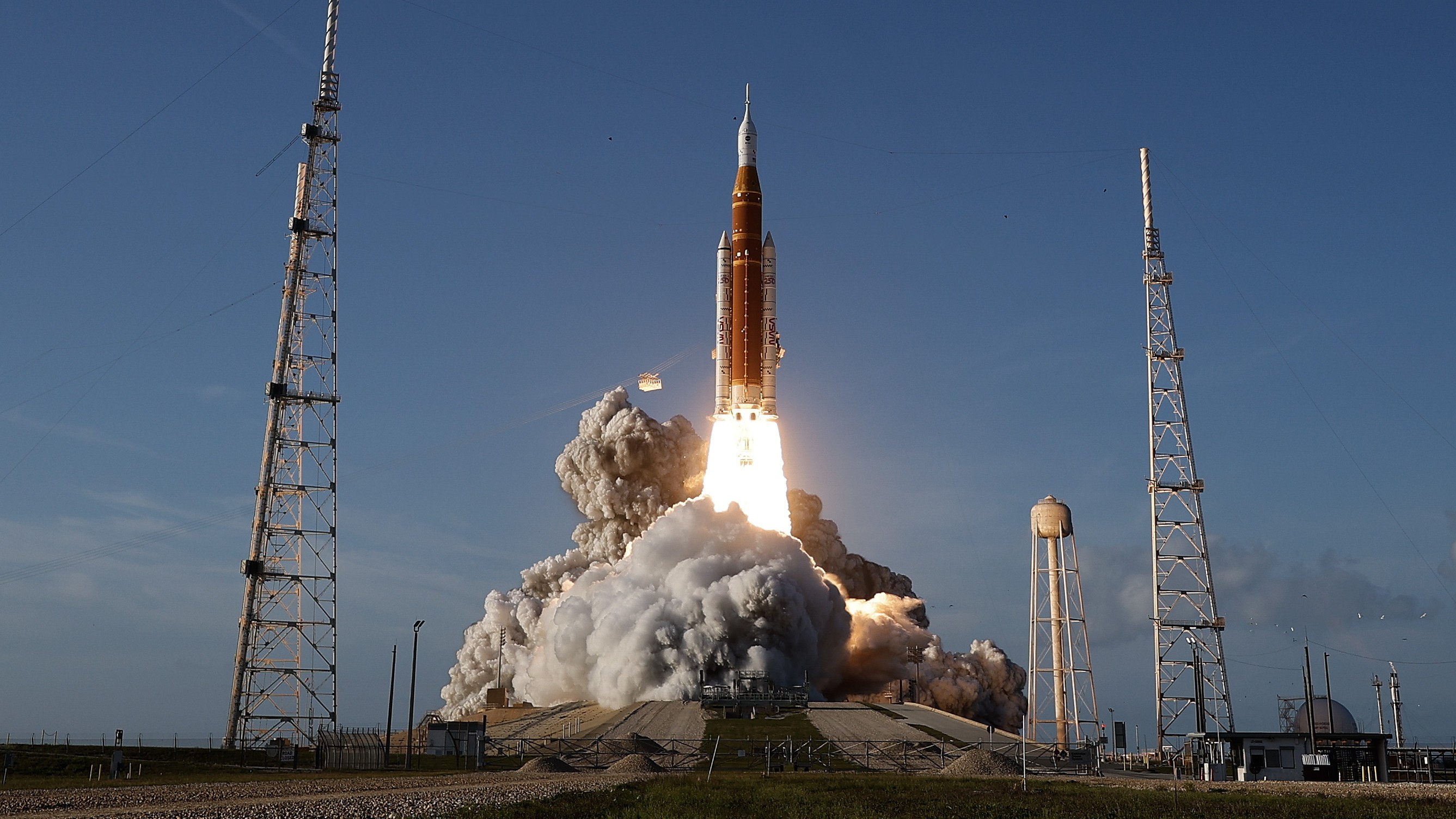 In photos: Artemis II's historic launch for the moon
-
 Astronauts will 'absolutely be test subjects': NASA's moon base dreams could have a human cost
Kenna Hughes-Castleberry: What are some of the biggest ways humanity's view of the moon has changed over the centuries?
Rebecca Boyle: This is something that I did in my book, was try to figure out what are the earliest relationships people had to the moon. As far as I could find, and as far as there are records for, I think the oldest relationship we have with the moon is through timekeeping — so for serving this practical use of letting us know how much time has passed and, crucially, helping us plan for future time, which is a pretty uniquely human characteristic as far as we know.

People developed calendars using the moon on every continent on Earth. We still use some of those today. The Hebrew calendar is still a lunar calendar; the Islamic calendar is still a lunar solar calendar. In Asia, it's still the primary timekeeping system, which is why we have the Lunar New Year in China.
Soon after that, we also used it as this sort of watchful deity. A personification of the moon is one of the oldest religious figures on Earth in all cultures that we've tracked back in time. And I think it's definitely changed since Apollo, in my opinion, since we walked up there and saw it was a real place, but I hope people still think about those old ways.
Sign up for the Live Science daily newsletter nowContact me with news and offers from other Future brandsReceive email from us on behalf of our trusted partners or sponsorsBy submitting your information you agree to the Terms & Conditions and Privacy Policy and are aged 16 or over.KHC: Why has the moon so often been both an object of science and a cultural symbol?
RB: It's the most obvious thing in the sky besides the sun. You might wonder, why is the moon the same size in the sky? Why is it always there too, and why does it provide so much illumination? So, it's an irrefutably important thing.
Once we learned other planets had moons, [we were] also wondering why they're different and what makes ours unique, and why it's so important to Earth and what it can tell us about Earth.
What to read next-
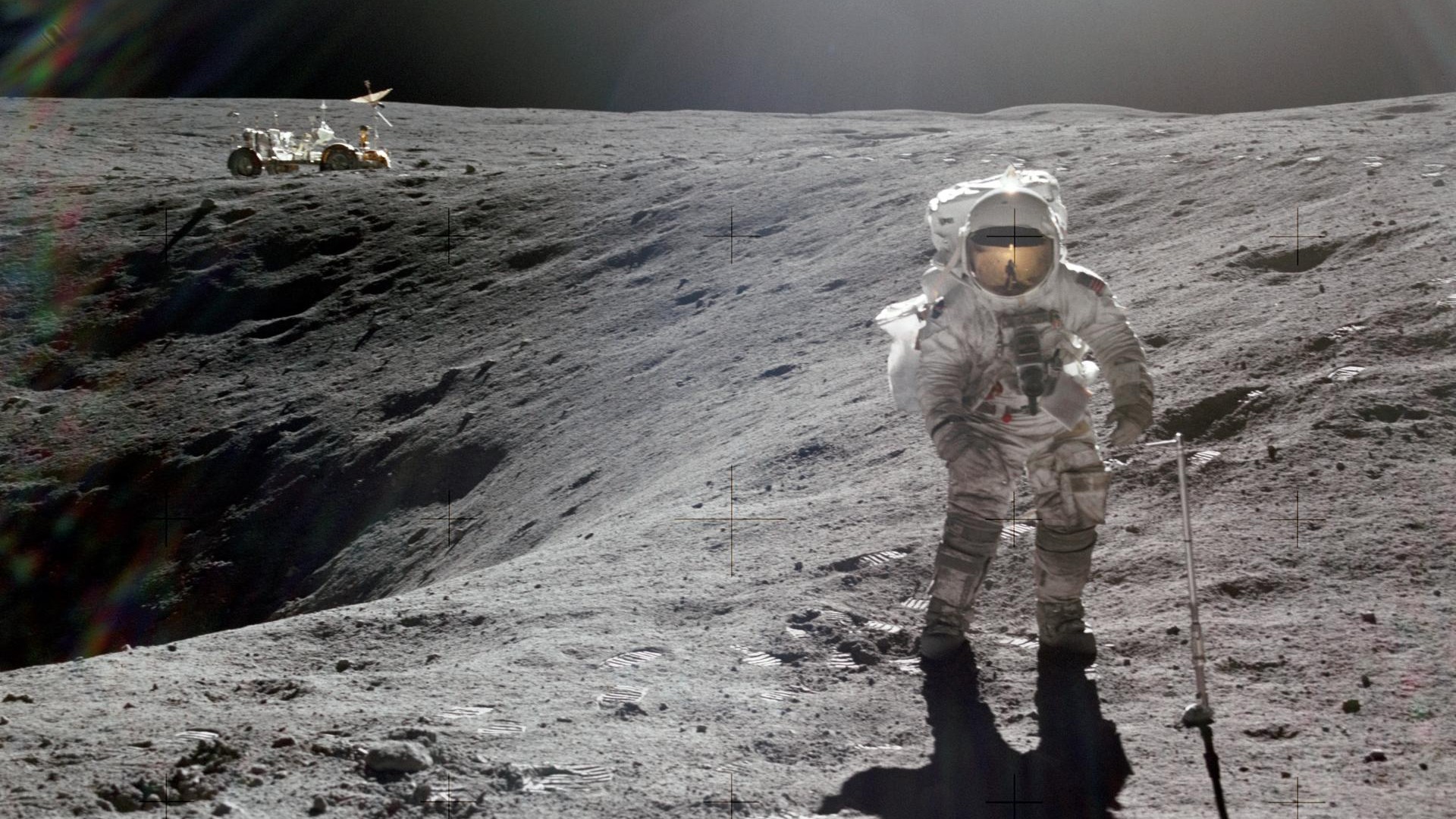 Fresh look at Apollo moon rocks solves decades-old lunar mystery
-
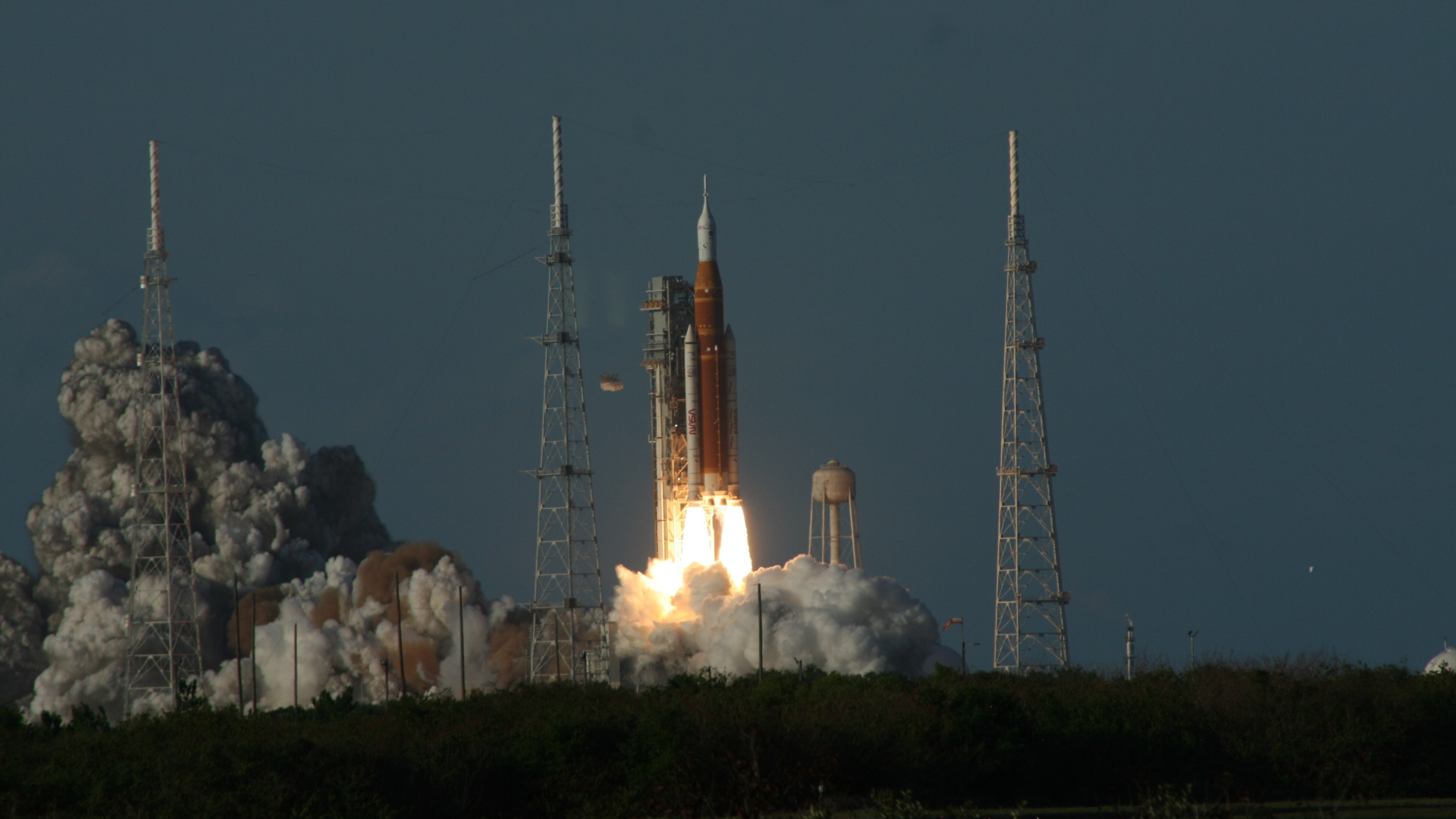 I've witnessed nearly 100 rocket launches. Artemis II was like nothing I've ever experienced.
-
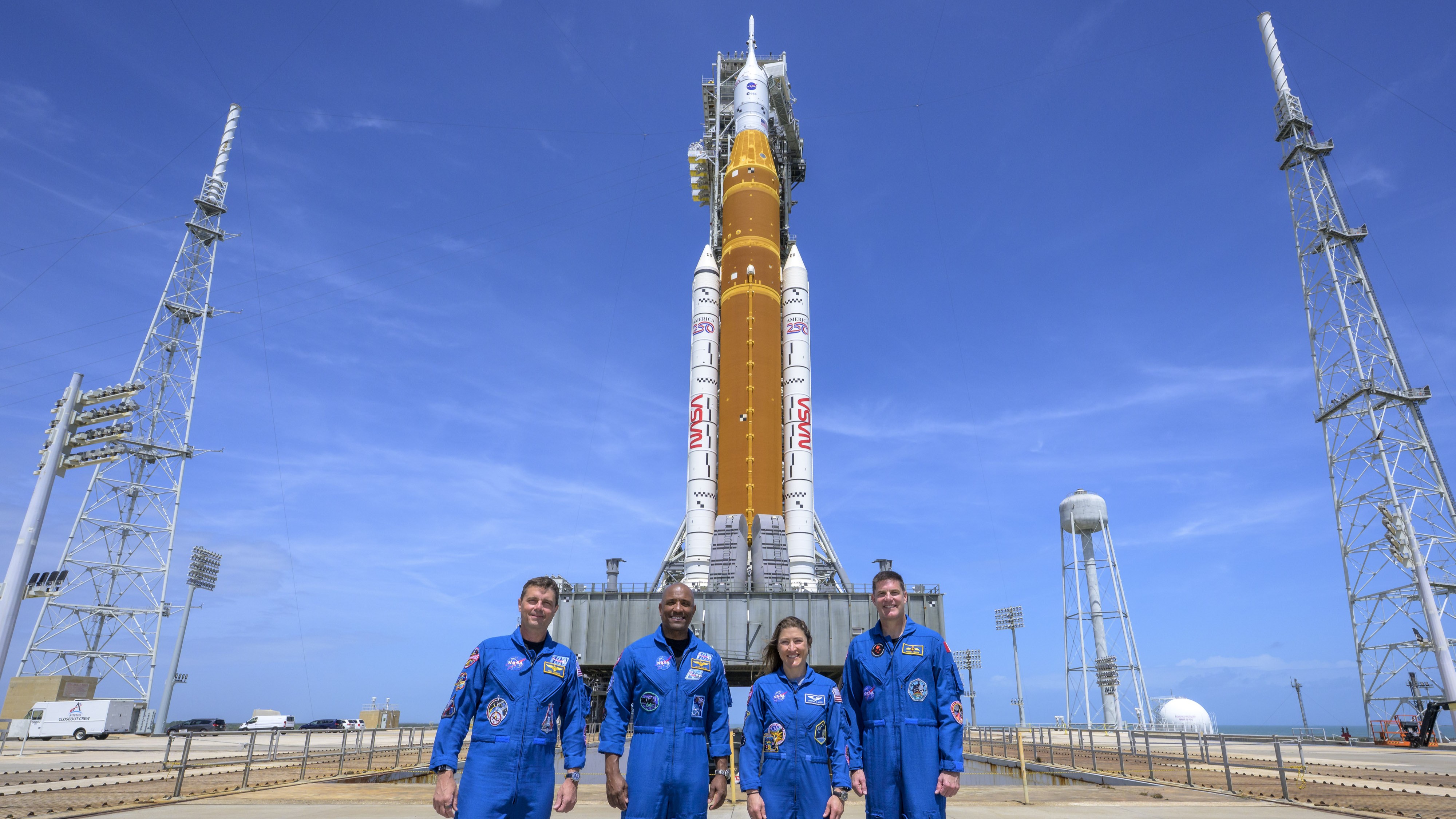 How to watch NASA's historic Artemis II launch for the moon
KHC: How did the Apollo era shape how we view the moon compared with previous generations?
RB: I think it made it real for the first time in a way that it's hard for us to recognize now, 50-plus years on. And I think it was a really transformative moment for the moon and our understanding of the moon — the fact that we actually made it up there and brought pieces of it home. We learned so much about the moon's composition and how it's different than we expected, and it tells us all these stories about the history of Earth. I think that's an ongoing story.
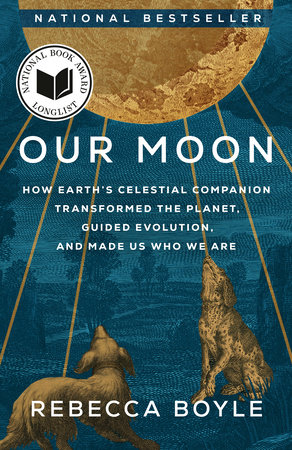
KHC: How do you think the Artemis II mission will change how we look at the moon?
RB: It's sort of this generation's moment to understand in a new way the connection between the moon and this planet and sort of reframe its importance to human history. It's the only moon like it that we've ever found. It's a huge object, [and] it's really far away. And that combination of facts plays a really important role in the climate of Earth, the geologic history of Earth, and the history of life.
I think there's a very solid argument that we wouldn't be here without it. The moons of Mars have nothing to do with Mars; they're just sort of there, like potatoes that just fly around Mars … whereas our moon is like a companion world, and I don't think people think of it that way — and I think Artemis is a chance for people to reframe that relationship.
KHC: From a cultural standpoint, what does it mean that we're going back to the moon and talking about future lunar missions and even a moon base?
RELATED STORIES- In photos: Artemis II's historic launch for the moon
- Artemis II: NASA is preparing for a return to the moon, but why is it going back?
- Artemis II timeline: 12 key steps that will take NASA astronauts to the moon and back
RB: One thing that's been on my mind a lot this week is that we take space for granted, [and] we take NASA for granted. This mission this week is evidence that the work happens on such long timescales with incredibly dedicated, intelligent people who really care, and they deserve our admiration, our respect, our taxpayer dollars … and our moral support.
I think just getting off Earth in that rocket is such an achievement that I think people take it for granted. And I hope this is like a wake-up call — these missions that all of a sudden crop up in the national consciousness have actually been building for years and decades. I think whatever reasons people have for paying attention to Artemis, I hope that they're realizing at the same time what it takes to do this.
Editor's note: This interview has been condensed and edited for clarity.
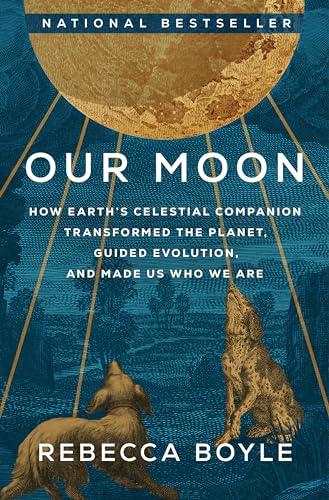
Boyle's book was a 2025 National Bestseller.
Test your lunar knowledge with our moon quiz!
TOPICS Artemis 2 Kenna Hughes-CastleberryContent Manager, Live Science
Kenna Hughes-Castleberry is the Content Manager at Live Science. Formerly, she was the Content Manager at Space.com and before that the Science Communicator at JILA, a physics research institute. Kenna is also a book author, with her upcoming book 'Octopus X' scheduled for release in spring of 2027. Her beats include physics, health, environmental science, technology, AI, animal intelligence, corvids, and cephalopods.
View MoreYou must confirm your public display name before commenting
Please logout and then login again, you will then be prompted to enter your display name.
Logout Read more
Space Exploration
Astronauts will 'absolutely be test subjects': NASA's moon base dreams could have a human cost
Space Exploration
I've witnessed nearly 100 rocket launches. Artemis II was like nothing I've ever experienced.
Space Exploration
How to watch NASA's historic Artemis II launch for the moon
 Space Exploration
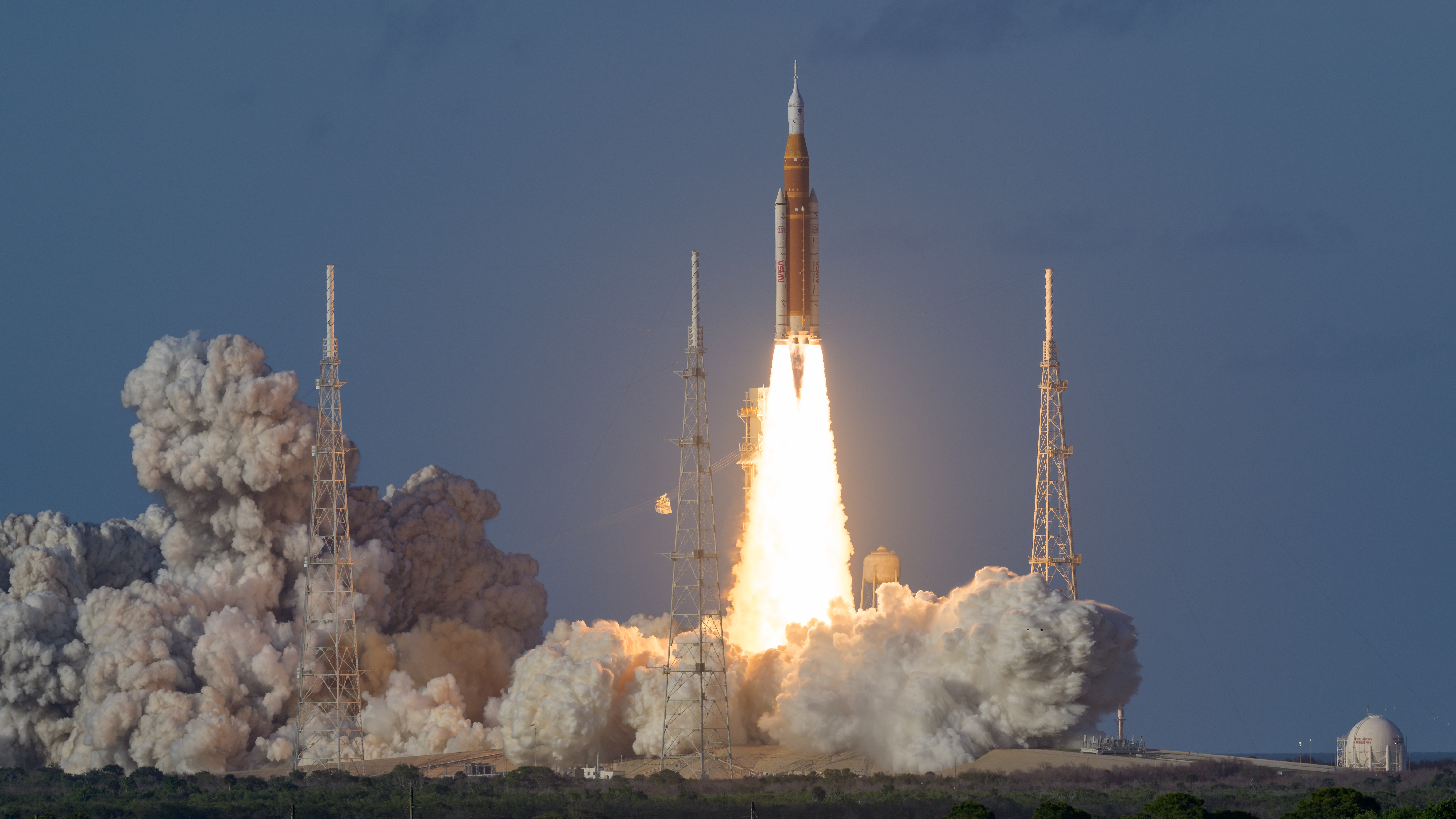
Artemis II blasts off: Humans are on their way back to the moon
Space Exploration
Artemis II blasts off: Humans are on their way back to the moon
 Space Exploration
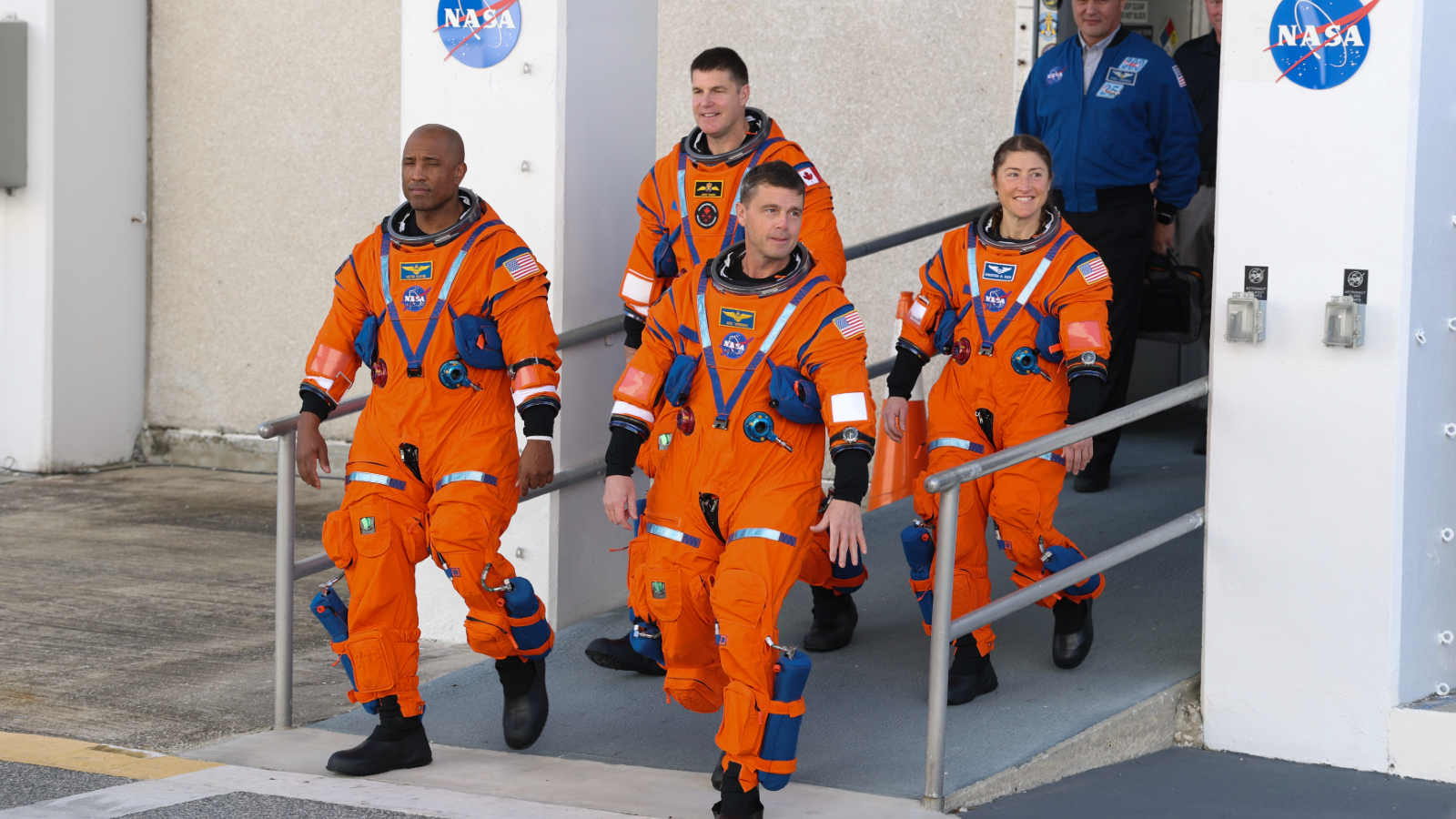
Farthest, fastest and most diverse: 6 major records the Artemis II astronauts will smash as NASA returns to the moon
Space Exploration
Farthest, fastest and most diverse: 6 major records the Artemis II astronauts will smash as NASA returns to the moon
 The Moon
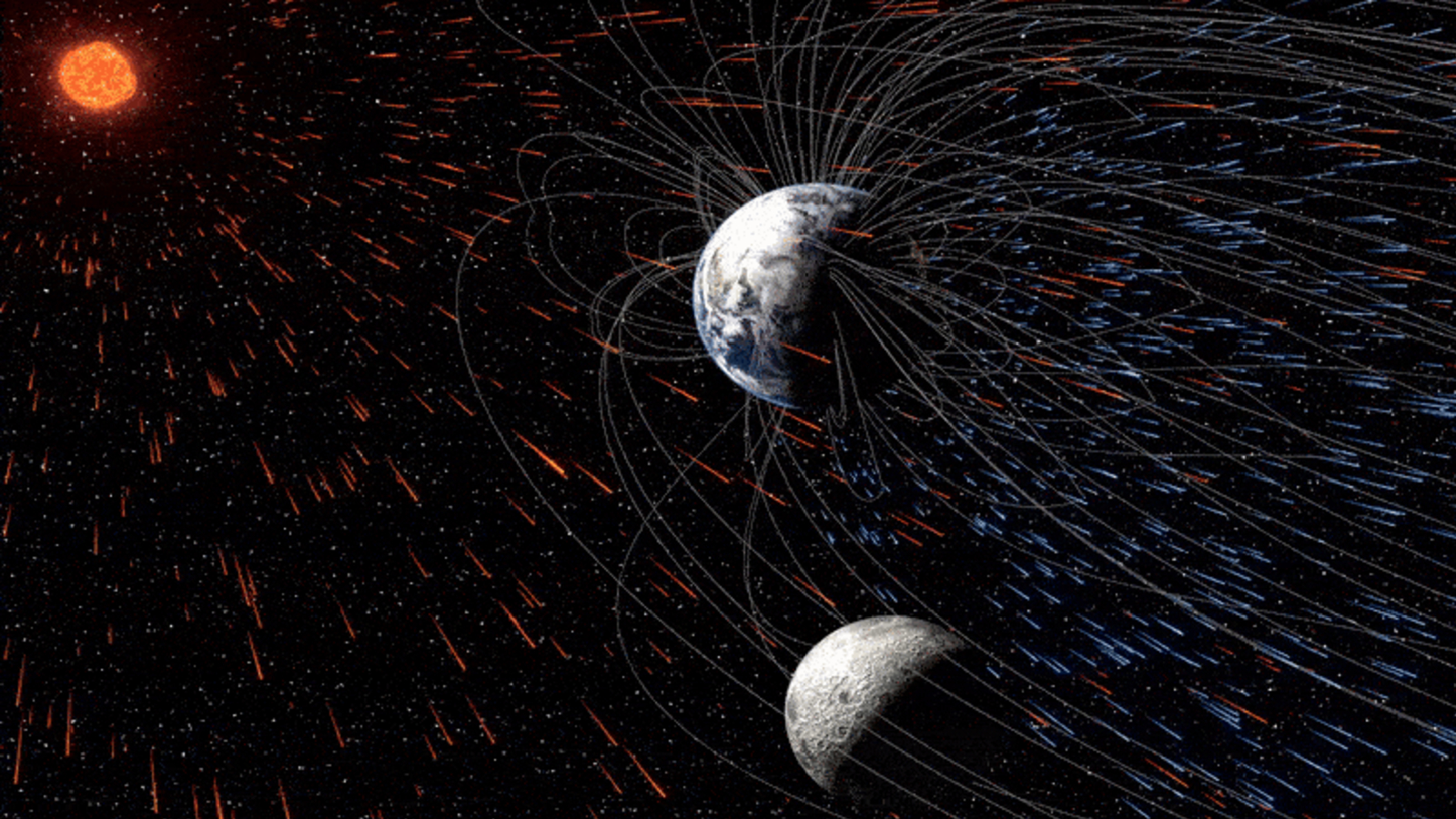
The moon has been secretly feasting on Earth's atmosphere for billions of years
Latest in The Moon
The Moon
The moon has been secretly feasting on Earth's atmosphere for billions of years
Latest in The Moon
 The Moon
How to catch the full 'Pink Moon' in April followed by a 'Blue Moon' in May
The Moon
How to catch the full 'Pink Moon' in April followed by a 'Blue Moon' in May
 The Moon
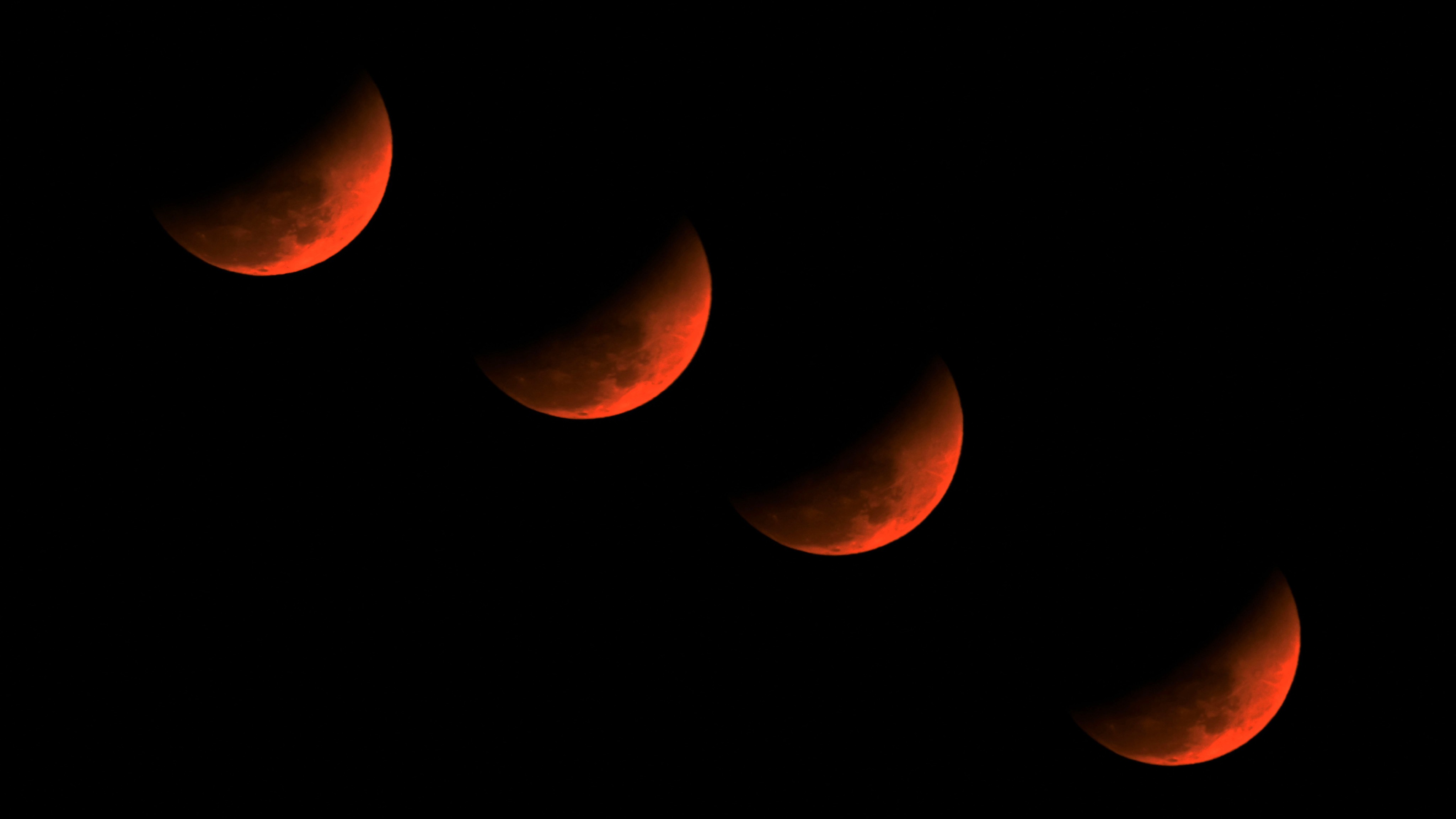
'Blood moon' total eclipse dazzles millions around the world (photos)
The Moon
Fresh look at Apollo moon rocks solves decades-old lunar mystery
The Moon
'Blood moon' total eclipse dazzles millions around the world (photos)
The Moon
Fresh look at Apollo moon rocks solves decades-old lunar mystery
 The Moon
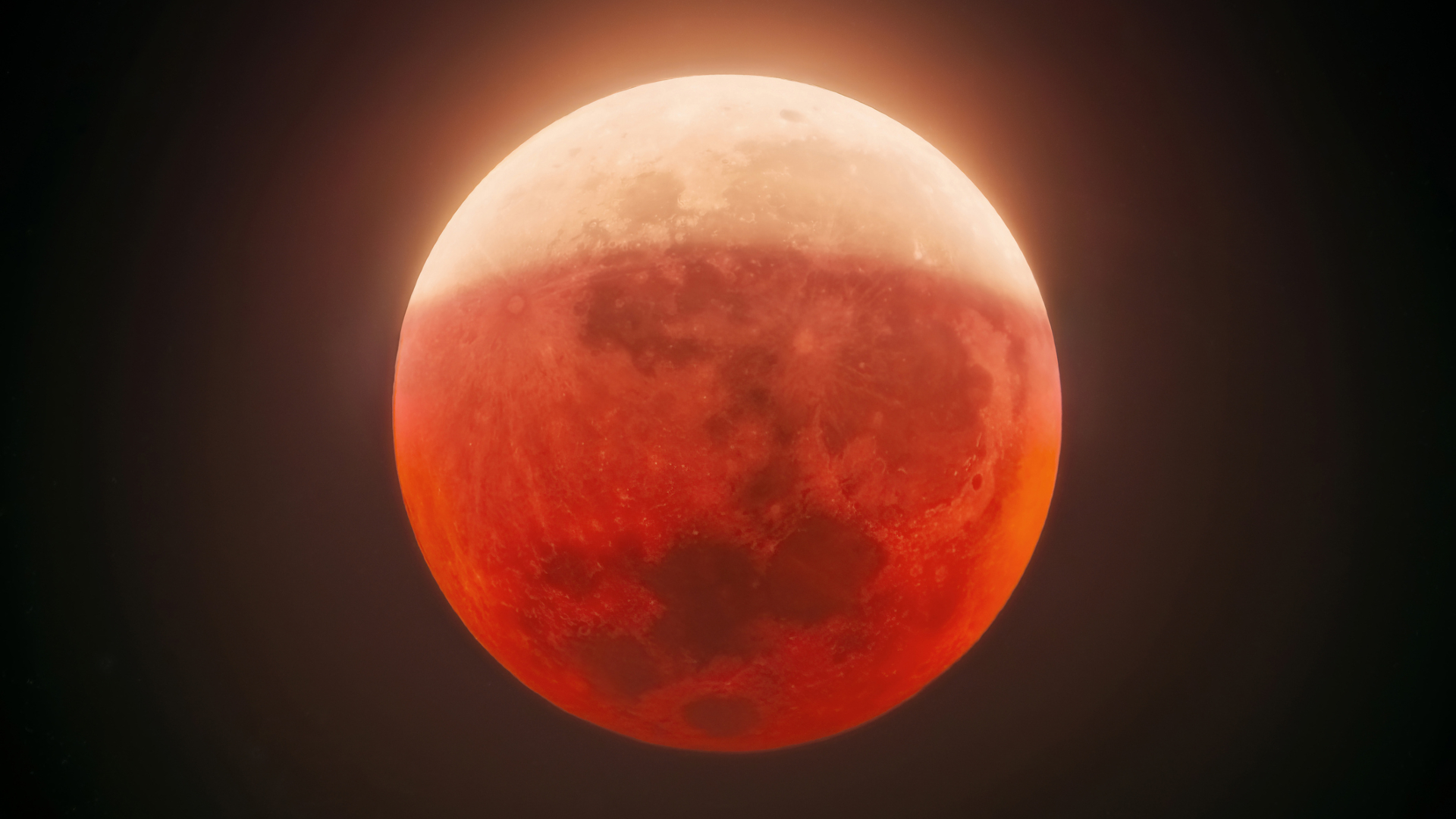
'Blood moon' total lunar eclipse: How to see the March 3 celestial spectacle from anywhere on Earth
The Moon
'Blood moon' total lunar eclipse: How to see the March 3 celestial spectacle from anywhere on Earth
 The Moon
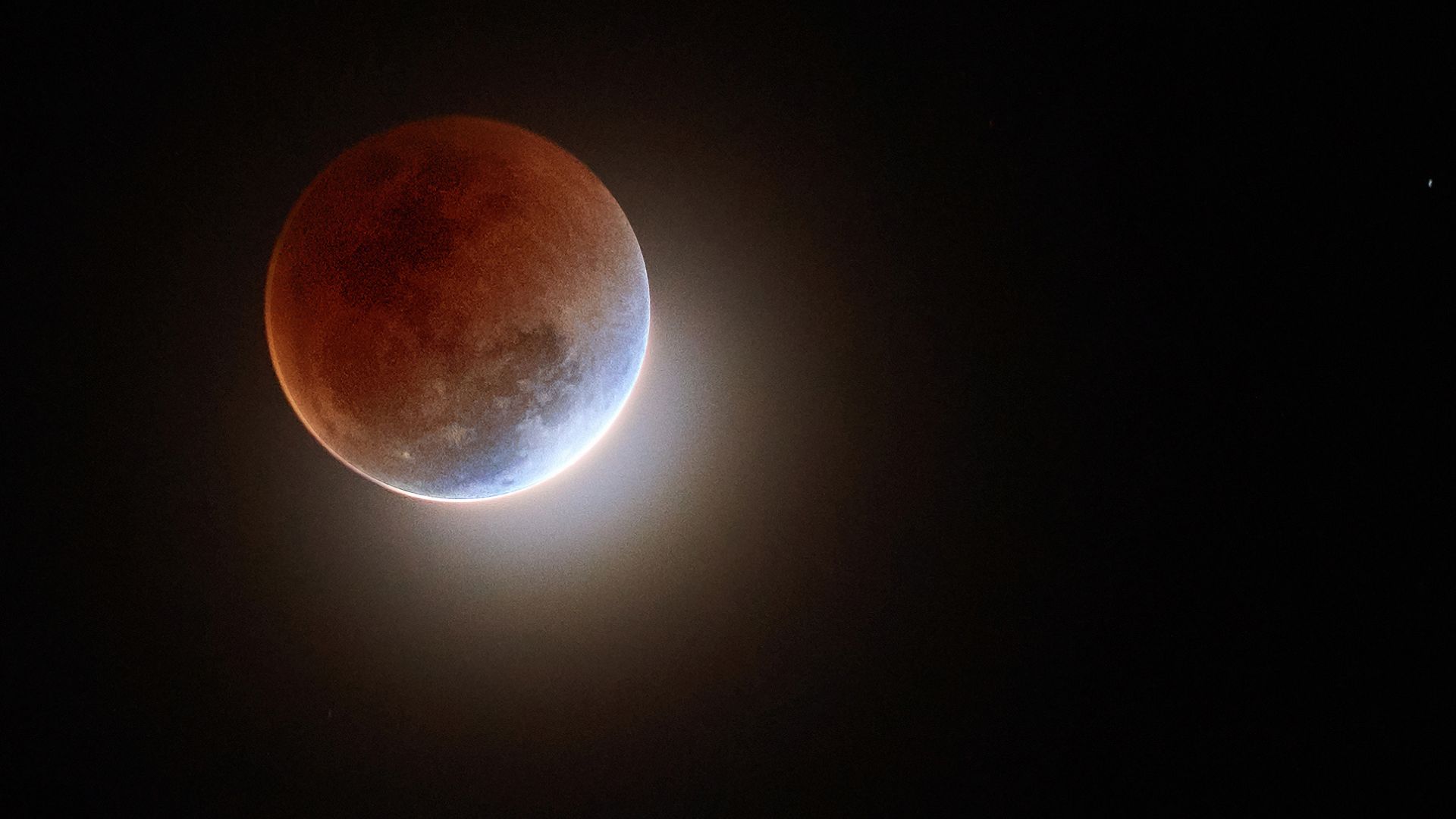
The US will see a rare 'blood moon' eclipse before sunrise this March: Where and when to look
The Moon
The US will see a rare 'blood moon' eclipse before sunrise this March: Where and when to look
 The Moon
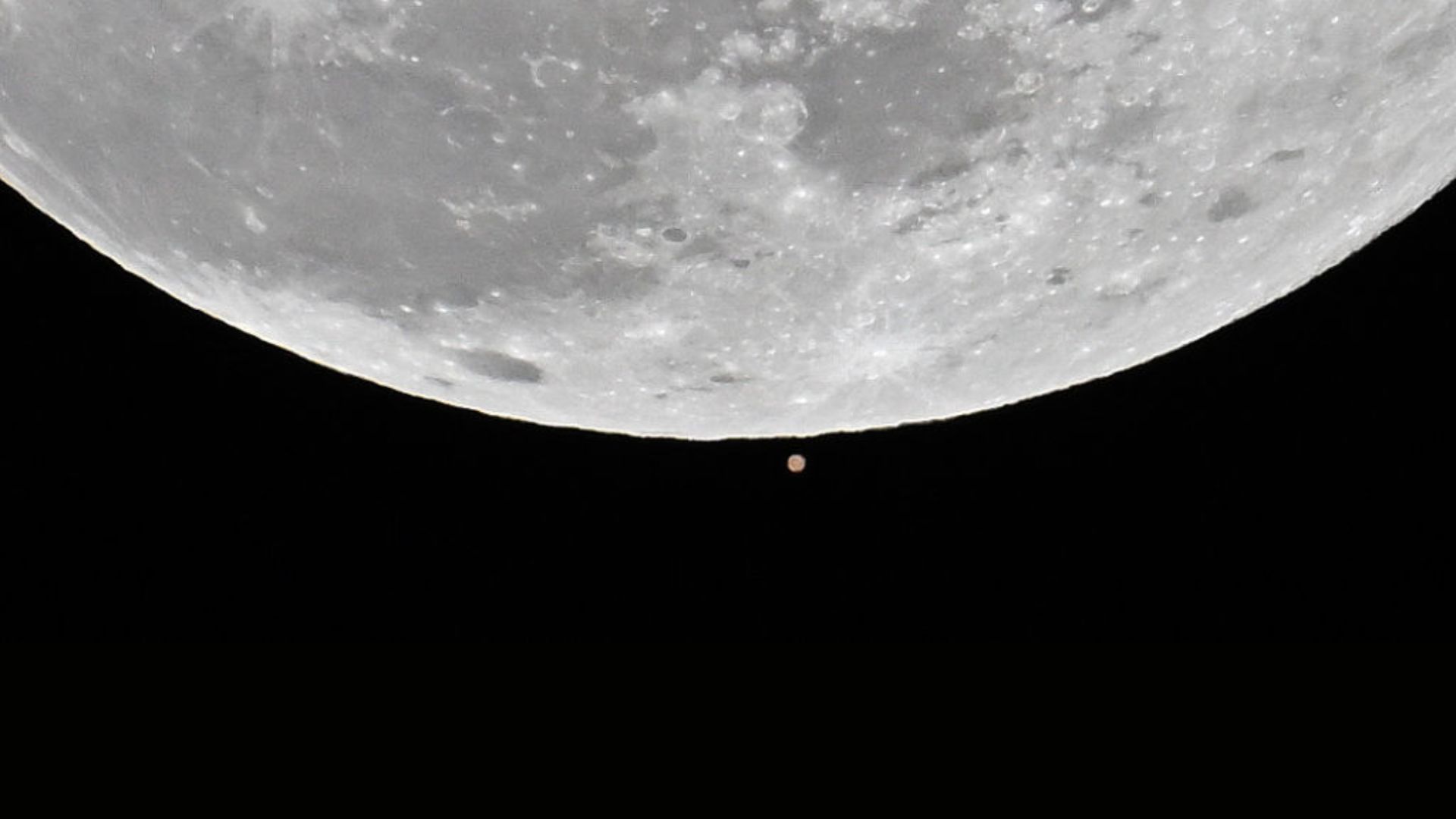
The Snow Moon will 'swallow' one of the brightest stars in the sky this weekend: Where and when to look
Latest in Interview
The Moon
The Snow Moon will 'swallow' one of the brightest stars in the sky this weekend: Where and when to look
Latest in Interview
 Human Evolution
'That's why there's 9 billion of us and not 9 billion of some other primate': Why our ability to adapt is humanity's 'superpower'
Human Evolution
'That's why there's 9 billion of us and not 9 billion of some other primate': Why our ability to adapt is humanity's 'superpower'
 Animals
'It's nature calling to humans, and humans deciding whether or not to reply': Why we need to start paying attention to our mutually beneficial relationships with other species
Animals
'It's nature calling to humans, and humans deciding whether or not to reply': Why we need to start paying attention to our mutually beneficial relationships with other species
 Health
Making a 'digital twin' of yourself could revolutionize future surgeries, making medical procedures much more personal
Health
Making a 'digital twin' of yourself could revolutionize future surgeries, making medical procedures much more personal
 Climate change
'Humans can't be considered to be separate from the environment': Award-winning scientist Meha Jain on using satellites and real world experiences to help farmers in India facing a precarious future
Climate change
'Humans can't be considered to be separate from the environment': Award-winning scientist Meha Jain on using satellites and real world experiences to help farmers in India facing a precarious future
 Neuroscience
The 'sweet spot' of overconfidence — project a bit to be perceived as competent, but don't be 'too seduced,' a cognitive neuroscientist explains in a Q&A
Neuroscience
The 'sweet spot' of overconfidence — project a bit to be perceived as competent, but don't be 'too seduced,' a cognitive neuroscientist explains in a Q&A
 Medicine & Drugs
'It could revolutionize, completely, the way we treat depression': Researchers are exploring promising immune therapy for treating psychiatric symptoms
LATEST ARTICLES
Medicine & Drugs
'It could revolutionize, completely, the way we treat depression': Researchers are exploring promising immune therapy for treating psychiatric symptoms
LATEST ARTICLES 1Diabetes rates are lower in high-altitude environments — and scientists may have discovered why
- 2Antarctica hides huge caches of gold, silver, copper and iron. As the ice melts, countries may race to harvest them.
- 3Shroud of Turin, claimed to be Jesus' burial cloth, contaminated with carrot and red coral DNA
- 4NASA telescope uncovers new mystery in supernova first spotted by Chinese astronomers 2,000 years ago — Space photo of the week
- 5What happened to the Minoan civilization?