- Health
A transplant drug that has been used for decades can preserve the function of insulin-producing cells in young children who are newly diagnosed with type 1 diabetes.
When you purchase through links on our site, we may earn an affiliate commission. Here’s how it works.
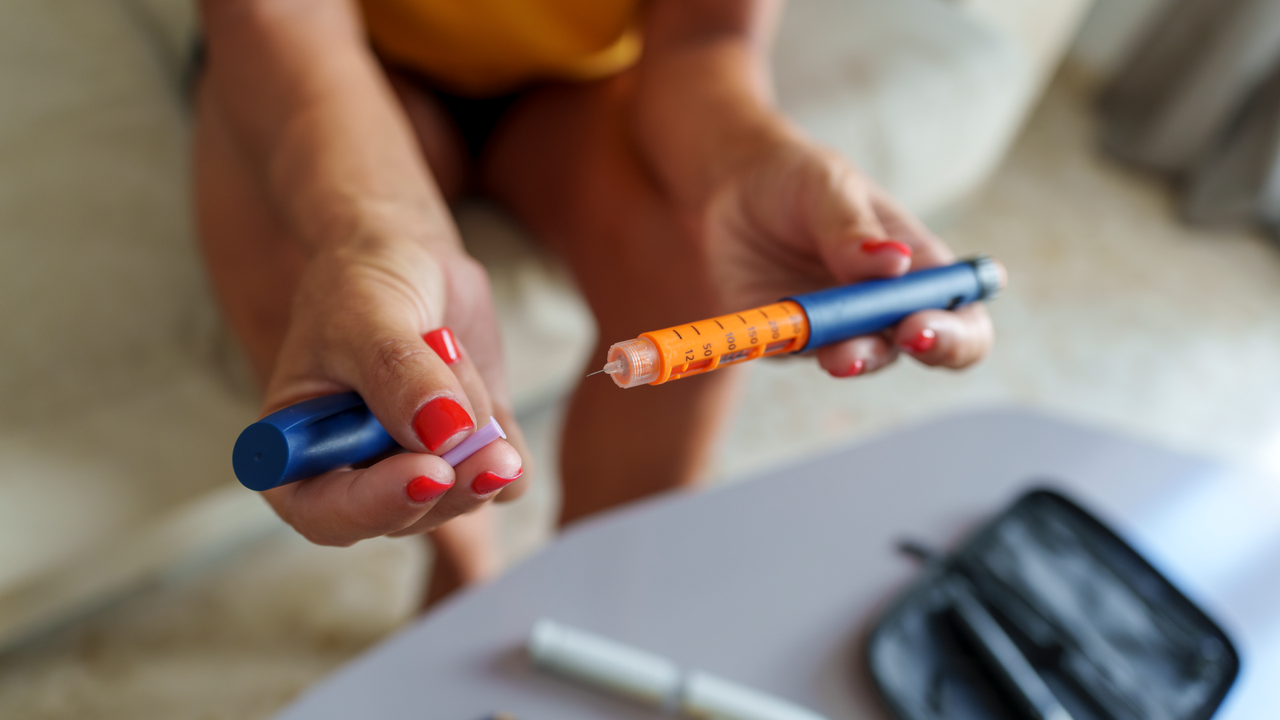
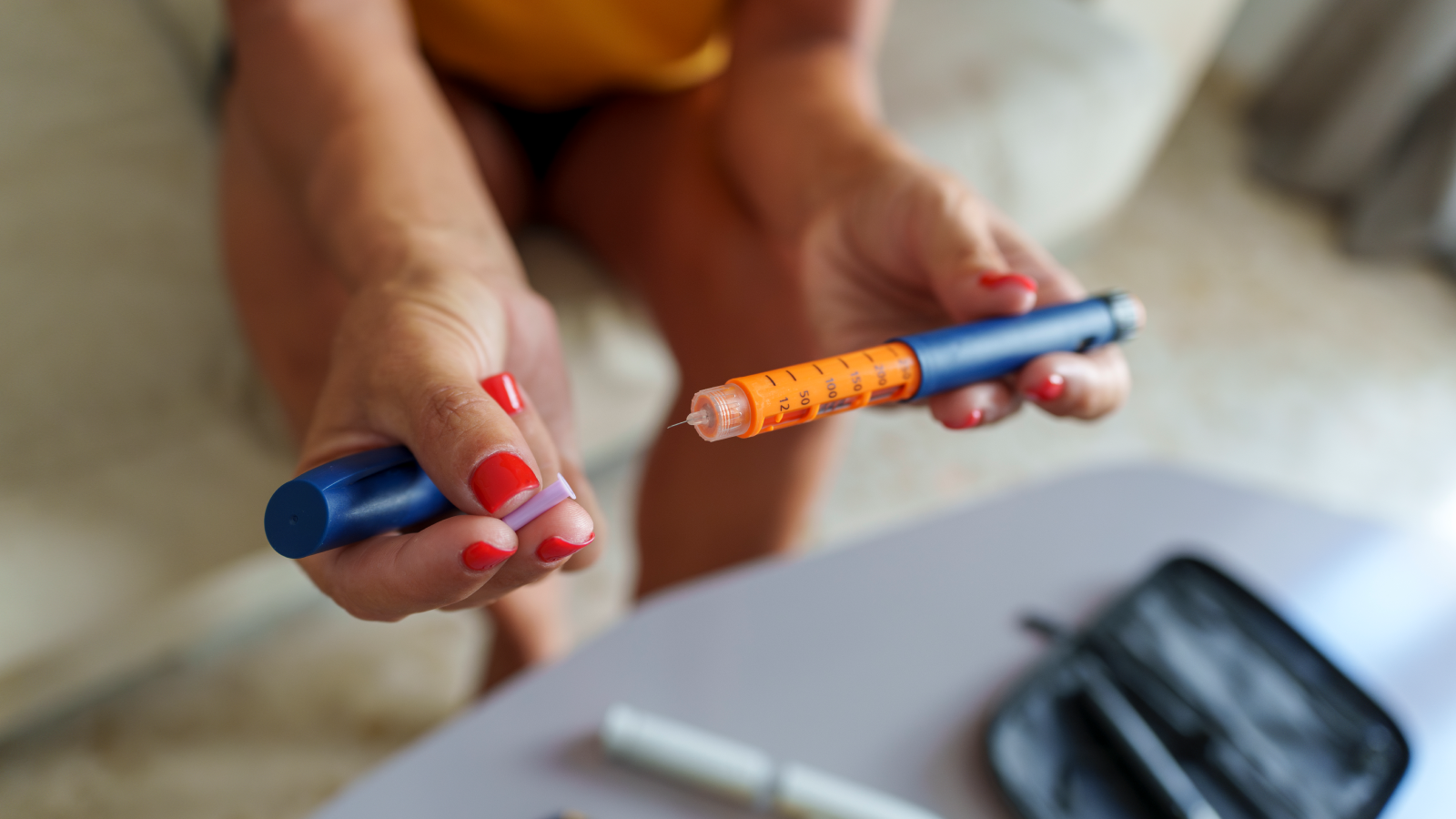 People who develop type 1 diabetes need to inject insulin to stay alive. But a new trial suggests a cheap transplant drug could delay the progression of the disease.
(Image credit: Javier Zayas Photography/Getty Images)
People who develop type 1 diabetes need to inject insulin to stay alive. But a new trial suggests a cheap transplant drug could delay the progression of the disease.
(Image credit: Javier Zayas Photography/Getty Images)
- Copy link
- X
Get the world’s most fascinating discoveries delivered straight to your inbox.
Become a Member in Seconds
Unlock instant access to exclusive member features.
Contact me with news and offers from other Future brands Receive email from us on behalf of our trusted partners or sponsors By submitting your information you agree to the Terms & Conditions and Privacy Policy and are aged 16 or over.You are now subscribed
Your newsletter sign-up was successful
Want to add more newsletters?

Delivered Daily
Daily Newsletter
Sign up for the latest discoveries, groundbreaking research and fascinating breakthroughs that impact you and the wider world direct to your inbox.
Signup +
Once a week
Life's Little Mysteries
Feed your curiosity with an exclusive mystery every week, solved with science and delivered direct to your inbox before it's seen anywhere else.
Signup +
Once a week
How It Works
Sign up to our free science & technology newsletter for your weekly fix of fascinating articles, quick quizzes, amazing images, and more
Signup +
Delivered daily
Space.com Newsletter
Breaking space news, the latest updates on rocket launches, skywatching events and more!
Signup +
Once a month
Watch This Space
Sign up to our monthly entertainment newsletter to keep up with all our coverage of the latest sci-fi and space movies, tv shows, games and books.
Signup +
Once a week
Night Sky This Week
Discover this week's must-see night sky events, moon phases, and stunning astrophotos. Sign up for our skywatching newsletter and explore the universe with us!
Signup +Join the club
Get full access to premium articles, exclusive features and a growing list of member rewards.
Explore An account already exists for this email address, please log in. Subscribe to our newsletterAn inexpensive drug that's been used for decades in transplant surgeries can delay the progression of type 1 diabetes in those newly diagnosed, new research suggests.
In previous studies, a high dose of the immune-suppressing drug polyclonal antithymocyte globulin (ATG) reduced the loss of insulin-making cells in the pancreas, called beta cells. The new study shows that a much smaller dose is almost as effective at slowing disease progression in type 1 — but with fewer side effects.
You may like-
 Scientists cured type 1 diabetes in mice by creating a blended immune system
-
 Needle-free insulin? Scientists invent gel that delivers insulin through the skin in animal studies
-
 Groundbreaking new drug shows promise for treating children with a devastating form of epilepsy
But there's a window of time soon after diagnosis, called the "honeymoon phase," in which beta cells still produce some insulin; this provides an opportunity to keep those remaining beta cells alive longer. A longer honeymoon phase and more residual beta cell function are tied to reduced risk of diabetes complications, such as heart and kidney disease, down the line.
It's this honeymoon phase that the new study was targeting. The study included 117 participants, who were between the ages of 5 and 25 and had been diagnosed with type 1 diabetes within nine weeks of starting the trial. The participants received either a high, intermediate or low dose of ATG: the high dose was equivalent to 2.5 milligrams of ATG per kilogram of body weight; the intermediate dose was 1.5 mg/kg; and the low dose was 0.5 mg/kg of body weight.
The researchers found that the lowest dose preserved beta cell functioning for a year, according to the paper published Sept. 27 in the journal The Lancet.
The trial was designed to help researchers analyze the lowest effective dose in children as young as 5 years old, lead study author Dr. Chantal Mathieu, endocrinologist at the University Hospital Gasthuisberg Leuven in Belgium, told Live Science. That's because the drug's side effects — such as harmful immune reactions — can be especially hard on them, she said.
Sign up for the Live Science daily newsletter nowContact me with news and offers from other Future brandsReceive email from us on behalf of our trusted partners or sponsorsBy submitting your information you agree to the Terms & Conditions and Privacy Policy and are aged 16 or over.
"The ATG worked wonderfully," she said. The beneficial effect "was the biggest in the smallest children."
This was the third study to confirm the effectiveness of ATG to delay beta cell loss, Mathieu added.
Notably, when researchers reviewed the data, they found a similar level of side effects in the intermediate- and high-dose groups, so they dropped the intermediate dose from further study. The biggest difference between the remaining high- and low-dose groups was the incidence of side effects. One of the most common ATG side effects is serum sickness, an immune reaction to foreign proteins that can be triggered by drugs made in the cells of other animals. (ATG is produced in the cells of rabbits and horses.) In the new study, serum sickness impacted 82% of the participants in the high-dose group and just 32% in the low-dose group.
What to read next-
 New triple-drug treatment stops pancreatic cancer in its tracks, a mouse study finds
-
 Single protein could dramatically alter trajectory of Alzheimer's disease
-
 Viruses in the gut may help prevent blood sugar spikes, mouse study hints
Meanwhile, in the low-dose group, 24% had cytokine release syndrome, a runaway inflammatory response that can include fever, nausea, fatigue, headache, and muscle and joint pain. About 33% of the participants who received the higher dose developed the syndrome.
"I think the reason this is somewhat promising is that it's now one of a handful of drugs that show you can delay type 1 diabetes somewhat," Mathieu said. Another benefit of ATG, Mathieu said, is that it's inexpensive and widely available.
Other medications that have been found to delay diabetes are teplizumab-mzwv (brand name Tzield) and baricitinib (Olumiant). Tzield is given as a 14-day infusion, but it's only approved for use in "stage 2" diabetes — at which point the body has been making antibodies to insulin and has some abnormal blood sugar responses, but most of its insulin-making cells are still working. Few people are diagnosed with diabetes in this early stage, which limits the drug's reach.
Meanwhile, baricitinib — a rheumatoid arthritis drug that hasn't yet been tested in children with diabetes — must be taken continuously to prevent disease progression.
Good news for young children
Dr. Jennifer Sherr, an endocrinologist and professor of pediatrics at Yale School of Medicine, who was not involved in the study, said the results were encouraging, especially for families who would find it extremely challenging to take off from work for their child to receive two days of infusions. In the study, those in the low-dose group received an infusion on the first day and a placebo on the second day, but the placebo day wouldn't be necessary if the drug were given outside a clinical trial, she noted.
Sherr also liked that the study included 5- to 11-year-olds. "Those are the kids who lose their beta cells so fast" after diagnosis, Sherr told Live Science. "Their insulin needs go up incredibly."
Sherr hopes that this less-expensive medication could ultimately be approved for use in diabetes to help give "kids a smoother ride," she said.
As for whether ATG is better than other alternatives demonstrated to delay progression, "many people think it's going to take a multi-agent approach," she said. In other words, to really stop T1D in its tracks, people would likely need to get multiple drugs, Sherr said.
It's premature to say one treatment is better than another. "I think what gives us hope for the future is [that] there are lots of things we can consider," Sherr said.
And in a clinical trial set to begin late this year or early next year, researchers will test a next-generation version of ATG made in genetically modified cows in people newly diagnosed with type 1 diabetes.
RELATED STORIES—We may finally understand how metformin lowers blood sugar, animal study finds
—In a 1st, scientists reversed type 1 diabetes by reprogramming a person's own fat cells
—Scientists identify new 'type 5' diabetes
The new drug, made by SAB BIO and called SAB-142, is grown in a cow that has been gene edited to produce human antibodies, said lead researcher Dr. Michael Haller, chief of pediatric endocrinology at the University of Florida's Diabetes Institute and advisory board member for SAB BIO. . "The cow can then donate blood," from which the human antibodies are harvested, Haller told Live Science in an email.
The hope is that, because the antibodies are made using human genes, they will no longer trigger serum sickness in patients. The human antibodies are also less likely to cause the immune system to produce antibodies that block the drug's action, so in theory, Haller said, "the new drug may be safer and even more effective in type 1 diabetes."
Editor's note: Haller holds stock options in SAB BIO, in addition to being an advisory board member.
DisclaimerThis article is for informational purposes only and is not meant to offer medical advice.
 Theresa Sullivan BargerLive Science Contributor
Theresa Sullivan Barger is an award-winning freelance journalist who covers health, science, and the environment. Her stories have appeared in The New York Times, The Boston Globe, Los Angeles Times, AARP, CURE, Discover, Family Circle, Health Central, Next Avenue, IEEE Spectrum, Connecticut Magazine, CT Health Investigative Team, and more. Based in central Connecticut, she is an advanced master gardener who is passionate about gardening for wildlife, especially pollinators and songbirds.
View MoreYou must confirm your public display name before commenting
Please logout and then login again, you will then be prompted to enter your display name.
Logout Read more
Health
Scientists cured type 1 diabetes in mice by creating a blended immune system
Medicine & Drugs
Needle-free insulin? Scientists invent gel that delivers insulin through the skin in animal studies
Health
Groundbreaking new drug shows promise for treating children with a devastating form of epilepsy
Cancer
New triple-drug treatment stops pancreatic cancer in its tracks, a mouse study finds
Alzheimers & Dementia
Single protein could dramatically alter trajectory of Alzheimer's disease
Immune System
Viruses in the gut may help prevent blood sugar spikes, mouse study hints
Latest in Health
 Anatomy
Scientists mapped all the nerves of the clitoris for the first time
Health
Scientists cured type 1 diabetes in mice by creating a blended immune system
Anatomy
Scientists mapped all the nerves of the clitoris for the first time
Health
Scientists cured type 1 diabetes in mice by creating a blended immune system
 Medicine & Drugs
Scientists have discovered an 'Achilles' heel' in deadly superbugs
Medicine & Drugs
Scientists have discovered an 'Achilles' heel' in deadly superbugs
 Medicine & Drugs
Pig semen component could deliver chemotherapy to hard-to-reach eye cancer, mouse study suggests
Medicine & Drugs
Pig semen component could deliver chemotherapy to hard-to-reach eye cancer, mouse study suggests
 Genetics
Are allergies genetic?
Genetics
Are allergies genetic?
 Food & Drink
A gut microbe linked to the Mediterranean diet boosts muscle strength in mice
Latest in News
Food & Drink
A gut microbe linked to the Mediterranean diet boosts muscle strength in mice
Latest in News
 Space Exploration
'Trust us; you look amazing': Artemis II crewmembers share first message from space
Space Exploration
'Trust us; you look amazing': Artemis II crewmembers share first message from space
 Space
Science news this week: Artemis II lifts off, diabetes cured in mice, and smog in China shapes Arctic storms
Anatomy
Scientists mapped all the nerves of the clitoris for the first time
Space
Science news this week: Artemis II lifts off, diabetes cured in mice, and smog in China shapes Arctic storms
Anatomy
Scientists mapped all the nerves of the clitoris for the first time
 Space Exploration
Artemis II officially leaves Earth's orbit on the way to the moon
Space Exploration
Artemis II officially leaves Earth's orbit on the way to the moon
 Physics & Mathematics
New tweak to Einstein's relativity could transform our understanding of the Big Bang
Physics & Mathematics
New tweak to Einstein's relativity could transform our understanding of the Big Bang
 Space Exploration
In photos: Artemis II's historic launch for the moon
LATEST ARTICLES
Space Exploration
In photos: Artemis II's historic launch for the moon
LATEST ARTICLES 1Octopus quiz: Are you a sucker for cephalopod science?
 - 2Science news this week: Artemis II lifts off, diabetes cured in mice, and smog in China shapes Arctic storms
- 3I've witnessed nearly 100 rocket launches. Artemis II was like nothing I've ever experienced.
- 4Are allergies genetic?
- 5'Trust us; you look amazing': Artemis II crewmembers share first message from space